
DISRUPTIVE / INNOVATION / RETROSPECTIVE
FILE Nº 020
Innovation · Retrospective
The Paris Agreement at Ten: A Decade of the World’s Climate Constitution
Adopted in December 2015, in force since November 2016, the Paris Agreement rebuilt global climate diplomacy around pledges instead of punishments. Ten years on, the design is the story.
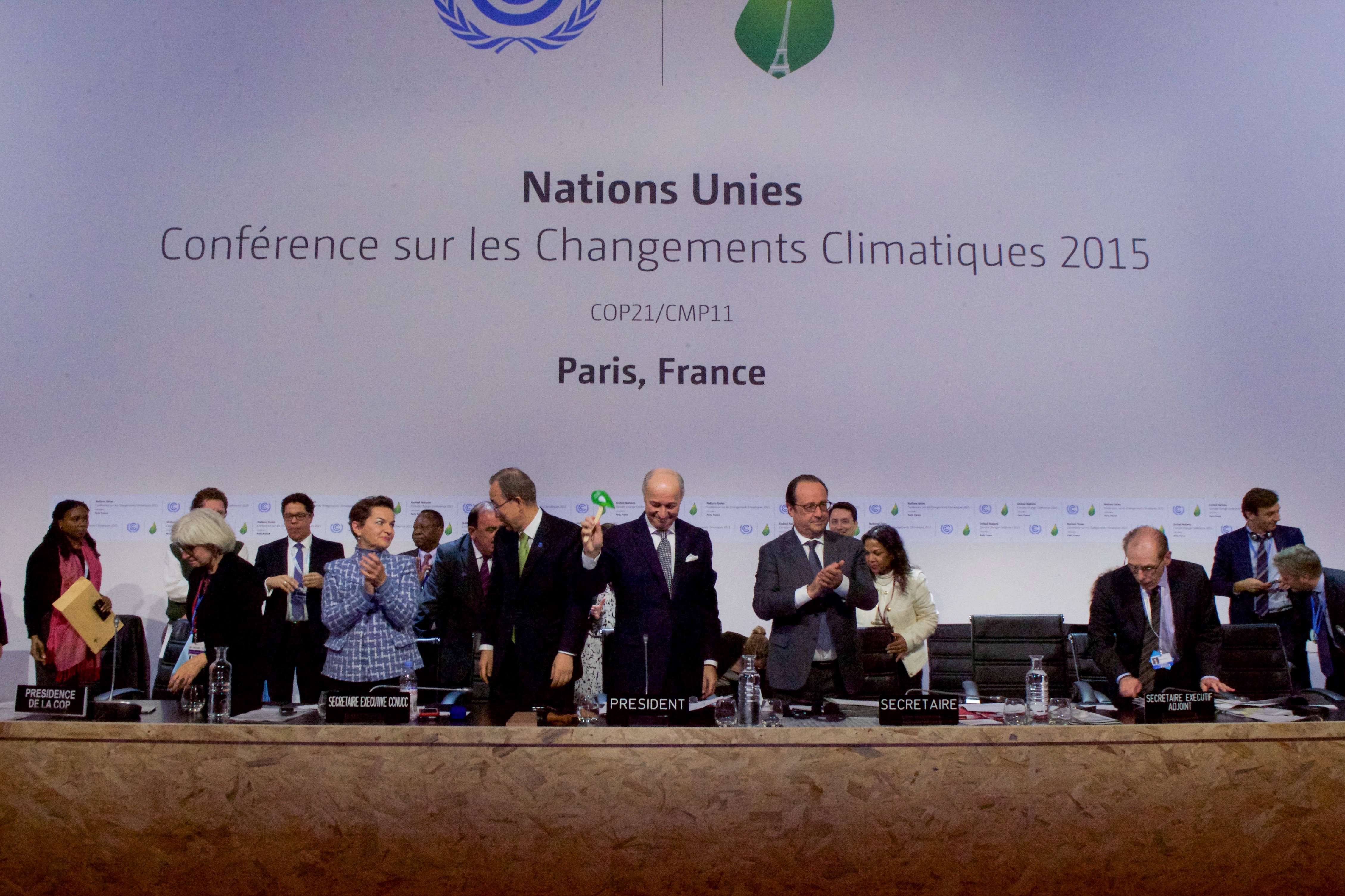
Ten years ago, the world’s climate diplomacy changed its operating system. The Paris Agreement — adopted on December 12, 2015, at the COP21 conference in Paris — entered into force on November 4, 2016, thirty days after the threshold of 55 parties representing at least 55 percent of global greenhouse-gas emissions was crossed. It was the first worldwide, legally binding climate agreement, and it worked nothing like its predecessor.
The Kyoto Protocol had divided the world into developed countries with binding targets and developing countries without them — a split that eventually broke the system. Paris replaced division with a common framework: every party submits its own climate action plan, a nationally determined contribution, and the agreement runs on a five-year cycle of increasingly ambitious pledges, transparent reporting, and a global stocktake of collective progress. The long-term goal: hold warming well below 2°C above pre-industrial levels, and aim for 1.5°C.
The design innovation
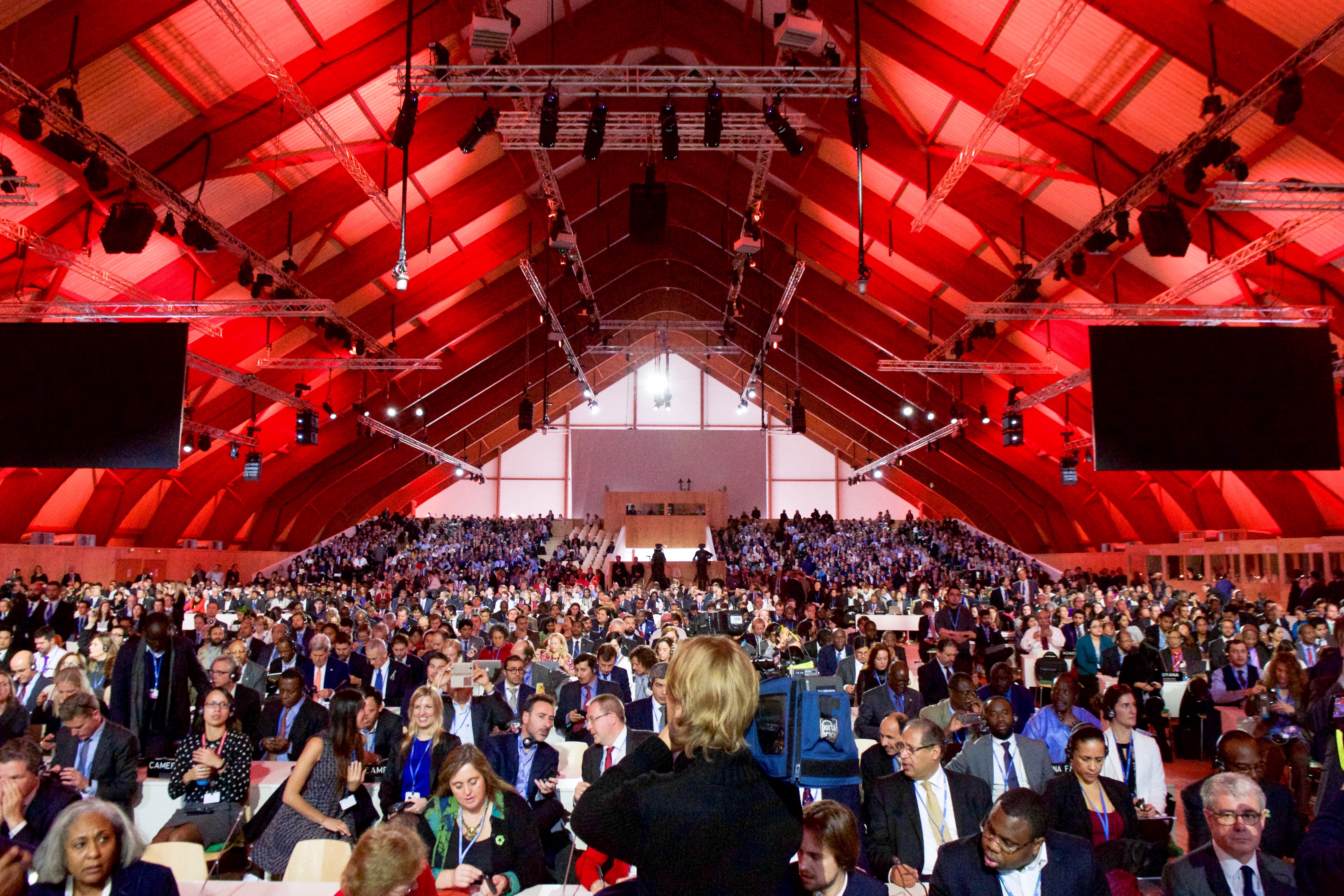
Paris’s genius was political, not scientific. By making commitments nationally determined rather than centrally imposed, it got 196 parties to sign the same document — something no top-down treaty had managed. The binding parts are procedural: submit a plan, report honestly, come back in five years with a better one. The substance is voluntary, and the bet was that transparency plus peer pressure plus falling clean-energy costs would do what enforcement never could.
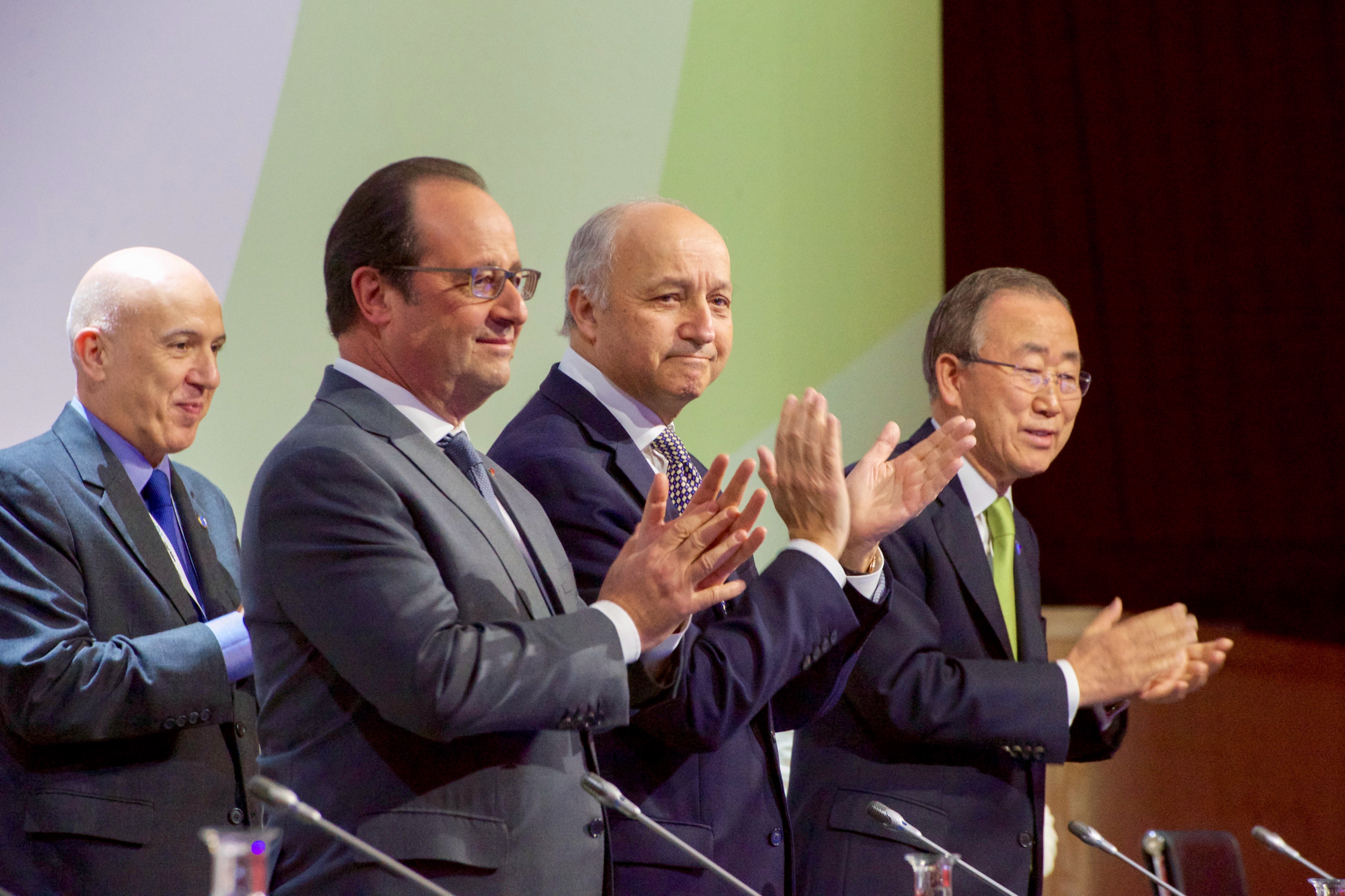
The framework also widened the brief beyond emissions: adaptation, finance for developing countries, and cooperation on loss and damage all sit inside the agreement’s architecture. Climate policy stopped being only about smokestacks and became about systems — exactly the territory this magazine’s energy desk covers.
Ten years on
A decade in, the honest assessment is mixed by design — and that is the point the anniversary demands. The mechanism runs: pledges are submitted, stocktakes happen, the ratchet turns. Whether the sum of national plans meets the temperature goal is the open question the agreement was built to keep asking, every five years, in public. Paris didn’t solve climate change. It built the first global institution capable of admitting — on a schedule — whether the world is solving it. Ten years on, that institution is still standing. In climate diplomacy, that counts as an achievement.
Keep reading
More from the filing cabinet.
Business · Retrospective · North America · United States
AWS at Twenty: The Accidental Cloud That Ate the Industry
On March 14, 2006, Amazon launched a storage service. Nobody called it a revolution. Twenty years later, it is the infrastructure the internet runs on.
Technology · News · Asia · Japan
Rapidus Builds Its 2nm Alliance: Seventeen Partners, One Missing Piece
Japan’s $15 billion chipmaker unveiled a 17-company design ecosystem this week. The partners are real. The customers are still the question.
Technology · News · North America · New York
GlobalFoundries Will Build TSMC's CoWoS Interposers in New York
A $2 billion agreement puts GlobalFoundries' Malta fab inside the AI supply chain's tightest bottleneck: the silicon interposers that stitch GPUs to memory in TSMC's CoWoS packages.