
DISRUPTIVE / TECHNOLOGY / NEWS
FILE Nº 023
Technology · News
Rapidus Builds Its 2nm Alliance: Seventeen Partners, One Missing Piece
Japan’s $15 billion chipmaker unveiled a 17-company design ecosystem this week. The partners are real. The customers are still the question.
On October 5, Japan’s state-backed chipmaker Rapidus announced “Rapidus CORE” — the Collaborative Open Rapid Ecosystem — a global framework to support the design and mass production of leading-edge semiconductors. As its first step, the company named 17 Design Solution Associates from Japan and overseas, including U.S. chip-design software firms Cadence and Synopsys, Japan’s DNP, TOPPAN, Toshiba Information Systems, NSW and Mavis Design, and India’s Infosys, HCLTech, Wipro, and MosChip, alongside Malaysia’s SkyeChip and Oppstar.

The logic is sound. At the 2-nanometer generation, a foundry cannot simply take a customer’s files and manufacture them: design software, IP, verification, masks, and manufacturing must be tied together, and design talent is the binding constraint for any company attempting its own advanced chips. The associate firms sit between prospective customers and Rapidus, supplying design resources so clients can start early and stay supported from first layout to final wafer.
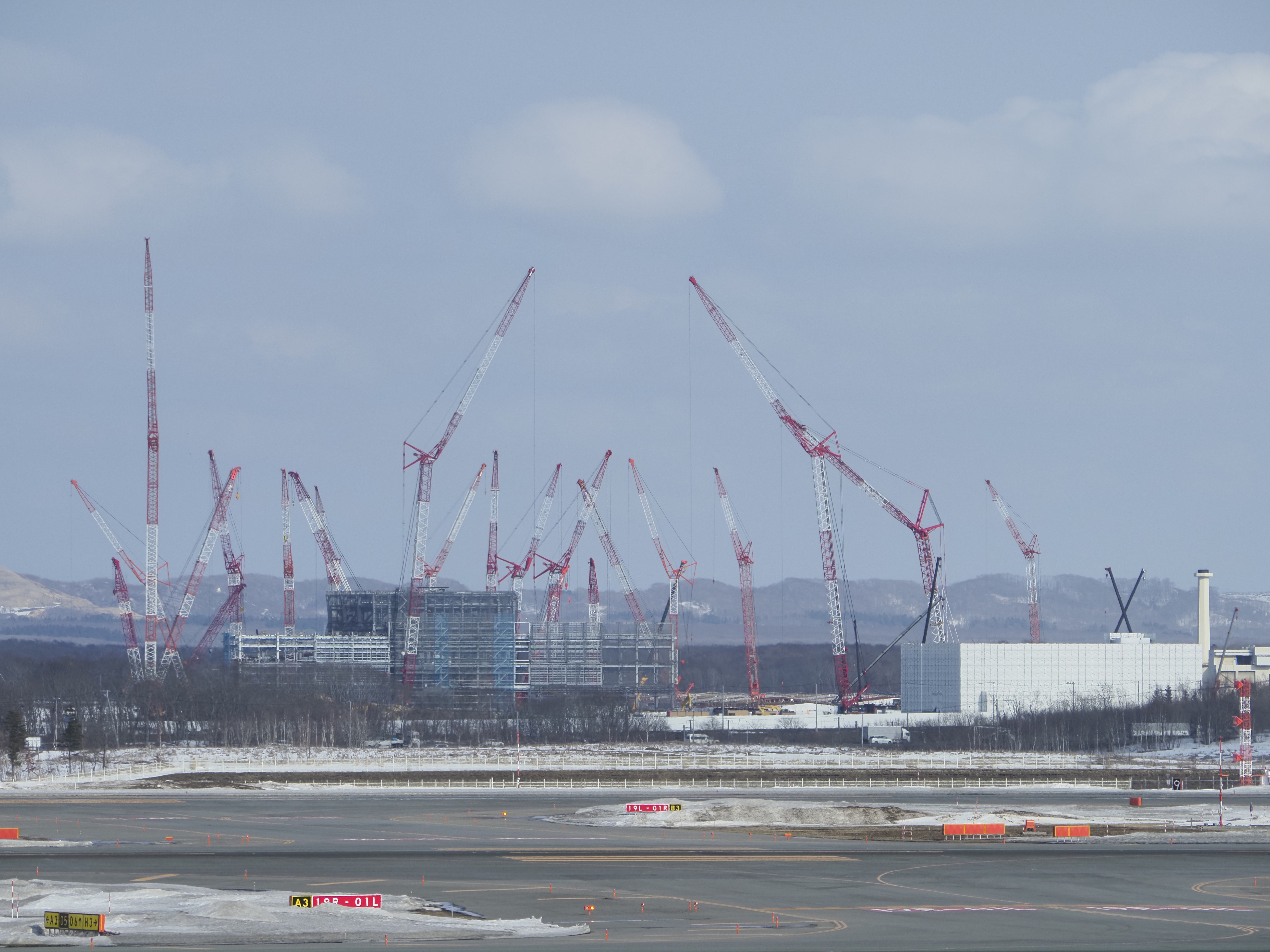
The context is Japan’s $15 billion bet on rebuilding a chip industry whose global market share has fallen from roughly half in the 1980s to under ten percent today. Rapidus, founded in 2022, is developing 2nm-generation chips at its IIM plant in Chitose, Hokkaido, in collaboration with IBM, and aims to begin mass production in the second half of fiscal 2027 — a project Prime Minister Sanae Takaichi’s government is counting on.
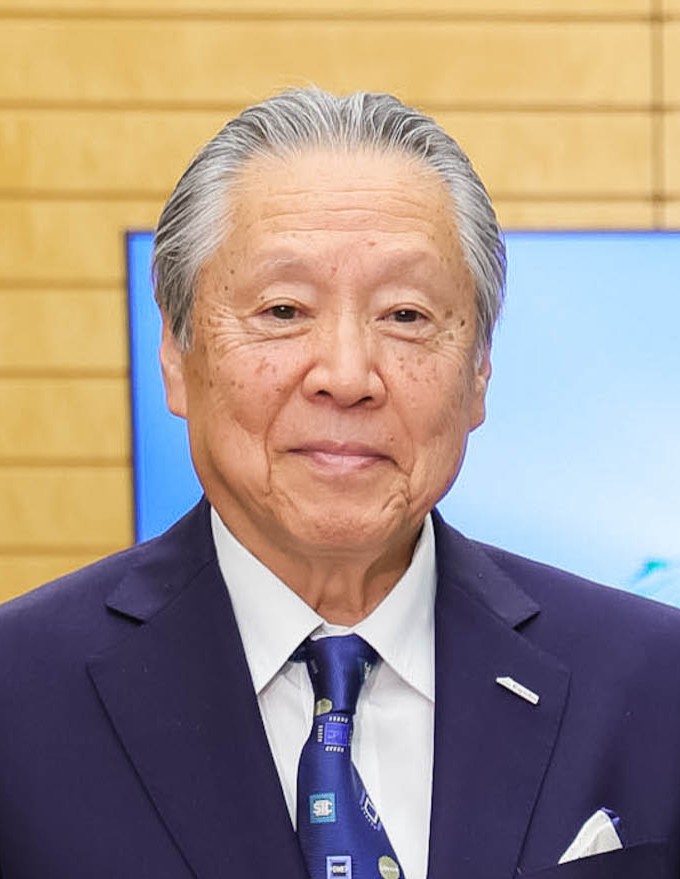
The honest question hangs over the announcement. As White Oak Capital investment director Nori Chiou put it: “The biggest question for Rapidus is still who will actually fill the fab.” Design partners are not wafer orders, and the 2nm club is brutally exclusive — TSMC, Samsung, which began producing 2nm chips last year, and Intel. An ecosystem is enabling infrastructure. It is not, yet, evidence of commercial traction.
Keep reading
More from the filing cabinet.
Business · News · North America · Massachusetts
Fusion's Supply Chain Just Got Real: CFS Orders 10,000 Kilometres of Superconducting Tape
Commonwealth Fusion Systems has placed the largest single purchase order of high-temperature superconducting tape on record — 10,000 km of it, from Japan's Fujikura, for its ARC power plants.
Business · News · North America · Texas
Joby Is Flying Into DFW Now — and Its Certification Aircraft Is Already in the Air
Texas has kicked off the first White House-backed eVTOL pilot program flights, while Joby's first FAA-conforming aircraft begins the flight testing that leads to certification.
Business · News · North America · Ohio
Anduril's Ohio Mega-Factory Started Building Combat Drones Four Months Early
Arsenal-1, a five-million-square-foot bet on software-age weapons manufacturing, began Fury drone production in March — ahead of schedule, with almost no robots on the floor.