
DISRUPTIVE / BUSINESS / NEWS
FILE Nº 025
Business · News
Fusion's Supply Chain Just Got Real: CFS Orders 10,000 Kilometres of Superconducting Tape
Commonwealth Fusion Systems has placed the largest single purchase order of high-temperature superconducting tape on record — 10,000 km of it, from Japan's Fujikura, for its ARC power plants.
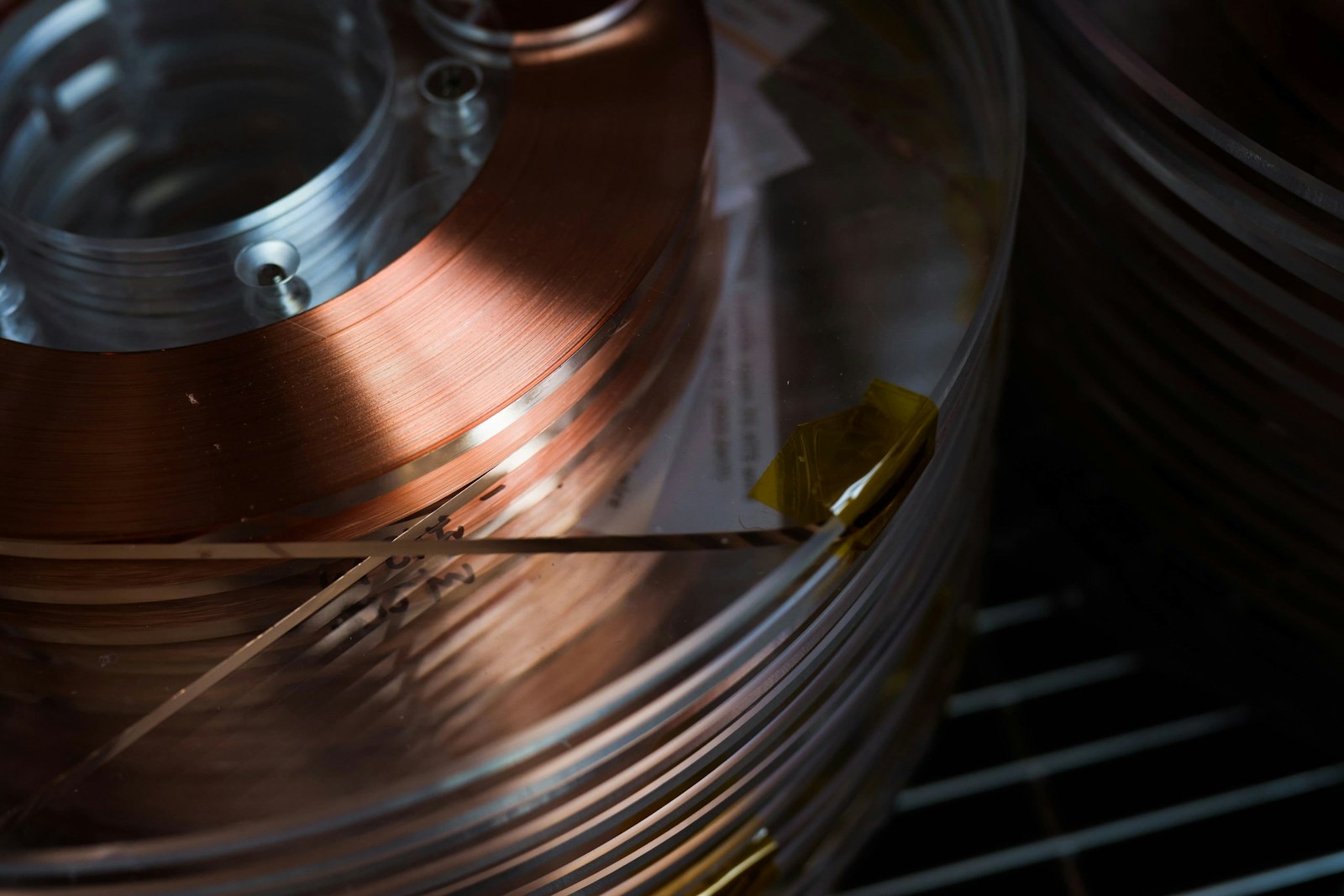
Commonwealth Fusion Systems has agreed to buy more than 10,000 kilometres of high-temperature superconducting (HTS) tape from Fujikura Ltd. — the largest single purchase order of its kind, announced September 30 — as the Massachusetts company builds the supply chain for its ARC fusion power plants.
HTS tape is the material that makes CFS's machines possible. Wound into magnets, it carries enormous currents with zero resistance, generating the fields that confine SPARC's plasma. The tape ordered under the agreement is destined for the ARC plants, starting with the first grid-scale plant being developed at the Fall Line Fusion Power Station in Chesterfield County, Virginia. As part of the long-term agreement, Fujikura is investing in expanding its own manufacturing capacity to deliver the tape at scale.
“This partnership with Fujikura demonstrates how we're actively placing orders and getting ready to execute our ARC power plant once our SPARC fusion machine achieves Q>1.”
— Bob Mumgaard, CEO and Co-founder of Commonwealth Fusion Systems
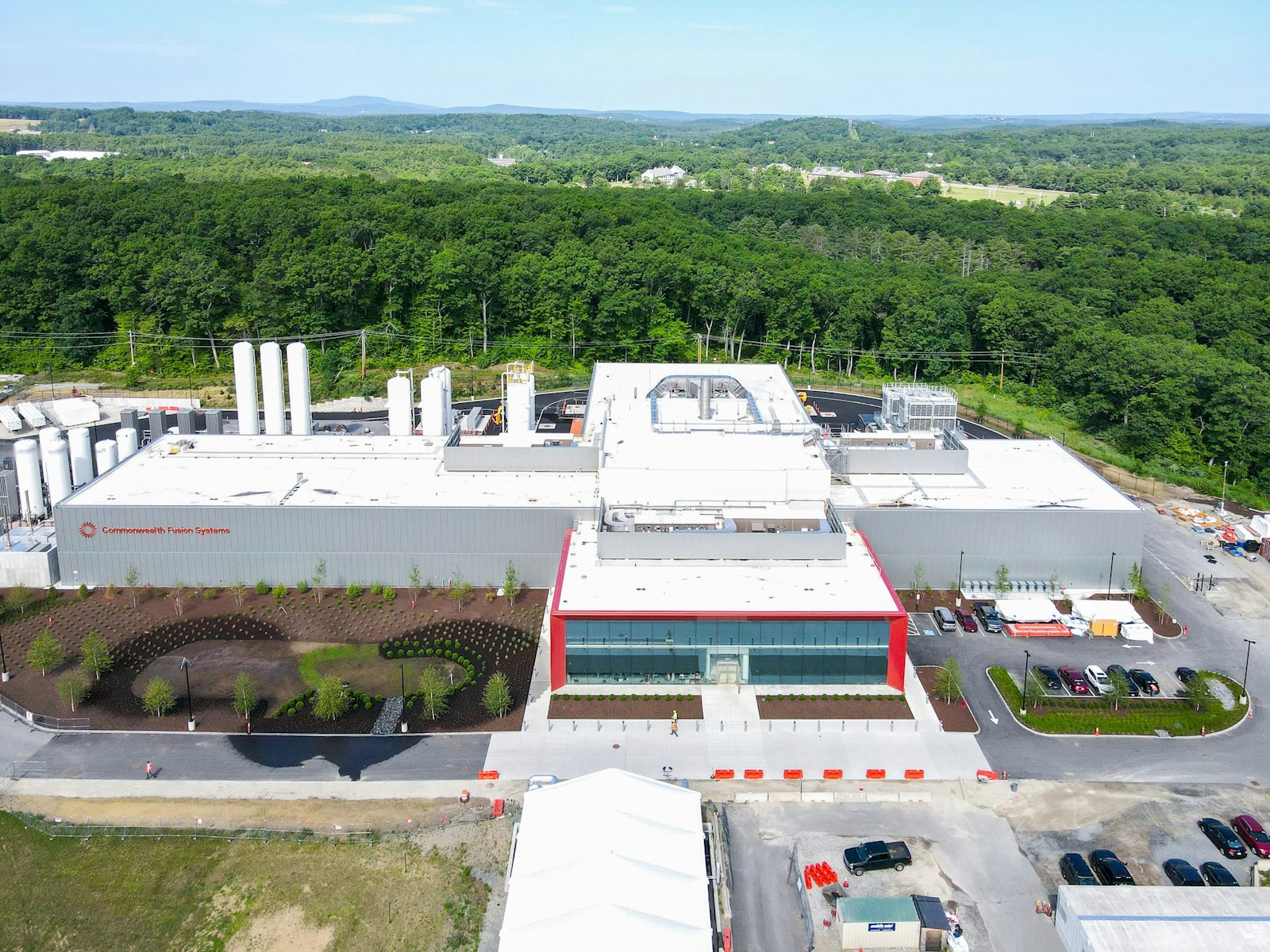
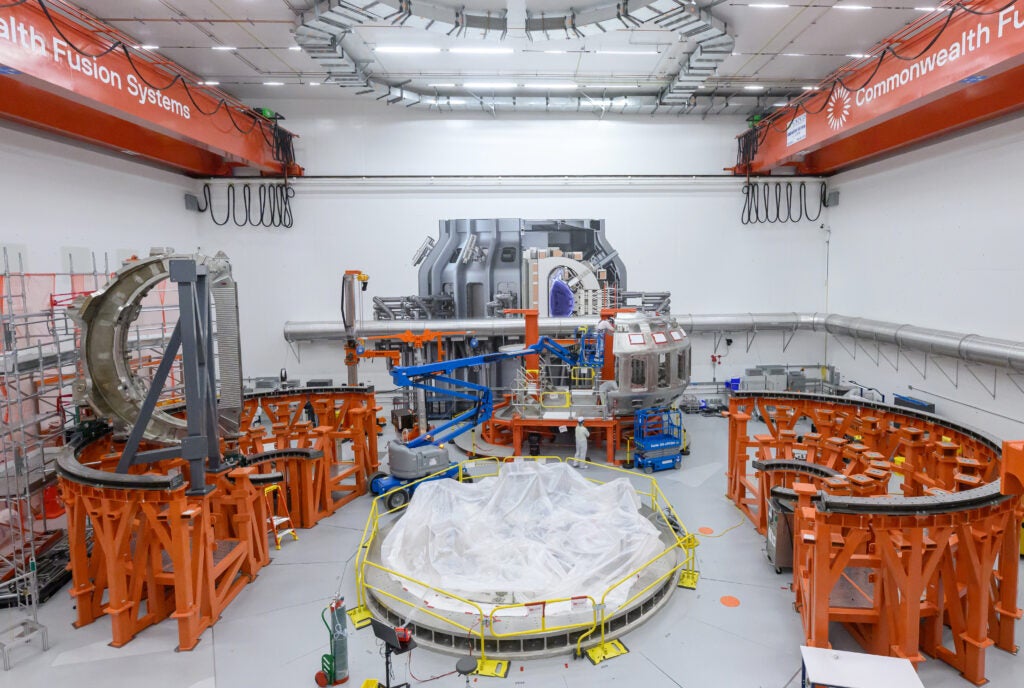
The sequence matters. SPARC, the demonstration machine under assembly in Devens, Massachusetts, is the proof; ARC is the product — a plant CFS has designed to deliver 400 megawatts of net electricity, with Google already signed to buy 200 megawatts of its output and Italy's Eni holding a power deal worth more than $1 billion. Ordering tape by the ten-thousand-kilometre lot is a company behaving as if the proof is a formality: purchasing departments, not press releases.
An industry measured in purchase orders
CFS has raised $4 billion in total capital, including another $1 billion round announced in July 2026 — more than any other private fusion company. The Fujikura order shows where the money goes: out the door, into a supplier's expanded factory in Japan, in exchange for the one material fusion cannot do without. It is also, as CFS notes, a step in U.S.–Japan industrial collaboration — the supply chain of a new energy industry being assembled before the industry itself has produced a single commercial electron.
That is the honest caveat, and it stands: SPARC has yet to demonstrate net energy. But the disruption lens cuts the other way. Industries become real when suppliers start investing against purchase orders rather than promises. By that measure, fusion crossed a line in September — not in a plasma chamber, but in a procurement contract.
Keep reading
More from the filing cabinet.
Business · News · North America · Ohio
Anduril's Ohio Mega-Factory Started Building Combat Drones Four Months Early
Arsenal-1, a five-million-square-foot bet on software-age weapons manufacturing, began Fury drone production in March — ahead of schedule, with almost no robots on the floor.
Business · News · North America · Washington
Helion Raised $500 Million to Put Fusion Power on the Grid by 2028
The Everett startup's Series G closed oversubscribed at $500 million, valuing Helion at $15.5 billion — capital pointed at a single promise: fusion electricity for Microsoft in 2028.
Innovation · Evergreen · Global · orbit
The Military System That Became the World's Clock: How GPS Ate Everything
Built to guide weapons, opened to civilians after a tragedy, unleashed by a single policy decision in May 2000 — GPS is now load-bearing infrastructure for nearly every industry on Earth.