
DISRUPTIVE / TECHNOLOGY / NEWS
FILE Nº 024
Technology · News
GlobalFoundries Will Build TSMC's CoWoS Interposers in New York
A $2 billion agreement puts GlobalFoundries' Malta fab inside the AI supply chain's tightest bottleneck: the silicon interposers that stitch GPUs to memory in TSMC's CoWoS packages.
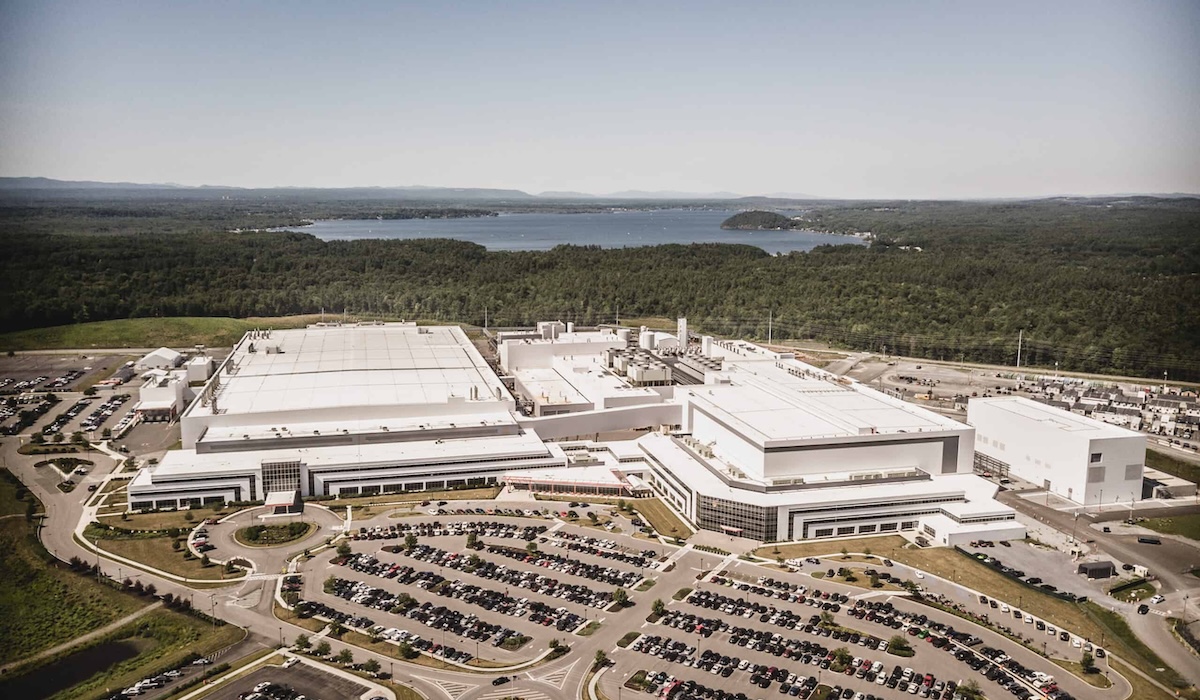
GlobalFoundries has signed a $2 billion manufacturing agreement with TSMC to produce silicon interposers for CoWoS advanced packaging in the United States — a deal, announced October 10, that inserts the Malta, New York chipmaker directly into the AI supply chain's most congested chokepoint.
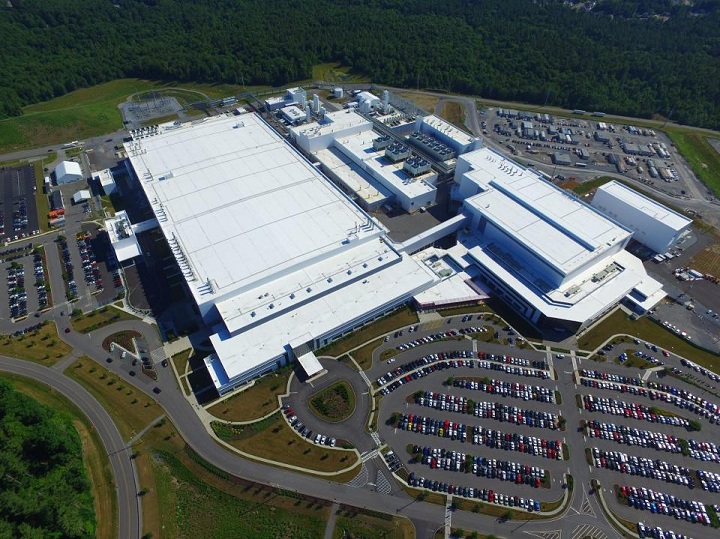
Under the agreement, GlobalFoundries will expand manufacturing capacity at its Malta facility — Fab 8, its flagship plant — to support TSMC's silicon interposer production. The initial agreement carries a five-year term, with volume production expected to ramp in the first half of 2028.
The part itself is unglamorous and indispensable. A silicon interposer is the wafer-thin wiring layer that sits beneath the chips in an advanced package, connecting GPUs and AI accelerators to high-bandwidth memory (HBM) with the density modern AI hardware demands. As demand for accelerators has surged, CoWoS packaging capacity — until now concentrated in Taiwan — has become one of the key bottlenecks in the entire AI semiconductor supply chain.
A second act, written in wiring
The deal is a striking second act for GlobalFoundries. The interposers do not require leading-edge logic: GlobalFoundries' existing interposer platform uses 65-nanometer technology, which lets the company join the AI supply chain at exactly the layer where its mature-node capacity is an asset — despite having exited leading-edge logic manufacturing years ago. The agreement will also support technologies such as deep trench capacitor integration, which improves power delivery inside advanced AI packages.
It also makes the two companies — usually cast as foundry rivals — into supply-chain partners: TSMC brings the package architecture and the customers; GlobalFoundries brings American fab capacity at a node it already runs at scale.
The packaging map is being redrawn onshore
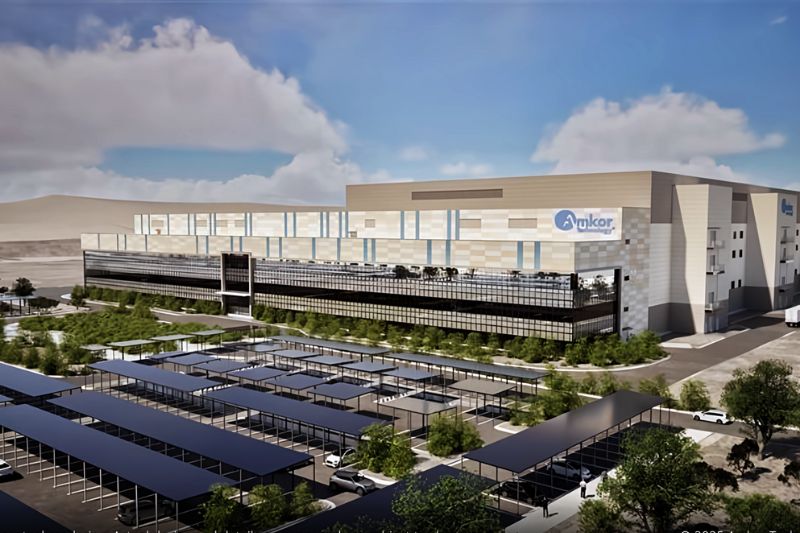
The agreement lands inside a broader build-out of domestic advanced packaging. Amkor's Arizona packaging facility is expected to begin operations around early 2028, and TSMC's own Arizona campus has started 4-nanometer production, with a 3-nanometer fab expected in the second half of 2027 and advanced packaging planned alongside it. Piece by piece, the steps that once required a chip to cross the Pacific are being replicated on American soil.
The disruption here is geographic as much as technical. Advanced packaging was the quiet dependency of the AI boom — a single-region bottleneck beneath the world's most strategic hardware. A $2 billion interposer deal in upstate New York is what it looks like when that dependency starts to unwind.
Keep reading
More from the filing cabinet.
Business · News · North America · Texas
Joby Is Flying Into DFW Now — and Its Certification Aircraft Is Already in the Air
Texas has kicked off the first White House-backed eVTOL pilot program flights, while Joby's first FAA-conforming aircraft begins the flight testing that leads to certification.
Business · News · North America · Ohio
Anduril's Ohio Mega-Factory Started Building Combat Drones Four Months Early
Arsenal-1, a five-million-square-foot bet on software-age weapons manufacturing, began Fury drone production in March — ahead of schedule, with almost no robots on the floor.
Business · News · North America · Washington
Helion Raised $500 Million to Put Fusion Power on the Grid by 2028
The Everett startup's Series G closed oversubscribed at $500 million, valuing Helion at $15.5 billion — capital pointed at a single promise: fusion electricity for Microsoft in 2028.