
DISRUPTIVE / DESIGN / RETROSPECTIVE
FILE Nº 017
Design · Retrospective
The iPod at Twenty-Five: The Object That Taught Apple Everything
On October 23, 2001, Steve Jobs promised “1,000 songs in your pocket.” The device wasn’t the first MP3 player. It was the first one that understood the system.

Twenty-five years ago this month, Apple was a struggling computer company with a colorful new iMac and an uncertain future. Then, on October 23, 2001, Steve Jobs walked onto a small stage at Apple’s Town Hall in Cupertino and held up the device that would teach the company everything it needed to become the most valuable company on earth.
The pitch was three words long: “1,000 songs in your pocket.” The first iPod packed a 5-gigabyte 1.8-inch hard drive into a case Jobs compared to a deck of cards, priced it at $399, and gave it a mechanical click wheel Apple called the easiest interface ever put on a digital device. It synced over FireWire, ran for ten hours on a charge, and — crucially — worked only with the Mac. “With iPod, listening to music will never be the same again,” Jobs said in the launch press release.
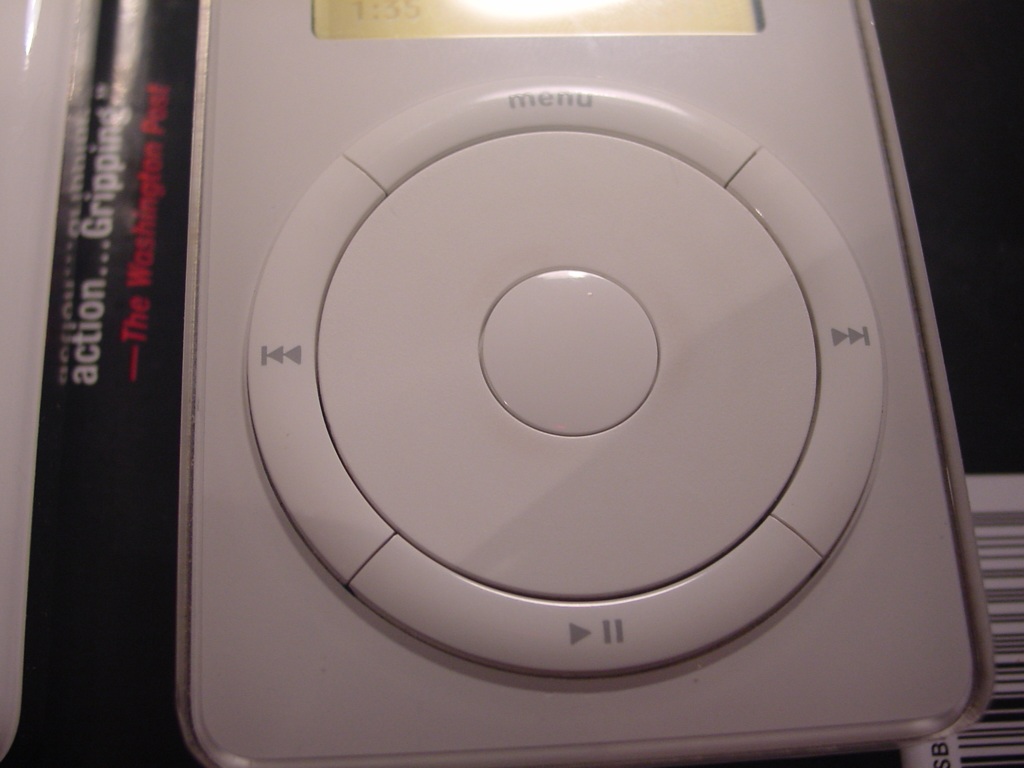
The iPod was not the first MP3 player. What it was, was the first complete system: hardware with an interface ordinary people could use, tethered to iTunes on the Mac, soon to be tethered to a store that made buying music as easy as stealing it. Apple understood what its competitors didn’t — that the device was the least important part of the product. The product was the loop: rip, sync, carry, buy, repeat.
The design lesson
The click wheel deserves its reputation. In an era of MP3 players with “unbelievably awful” interfaces, Apple bet that the way you moved through a thousand songs mattered more than the songs’ fidelity. The wheel let a thumb do what a stylus and a menu tree couldn’t: browse a library at speed, one-handed, eyes half elsewhere. It was industrial design as empathy — and it became the template for everything Apple made after, including the phone that would eventually eat the iPod itself.
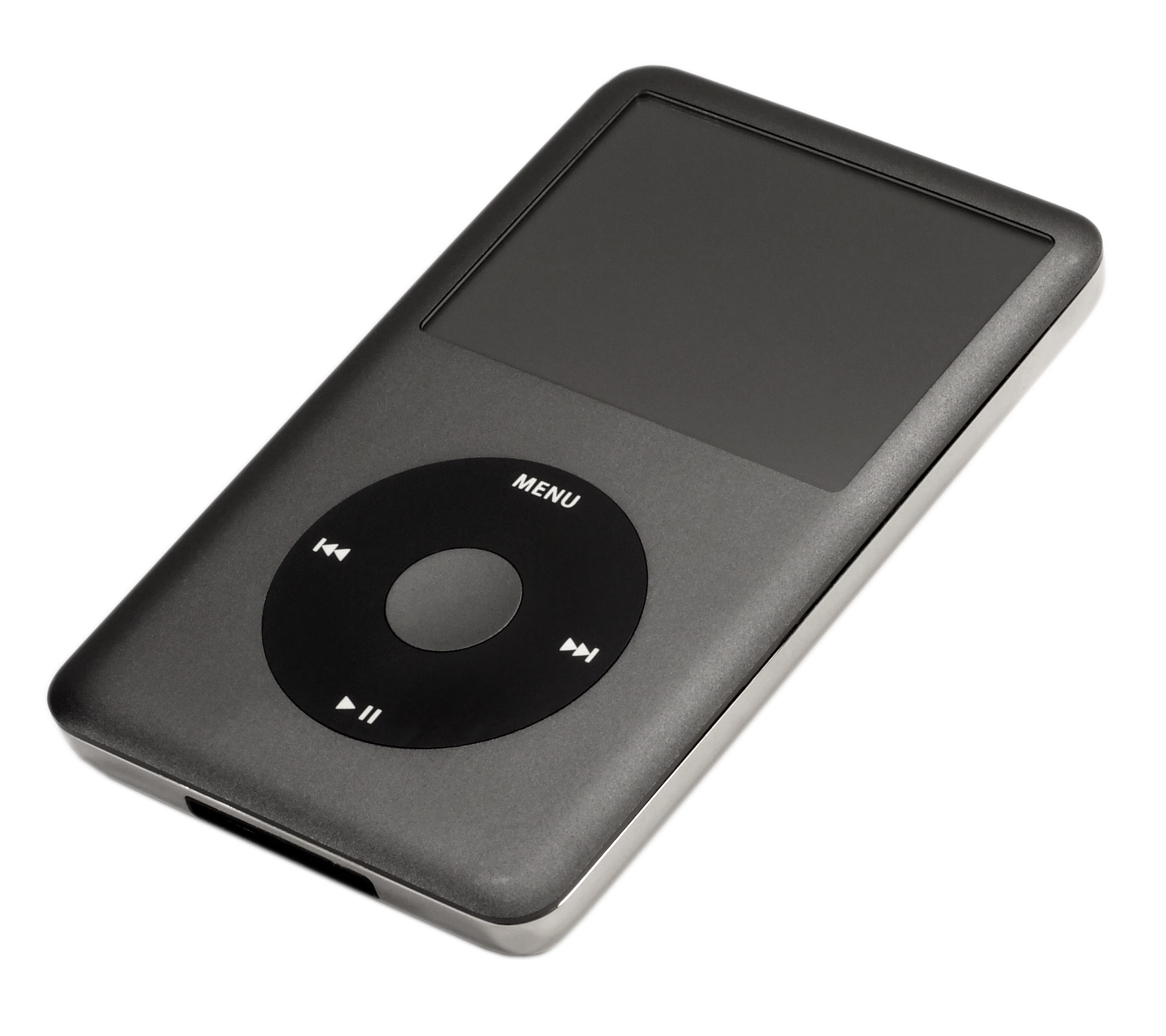
The line faded gracefully — the classic in 2014, the nano and shuffle in 2017 — but its lessons didn’t. Every Apple product since has been an iPod in disguise: a beautiful object that is really a doorway into a system. Twenty-five years on, the industry still builds devices. Apple still builds loops. The difference was visible on a small stage in Cupertino, in October 2001, in a white rectangle that held a thousand songs.
Keep reading
More from the filing cabinet.
Science · Retrospective · Asia · Seoul, South Korea
AlphaGo at Ten: The Match That Announced the AI Era
In March 2016, a computer beat the world’s best Go player 4–1 in Seoul. A decade later, the match reads less like a game than like a prologue.
Innovation · Retrospective · Europe · Paris, France
The Paris Agreement at Ten: A Decade of the World’s Climate Constitution
Adopted in December 2015, in force since November 2016, the Paris Agreement rebuilt global climate diplomacy around pledges instead of punishments. Ten years on, the design is the story.
Technology · Retrospective · North America · Hanover, New Hampshire
Seventy Years After Dartmouth: The Summer That Named Artificial Intelligence
In the summer of 1956, a handful of scientists met at Dartmouth College and gave a field its name. Seventy years later, the name is on everything — and the conjecture is still open.