
DISRUPTIVE / BUSINESS / RETROSPECTIVE
FILE Nº 022
Business · Retrospective
AWS at Twenty: The Accidental Cloud That Ate the Industry
On March 14, 2006, Amazon launched a storage service. Nobody called it a revolution. Twenty years later, it is the infrastructure the internet runs on.

Twenty years ago, Amazon was a bookstore that had survived the dot-com crash and built, almost by accident, one of the world’s great computing infrastructures. On March 14, 2006, it opened that infrastructure to the world: Amazon S3, the Simple Storage Service, launched in the United States — the first AWS infrastructure service generally available, letting any developer store and retrieve any amount of data, at any time, from anywhere on the web.
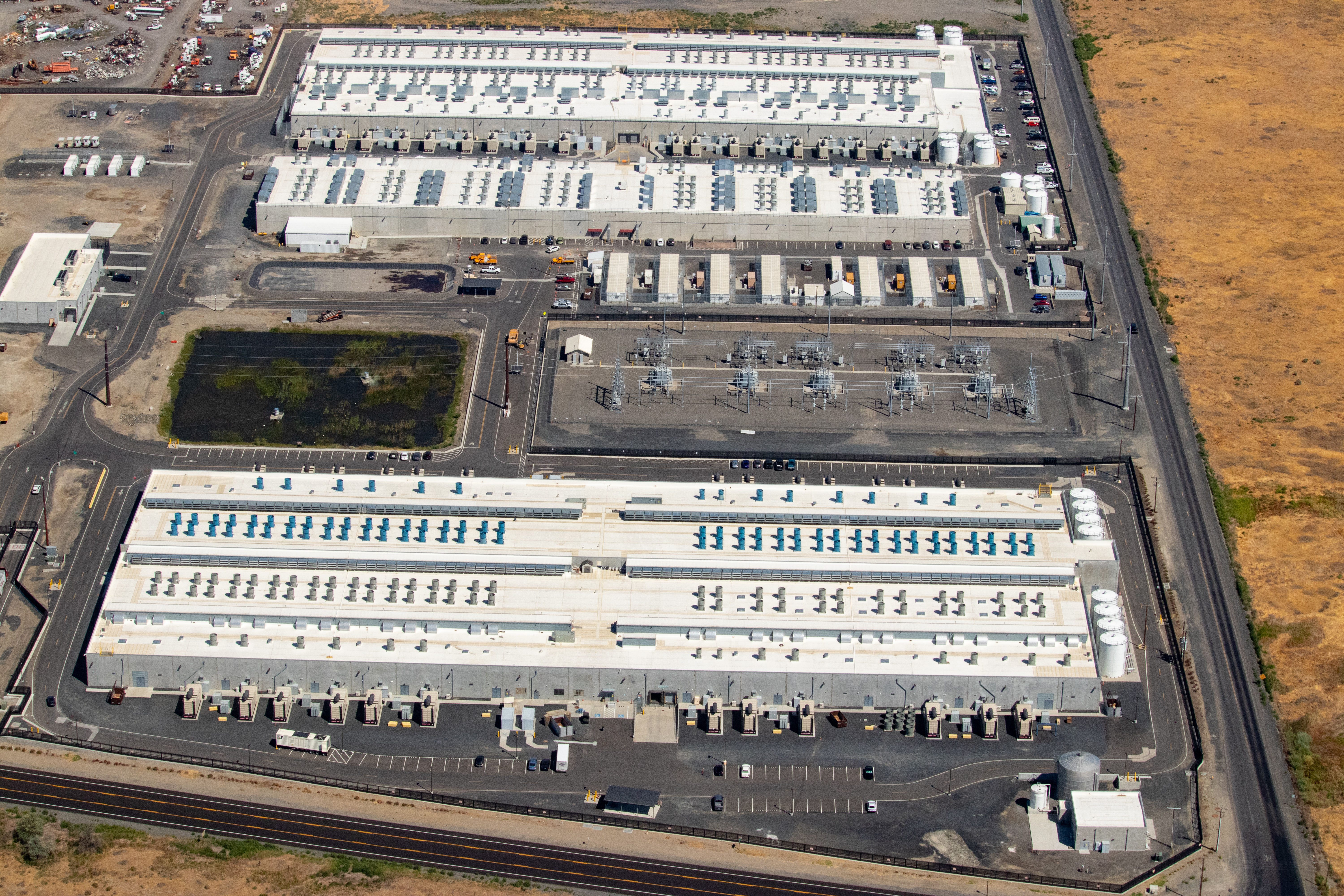
The idea had been circulating inside Amazon since 2003, when engineer Benjamin Black and his manager Chris Pinkham wrote a memo proposing the company sell access to virtual servers as a service — turning sunk infrastructure investment into revenue. S3 was the first product of that thinking; EC2, rented virtual computers at ten cents an hour, followed in August 2006. Early adopters proved the thesis fast: the photo startup SmugMug attributed around $400,000 in storage-cost savings to S3 within the year. As one history of the launch put it: “To many at Amazon, that day marked the birth of AWS.”

What Amazon had built, without quite intending to, was the utility model for computing. Before AWS, starting a technology company meant buying servers — capital expenditure, raised upfront, on hardware that would be obsolete in three years. After AWS, it meant renting capacity by the hour — an operating expense that scaled with the business. The cloud turned fixed costs variable, and in doing so, it lowered the cost of starting a company by orders of magnitude.
The disruption
The deepest disruption wasn’t technical; it was financial. AWS didn’t just sell storage and compute — it sold the removal of permission. A founder no longer needed to convince anyone to buy hardware before writing code. That single change is downstream of half the startup history of the last twenty years: the companies that scaled on AWS, the venture model that funded them, and the incumbents — IBM, HP, Oracle — who watched their enterprise businesses get rented out from under them by the hour.
Twenty years on
AWS is now the default answer to “where should this run?” — which makes it easy to forget how strange the idea once sounded. A retailer selling spare server capacity? In 2006, it read as a curiosity. In retrospect, it was the purest Schumpeterian move of the century: new infrastructure, new economics, old industry destroyed from within. The cloud didn’t just eat the server room. It ate the idea that computing was something you owned.
Keep reading
More from the filing cabinet.
Technology · News · North America · New York
GlobalFoundries Will Build TSMC's CoWoS Interposers in New York
A $2 billion agreement puts GlobalFoundries' Malta fab inside the AI supply chain's tightest bottleneck: the silicon interposers that stitch GPUs to memory in TSMC's CoWoS packages.
Business · News · North America · Massachusetts
Fusion's Supply Chain Just Got Real: CFS Orders 10,000 Kilometres of Superconducting Tape
Commonwealth Fusion Systems has placed the largest single purchase order of high-temperature superconducting tape on record — 10,000 km of it, from Japan's Fujikura, for its ARC power plants.
Business · News · North America · Texas
Joby Is Flying Into DFW Now — and Its Certification Aircraft Is Already in the Air
Texas has kicked off the first White House-backed eVTOL pilot program flights, while Joby's first FAA-conforming aircraft begins the flight testing that leads to certification.