
DISRUPTIVE / SCIENCE / RETROSPECTIVE
FILE Nº 017
Science · Retrospective
AlphaGo at Ten: The Match That Announced the AI Era
In March 2016, a computer beat the world’s best Go player 4–1 in Seoul. A decade later, the match reads less like a game than like a prologue.
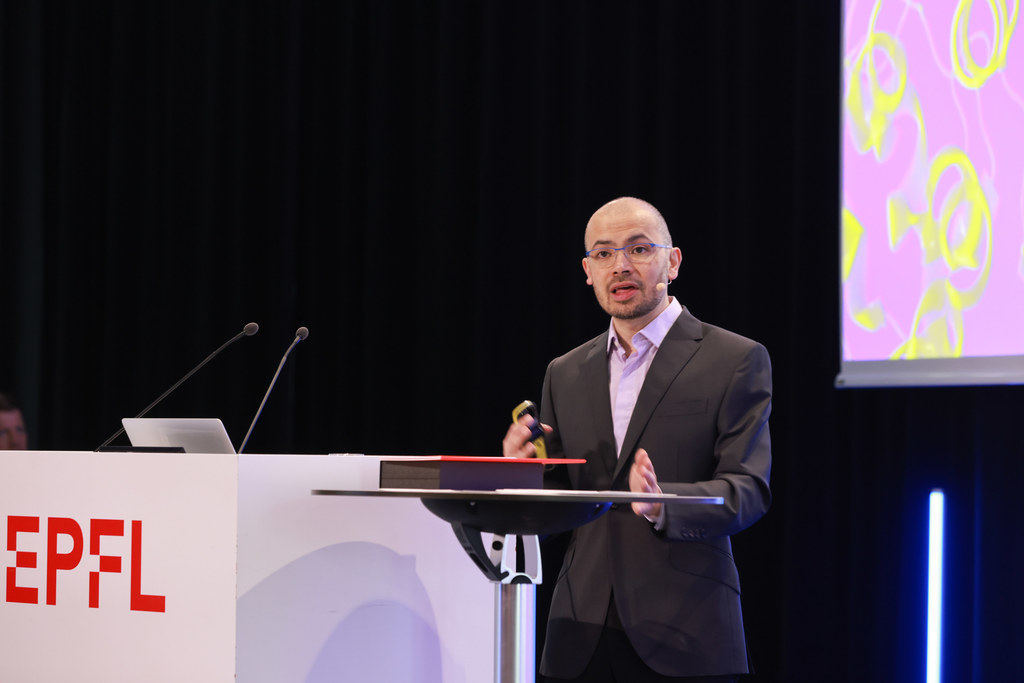
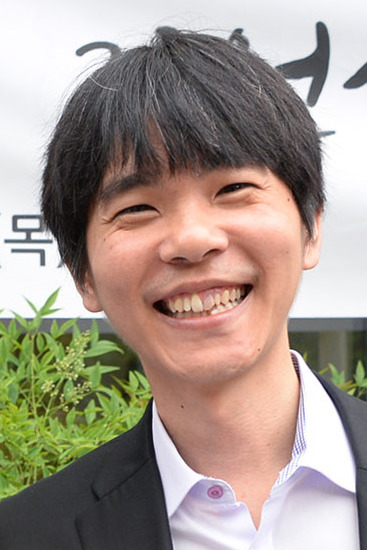
In March 2016, in Seoul, South Korea, the world watched a machine do something the experts had said was a decade away. AlphaGo, the Go-playing program built by DeepMind, faced Lee Sedol, a 9-dan grandmaster and one of the strongest players in the game’s history, in a five-game match. AlphaGo won 4–1. Every game ended in resignation.
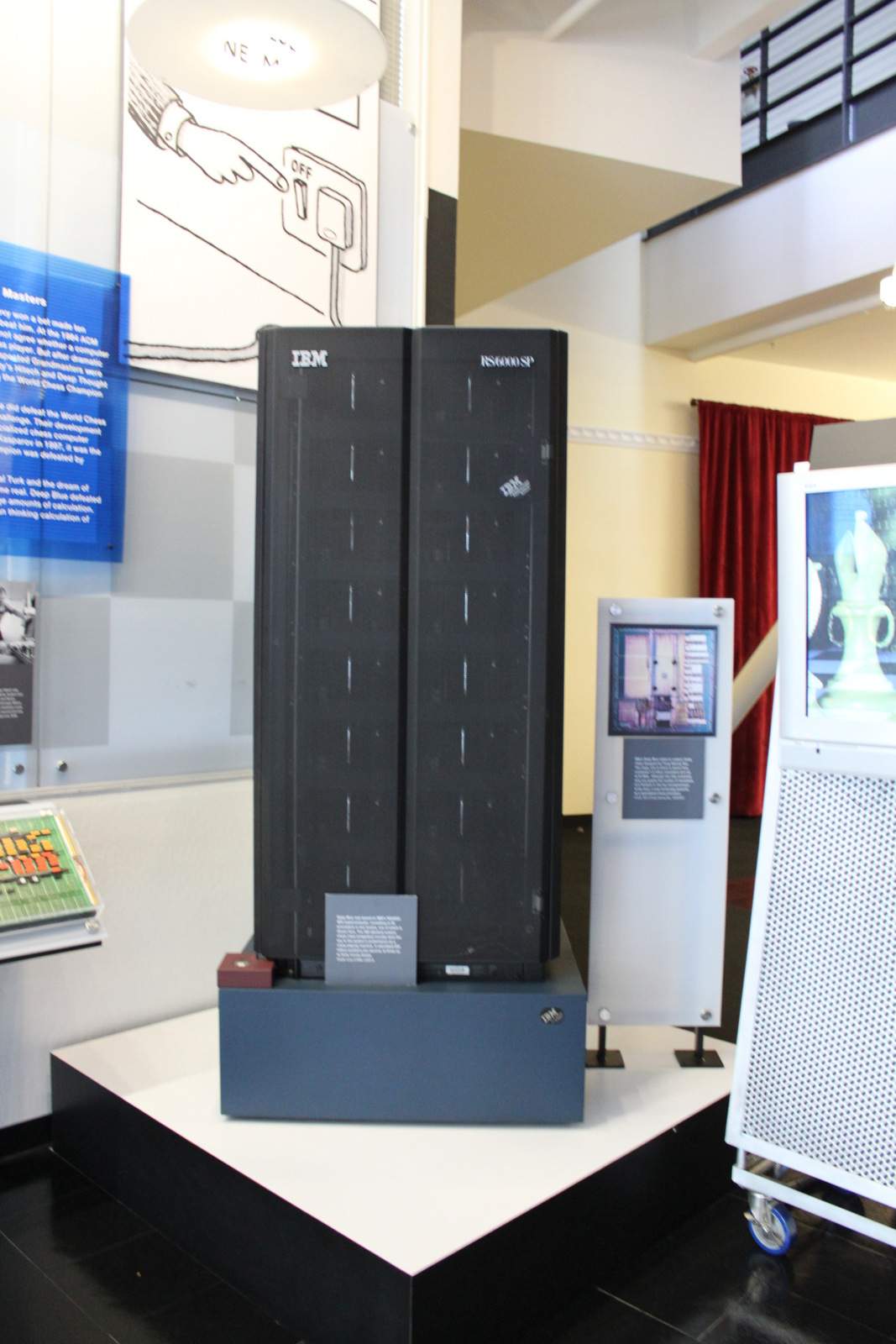
Go was supposed to be safe. Chess had fallen to IBM’s Deep Blue in 1997, but Go’s branching complexity, more possible positions than atoms in the observable universe, as every explainer noted, made brute force useless. AlphaGo didn’t brute-force. It used deep neural networks trained on human games and then on millions of games against itself, developing something its creators described as intuition. After the first victory, DeepMind CEO Demis Hassabis said simply: “We have landed on the moon.”
The $1 million prize went to charity, UNICEF and Go organizations, and the Korea Baduk Association awarded AlphaGo an honorary 9-dan rank. Lee Sedol, gracious in defeat, had given humanity its one bright moment in game four, the famous move that broke the machine’s composure. It remains the only game a human has ever won against AlphaGo in a formal match.
Why the match mattered
AlphaGo’s significance was never really about Go. It was the first demonstration, at public scale, that deep learning could master a domain defined by pattern, strategy, and judgment, not just calculation. The techniques proven in Seoul became the substrate of the decade that followed: the same research lineage leads, by way of transformers and scale, to the AI systems now rewriting software, science, and work. The match was the moment the field’s center of gravity moved from “if” to “when,” in front of a live audience.
Ten years on
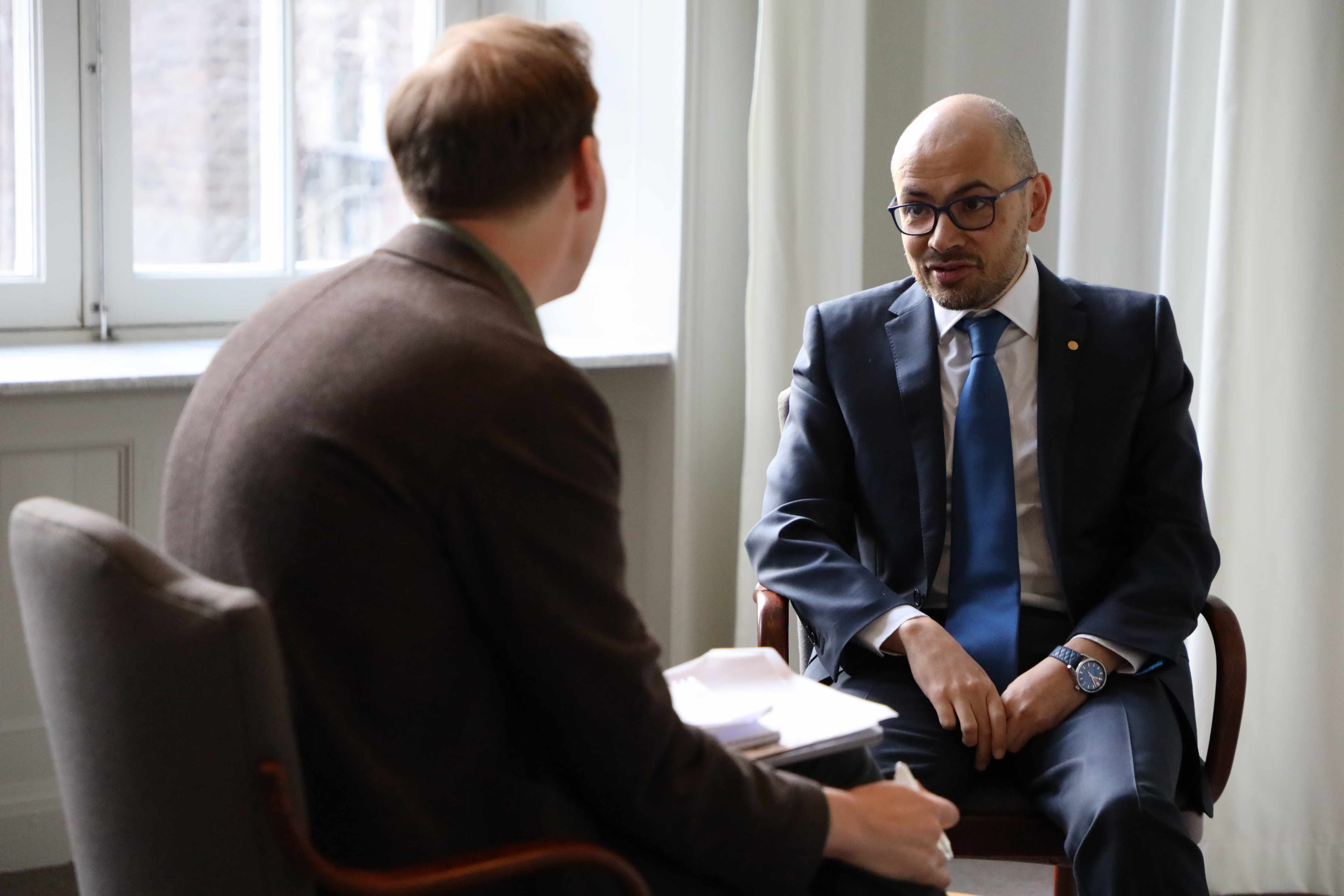
The anniversary was marked this spring in the city where it happened: at the “Google for Korea 2026” event in Seoul on April 29, Hassabis and Lee Sedol reunited for a dialogue themed “10 Years of AlphaGo: A Vision of AI for Everyone.” A decade after a machine beat the best human at humanity’s hardest game, the conversation has moved from whether AI can match human judgment to how human judgment should govern AI. The prologue is over. The story it introduced is still being written, and this magazine intends to report it with the same seriousness the match deserved.
Keep reading
More from the filing cabinet.
Business · Retrospective · North America · United States
AWS at Twenty: The Accidental Cloud That Ate the Industry
On March 14, 2006, Amazon launched a storage service. Nobody called it a revolution. Twenty years later, it is the infrastructure the internet runs on.
Technology · News · Asia · Japan
Rapidus Builds Its 2nm Alliance: Seventeen Partners, One Missing Piece
Japan’s $15 billion chipmaker unveiled a 17-company design ecosystem this week. The partners are real. The customers are still the question.
Technology · News · North America · New York
GlobalFoundries Will Build TSMC's CoWoS Interposers in New York
A $2 billion agreement puts GlobalFoundries' Malta fab inside the AI supply chain's tightest bottleneck: the silicon interposers that stitch GPUs to memory in TSMC's CoWoS packages.