
DISRUPTIVE / TECHNOLOGY / EVERGREEN
FILE Nº 010
Technology · Evergreen
Open Source Comes to Silicon: The RISC-V Explainer
The most important layer of the computer is the one nobody sees. For sixty years it was proprietary. A 2010 summer project at Berkeley set out to change that.
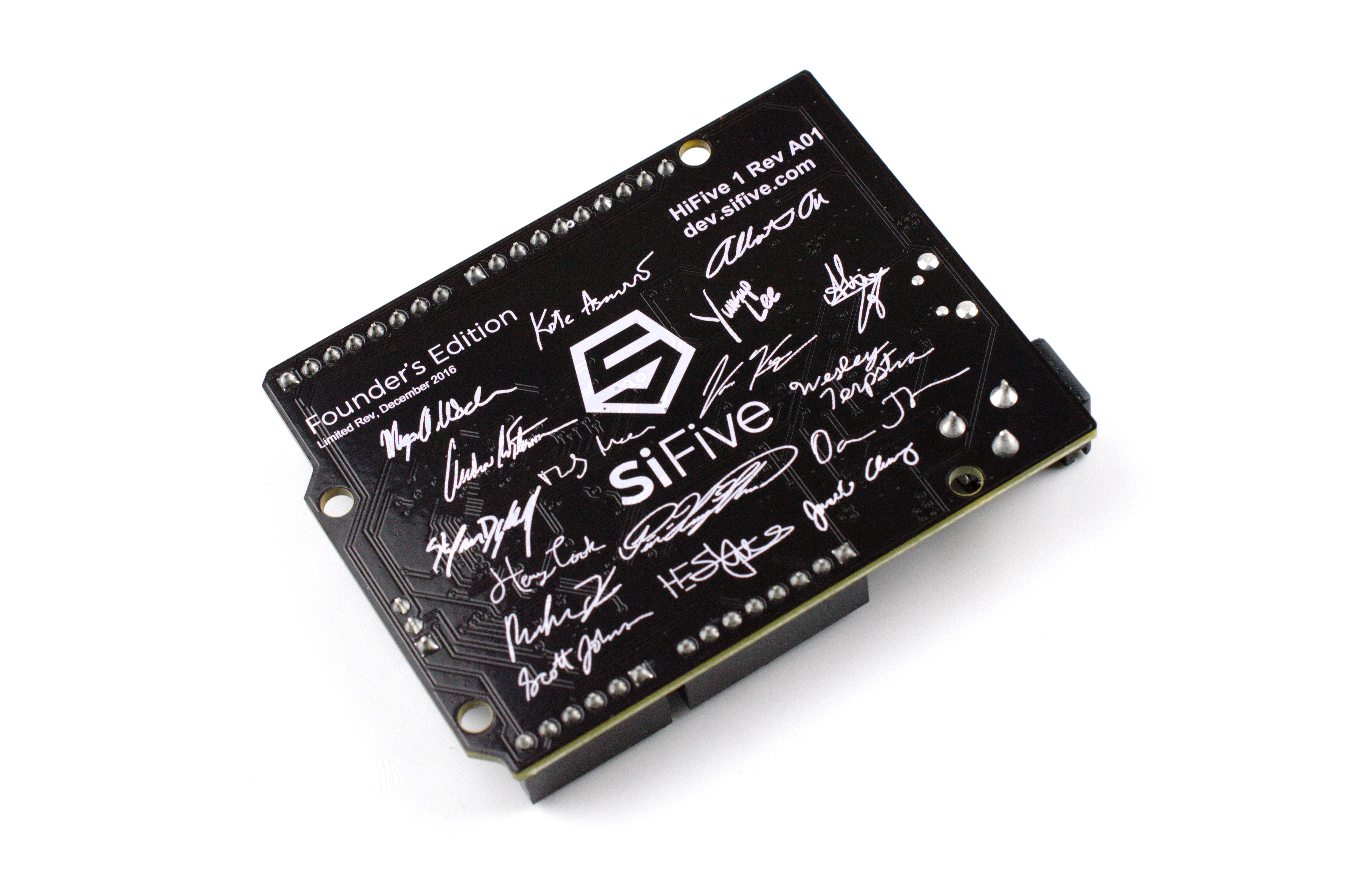
Every program a computer runs is translated, eventually, into instructions a processor understands. The vocabulary of those instructions — the instruction set architecture, or ISA — is the most fundamental layer of computing, and for most of the industry’s history it has been owned. x86 belongs to Intel and AMD. ARM belongs to Arm. If you wanted to design a chip, you paid rent on the language it spoke.
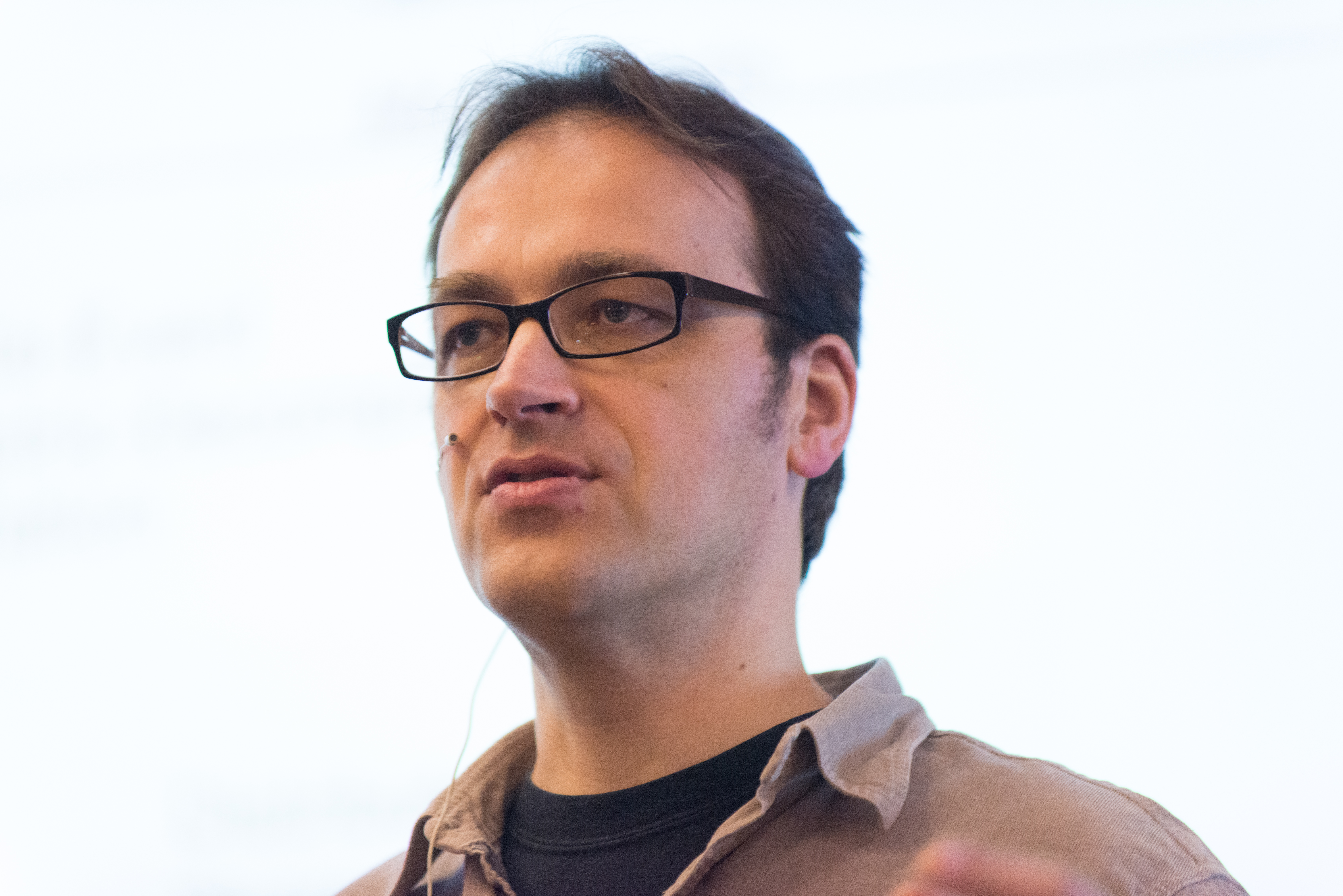
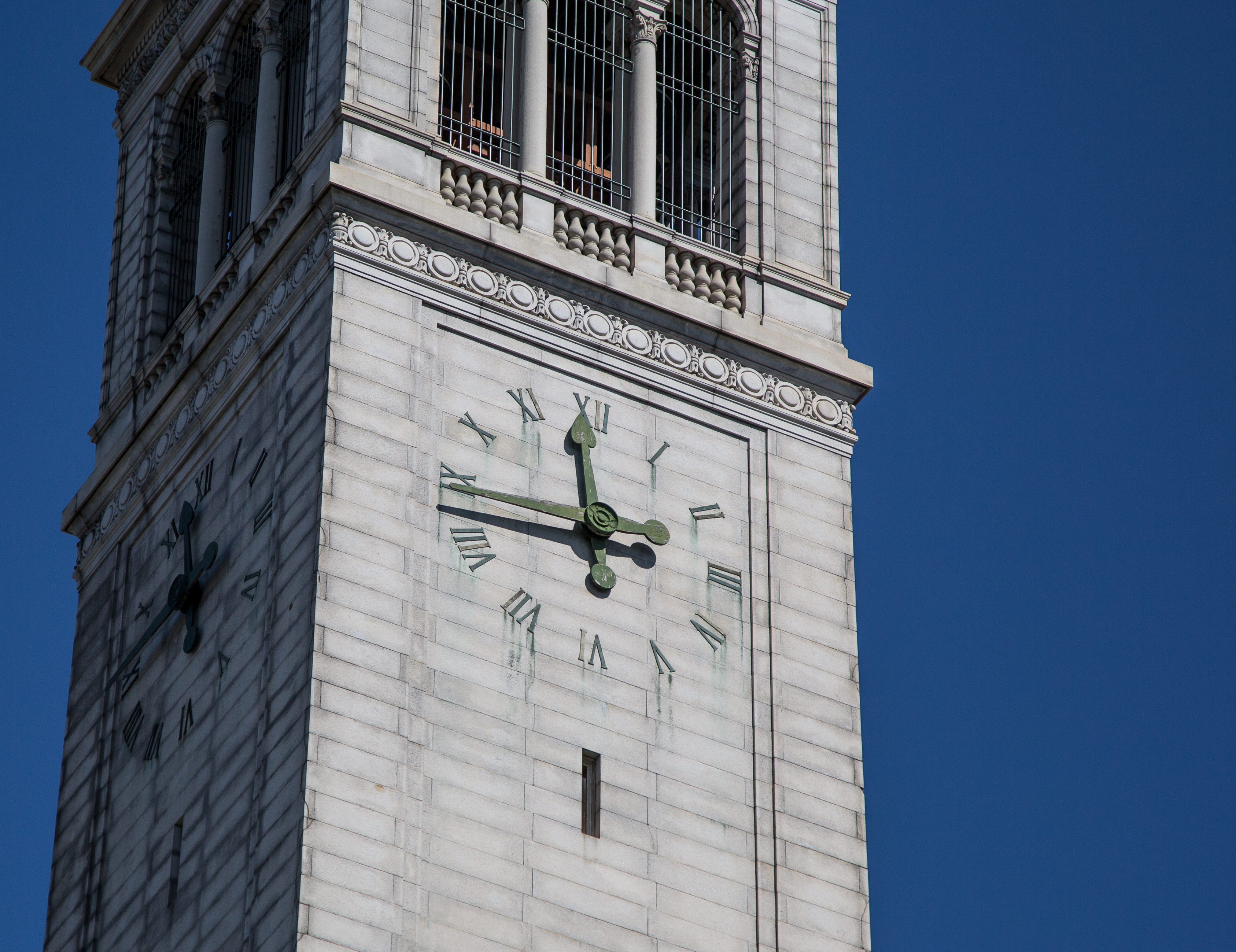
RISC-V is the open alternative. It was developed in 2010 at the University of California, Berkeley, as a summer project: professor Krste Asanović needed an open-source CPU core for his research, judged the existing options encumbered, and decided with several graduate students to design his own. David Patterson — the Berkeley RISC pioneer — joined the collaboration, making RISC-V the fifth generation of Berkeley’s RISC research line. One industry history marks May 18, 2010, the day the team decided to create its own ISA, as RISC-V’s official birthday.
The key word is open. Unlike proprietary ISAs, RISC-V’s specifications are released under permissive open-source licenses and can be implemented without paying royalties. Anyone can design a RISC-V chip, modify the design, and sell it — the ISA equivalent of what Linux did to the operating system.
A standard, not a chip
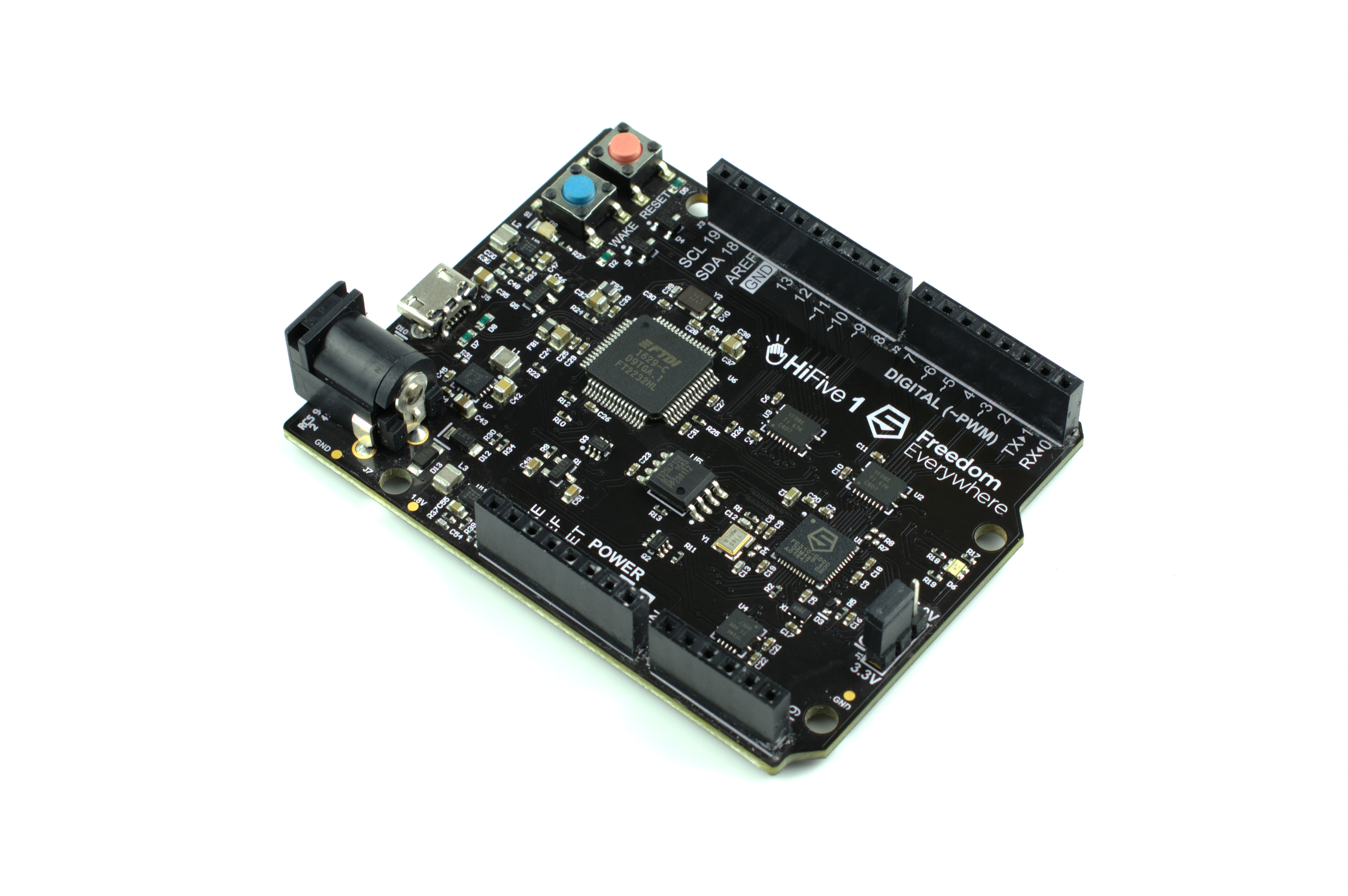
RISC-V is a specification, not a product. Its steward is RISC-V International, a non-profit founded in 2015 and based in Switzerland, which counted more than 4,500 members as of 2025. The commercial ecosystem grew around it: SiFive, founded in 2015 by Asanović and his students Andrew Waterman and Yunsup Lee, was built to commercialize RISC-V silicon, and the first test chips were already running in 2012.
Adoption followed the classic open-source path: microcontrollers and embedded systems first, where cost sensitivity is highest and the software ecosystem is thinnest. Higher-performance implementations targeting mobile, desktop, and server markets are in development, the ISA is supported by several major Linux distributions, and commercial systems-on-chip now ship from companies including SiFive, Alibaba’s DAMO Academy, Espressif, and Raspberry Pi.
Why it matters for disruption
The ISA was the last layer of the stack where a startup needed permission to compete. Removing that toll doesn’t guarantee better chips — design talent, fabrication access, and software ecosystems still decide — but it changes who gets to try. For countries and companies pursuing technological sovereignty, an open ISA is also a hedge against being cut off from the vocabulary their own machines speak. Open source ate software; it is now working its way down the stack.
Keep reading
More from the filing cabinet.
Design · Evergreen · Global · the trade system
The Box That Shrank the World: How the Container Remade Trade
The most disruptive object of the twentieth century is a steel box with no moving parts. Its inventor wasn’t a sailor — he was a trucker who hated waiting.
Science · Evergreen · Global · the laboratory
Fusion’s Long Bet: What NIF’s Ignition Proved — and What It Didn’t
In December 2022, a laboratory in California got more fusion energy out than laser energy in. It was a genuine milestone. It was not a power plant.
Features · Evergreen · Global · the idea
Creative Destruction: Schumpeter’s Enduring Idea
Long before “disruption” became a buzzword, an Austrian economist gave the process its sharpest name — and warned that capitalism’s greatest strength is also its violence.