
DISRUPTIVE / DESIGN / EVERGREEN
FILE Nº 012
Design · Evergreen
The Box That Shrank the World: How the Container Remade Trade
The most disruptive object of the twentieth century is a steel box with no moving parts. Its inventor wasn’t a sailor — he was a trucker who hated waiting.
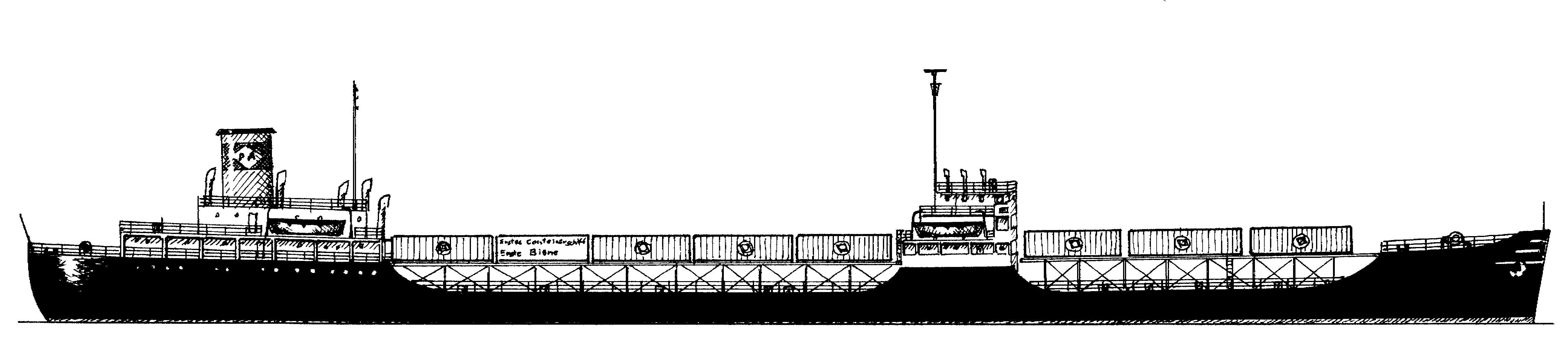
The most consequential designed object of the twentieth century has no screen, no engine, and no moving parts. It is a steel box, and it shrank the world. Before it, cargo traveled as breakbulk — boxes, barrels, and bales manhandled piece by piece into a ship’s hold by gangs of longshoremen. After it, a container could move from a truck to a ship to a train without its contents ever being touched.
The box’s inventor was Malcom McLean, a North Carolina trucking entrepreneur. The idea came to him in 1937, waiting most of a day at a New Jersey pier to deliver cotton bales, watching dockworkers load cargo piece by piece. His thought, as he later described it: wouldn’t it be better if the whole trailer could simply be lifted onto the ship? Nineteen years later, on April 26, 1956, the Ideal X — a converted World War II T-2 tanker, formerly the Potrero Hills — sailed from Port Newark, New Jersey, to Houston, Texas, carrying 58 metal containers on her deck. A crane placed a container on deck every seven minutes; the ship was loaded in under eight hours.
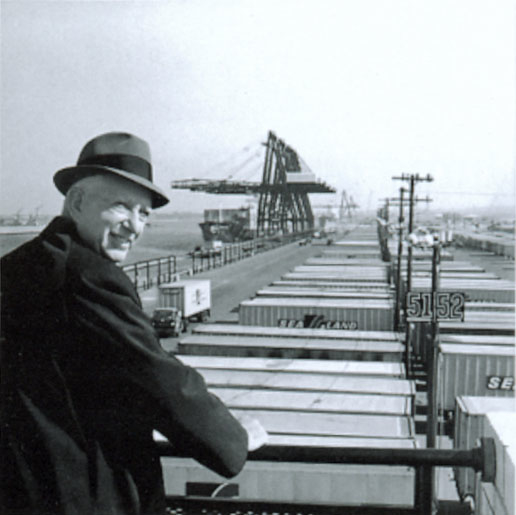
The economics were the argument. Loading loose cargo on a medium-sized ship cost $5.83 per tonne in 1956; McLean’s experts calculated the cost of loading the Ideal X at 15.7 cents per tonne. Before the ship had even docked in Houston, the company was taking orders for return cargo in containers. McLean renamed his shipping line Sea-Land in 1960, and the box went to work on the world’s trade routes.
The box as a system
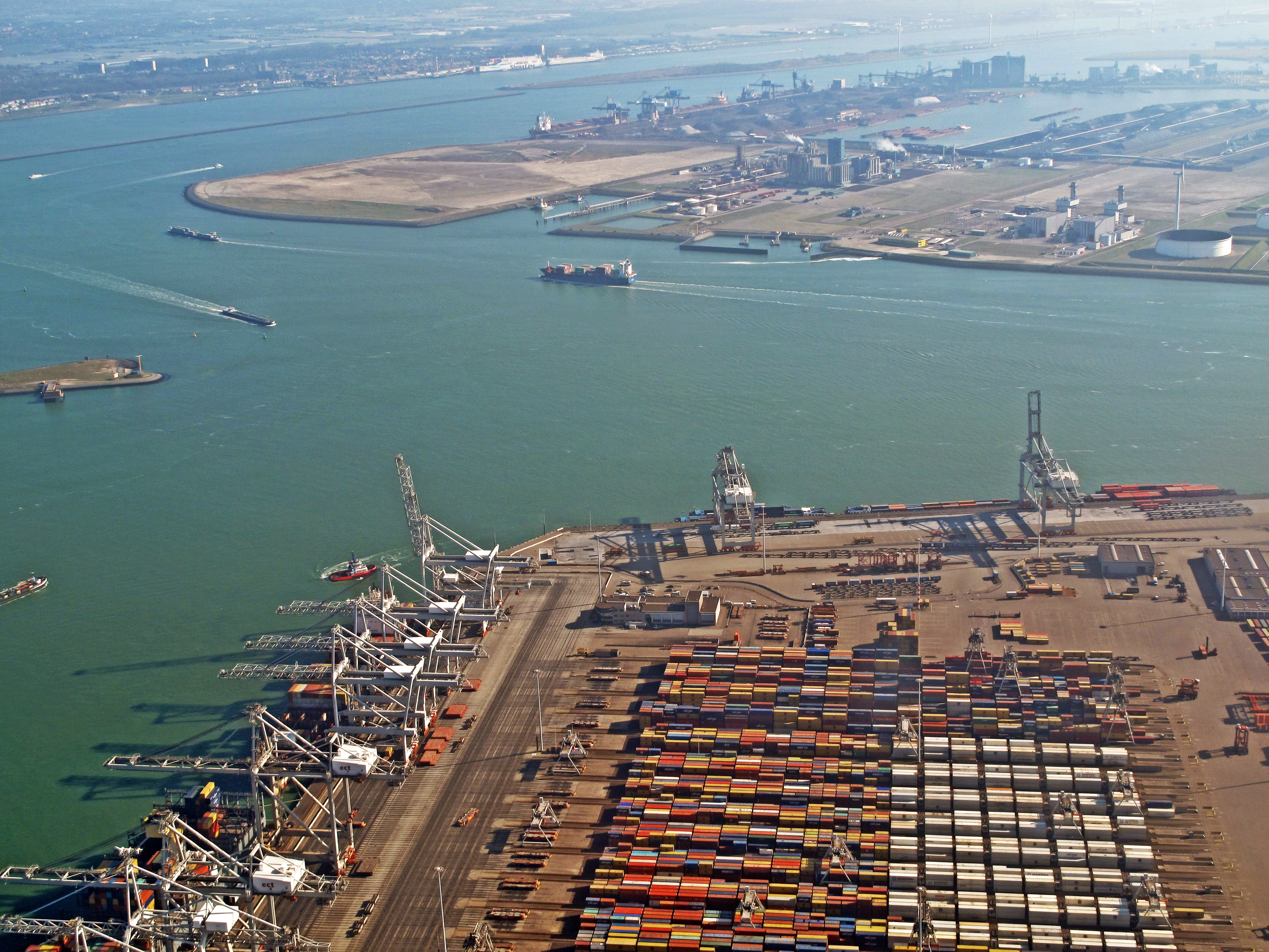
The container’s genius was never the box itself — boxes existed. It was the agreement about the box: standard dimensions, standard fittings, standard handling, so the same unit could travel by ship, truck, and train anywhere on earth. The follow-on ship, the Gateway City, sailed in October 1957 carrying three times the Ideal X’s load. Ports rebuilt themselves around gantry cranes; the industry converged on the twenty-foot equivalent unit, the TEU, as its common denominator.
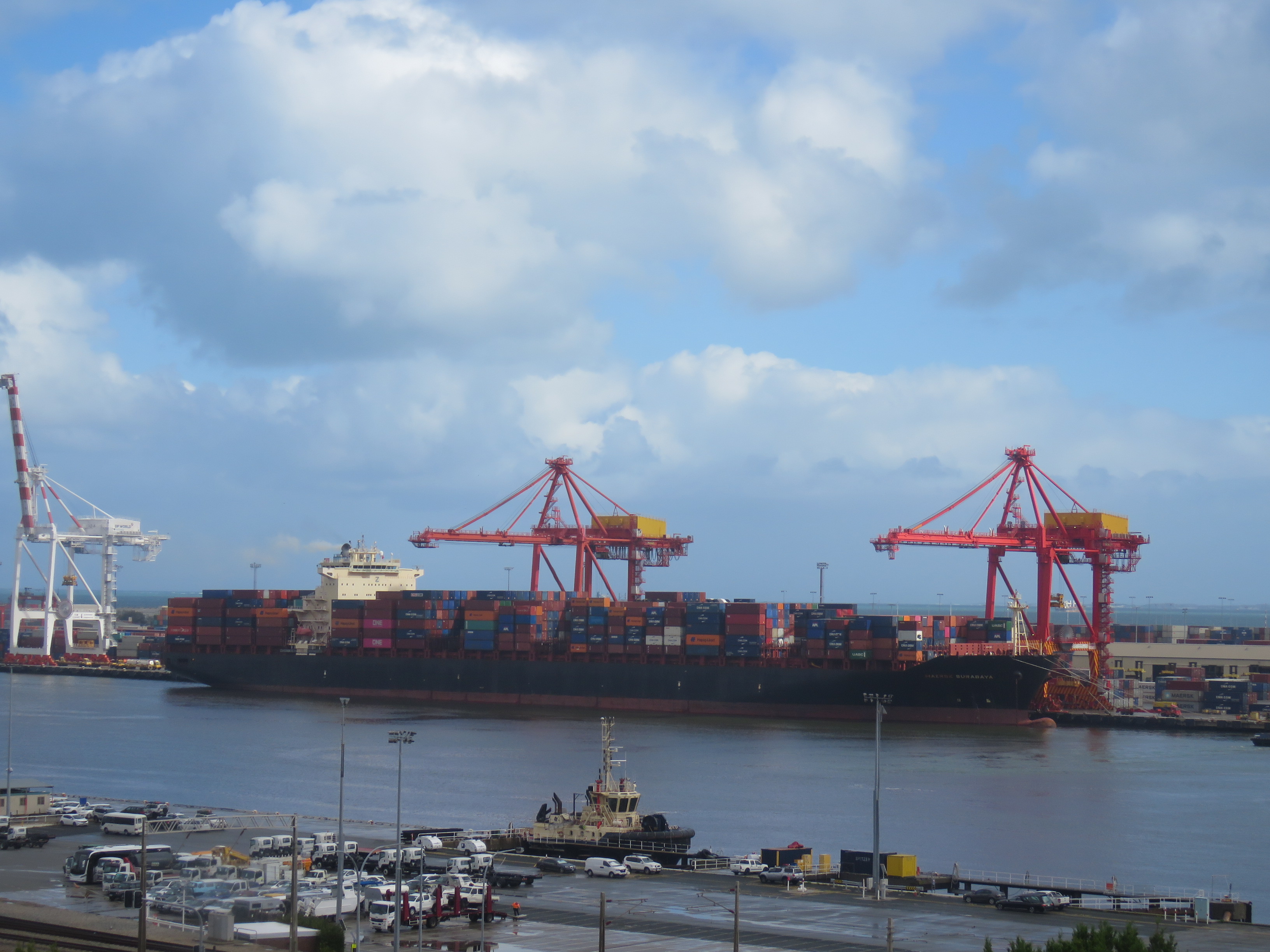
Containerization also rewrote geography. Manufacturing could chase cheap labor across oceans because the ocean had become cheap. The port cities that adapted became the gates of the global economy; the ones that didn’t, didn’t. A steel box, standardized, did more to globalize production than any trade agreement of the century.
Why designers should care
Software engineers borrowed the metaphor deliberately: the shipping container is the ancestor of the software container, the standardized unit that moves unchanged between environments. The deeper lesson is that the most disruptive designs are often interfaces, not objects — agreements about how things connect. McLean didn’t invent the box. He invented the handshake between the truck, the ship, and the crane. Everything since has been commentary.
Keep reading
More from the filing cabinet.
Features · Evergreen · Global · the idea
Creative Destruction: Schumpeter’s Enduring Idea
Long before “disruption” became a buzzword, an Austrian economist gave the process its sharpest name — and warned that capitalism’s greatest strength is also its violence.
Features · Evergreen · Global · the essay
“Software Is Eating the World,” Fifteen Years On
In August 2011, Marc Andreessen wrote the most influential business essay of the internet era. Fifteen years later, the thesis held — and its one blind spot became the story.
Technology · Retrospective · Asia · South Korea
Ten Years After the Note 7: The Recall That Rewired Battery Safety
On October 11, 2016 — ten years ago today — Samsung killed its flagship phone. The industry has spent a decade making sure it never happens again.