
DISRUPTIVE / SCIENCE / EVERGREEN
FILE Nº 013
Science · Evergreen
Fusion’s Long Bet: What NIF’s Ignition Proved — and What It Didn’t
In December 2022, a laboratory in California got more fusion energy out than laser energy in. It was a genuine milestone. It was not a power plant.
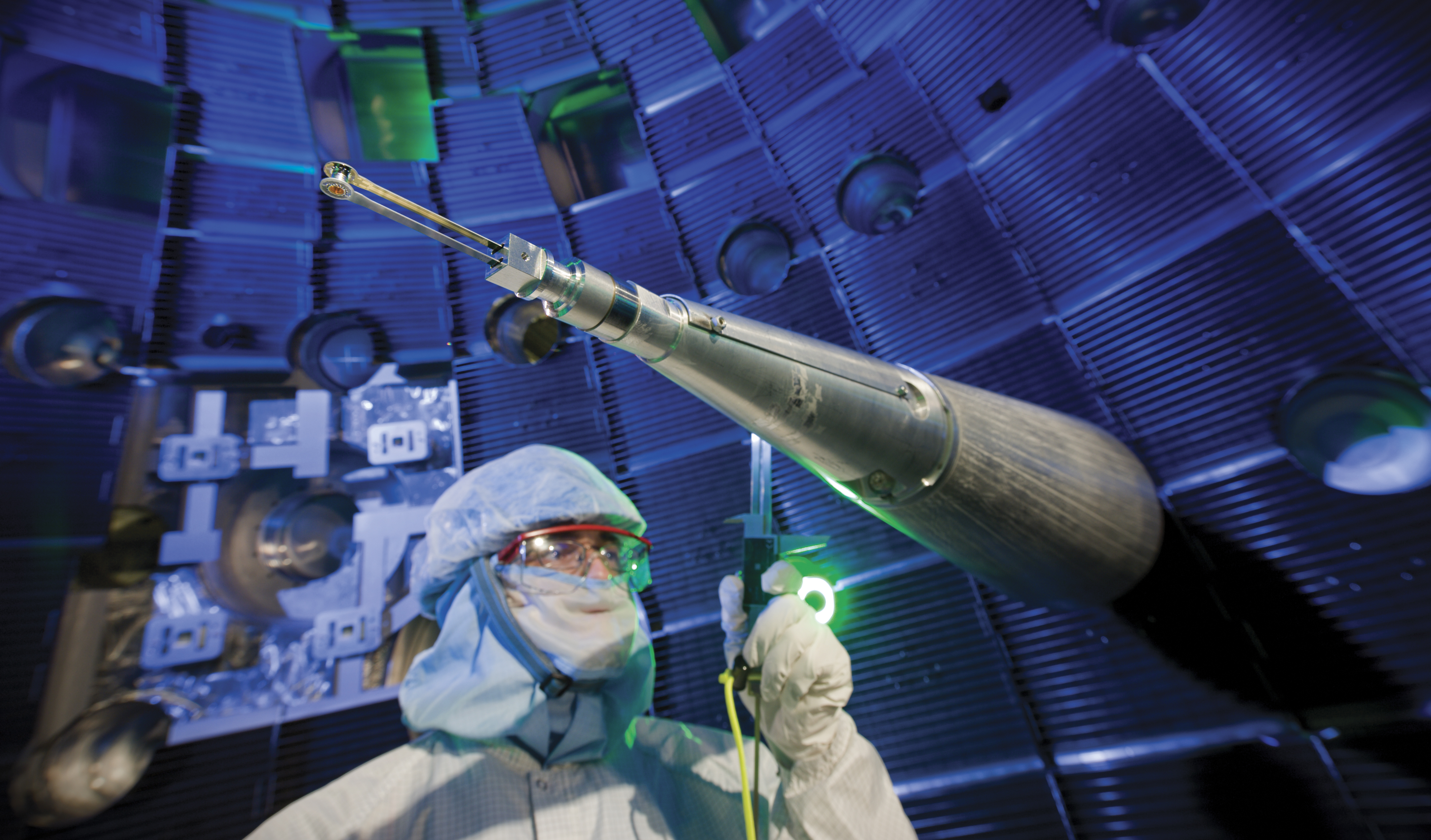
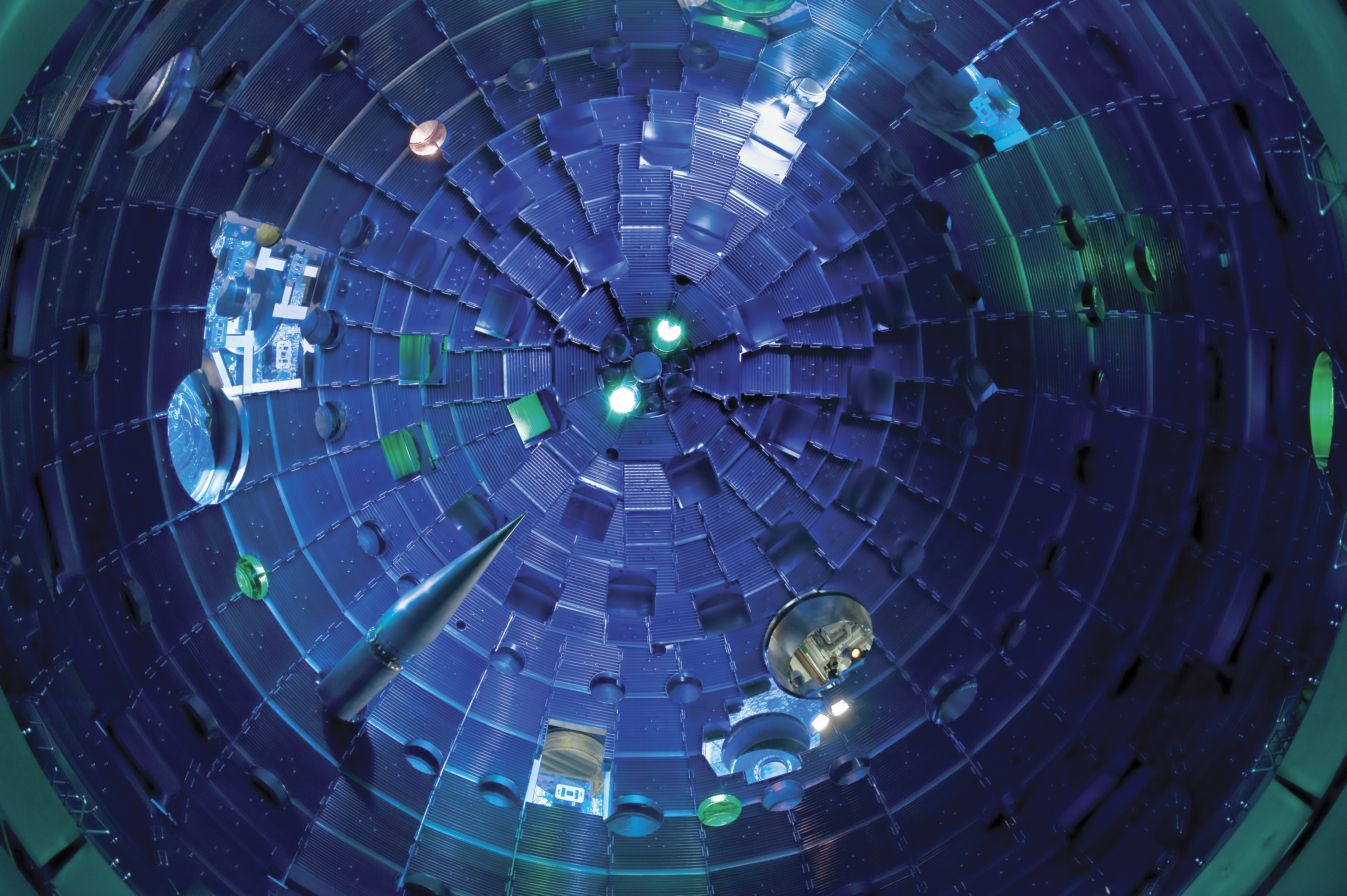
Fusion is the reaction that powers the sun: light nuclei forced together until they merge, releasing energy. Reproducing it on Earth has been the longest bet in energy research — and on the morning of December 5, 2022, the bet paid out its most significant dividend yet. At the National Ignition Facility (NIF) at Lawrence Livermore National Laboratory in California, 192 laser beams delivered 2.05 megajoules of ultraviolet energy onto a deuterium-tritium fuel capsule about the size of a peppercorn. The implosion released 3.15 megajoules of fusion energy — more than the laser energy that drove it.
It was the first controlled fusion experiment in history to achieve ignition: more fusion energy out than energy delivered to the fuel. The U.S. Department of Energy announced the result on December 13, 2022. The energy gain — about 1.5 times — validated the physics of laser-driven inertial confinement fusion, an approach pursued for decades.
Scientific breakeven is not wall-plug breakeven
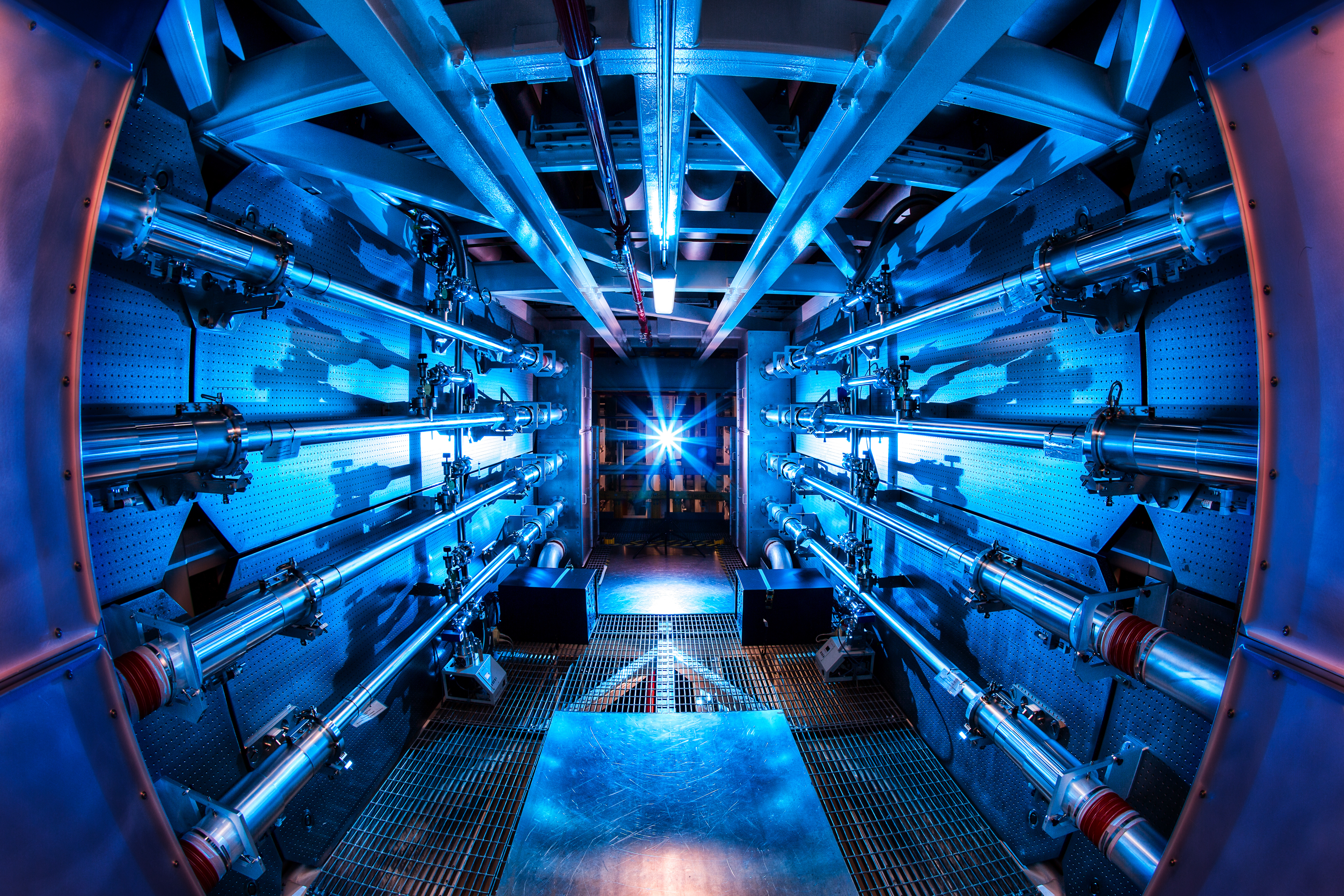
Here is the honest accounting, and it matters. The 3.15 megajoules exceeded the 2.05 megajoules of laser light — but charging those lasers drew hundreds of megajoules from the electric grid. What NIF demonstrated was scientific breakeven: fusion outpacing the energy delivered to the fuel. Engineering breakeven — the reaction sustaining itself — and economic breakeven — selling electricity at a profit — remain far further off. A milestone in physics is not a milestone in power generation, and conflating the two is how fusion journalism usually goes wrong.
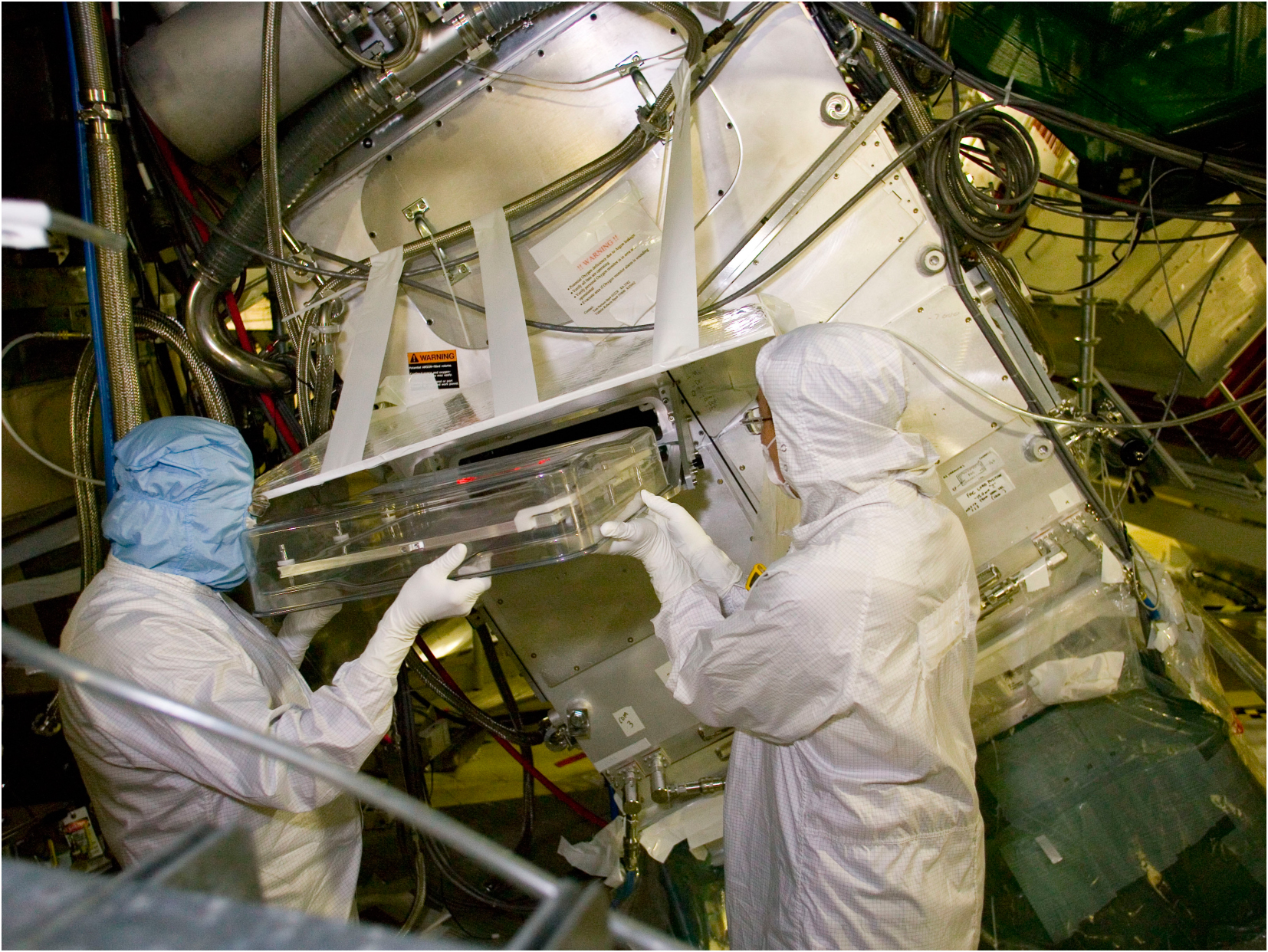
The result was also repeatable, which is what separates a milestone from a fluke. NIF reached breakeven again on July 30, 2023, yielding 3.88 megajoules; a February 2024 shot yielded 5.2 megajoules from 2.2 megajoules of input; and 2025 tests pushed further still. Each shot refines the understanding of implosion symmetry, capsule design, and laser delivery — the unglamorous variables that decide whether fusion ever leaves the laboratory.
Why it still matters
Ignition proved that the physics works: a laboratory implosion can release net fusion energy. That is a necessary condition for any future inertial-fusion energy system, and for decades it was an open question. The sufficient conditions — affordable targets, efficient drivers, rapid repetition, materials that survive — are the work of the coming decades, and many may fail. Fusion’s long bet is still a bet. But since December 2022, it is a bet placed on proven physics rather than hoped-for physics. In research, that is the difference between everything and nothing.
Keep reading
More from the filing cabinet.
Features · Evergreen · Global · the essay
“Software Is Eating the World,” Fifteen Years On
In August 2011, Marc Andreessen wrote the most influential business essay of the internet era. Fifteen years later, the thesis held — and its one blind spot became the story.
Technology · Retrospective · Asia · South Korea
Ten Years After the Note 7: The Recall That Rewired Battery Safety
On October 11, 2016 — ten years ago today — Samsung killed its flagship phone. The industry has spent a decade making sure it never happens again.
Design · Retrospective · North America · Cupertino
The iPod at Twenty-Five: The Object That Taught Apple Everything
On October 23, 2001, Steve Jobs promised “1,000 songs in your pocket.” The device wasn’t the first MP3 player. It was the first one that understood the system.