
DISRUPTIVE / FEATURES / EVERGREEN
FILE Nº 014
Features · Evergreen
Creative Destruction: Schumpeter’s Enduring Idea
Long before “disruption” became a buzzword, an Austrian economist gave the process its sharpest name — and warned that capitalism’s greatest strength is also its violence.
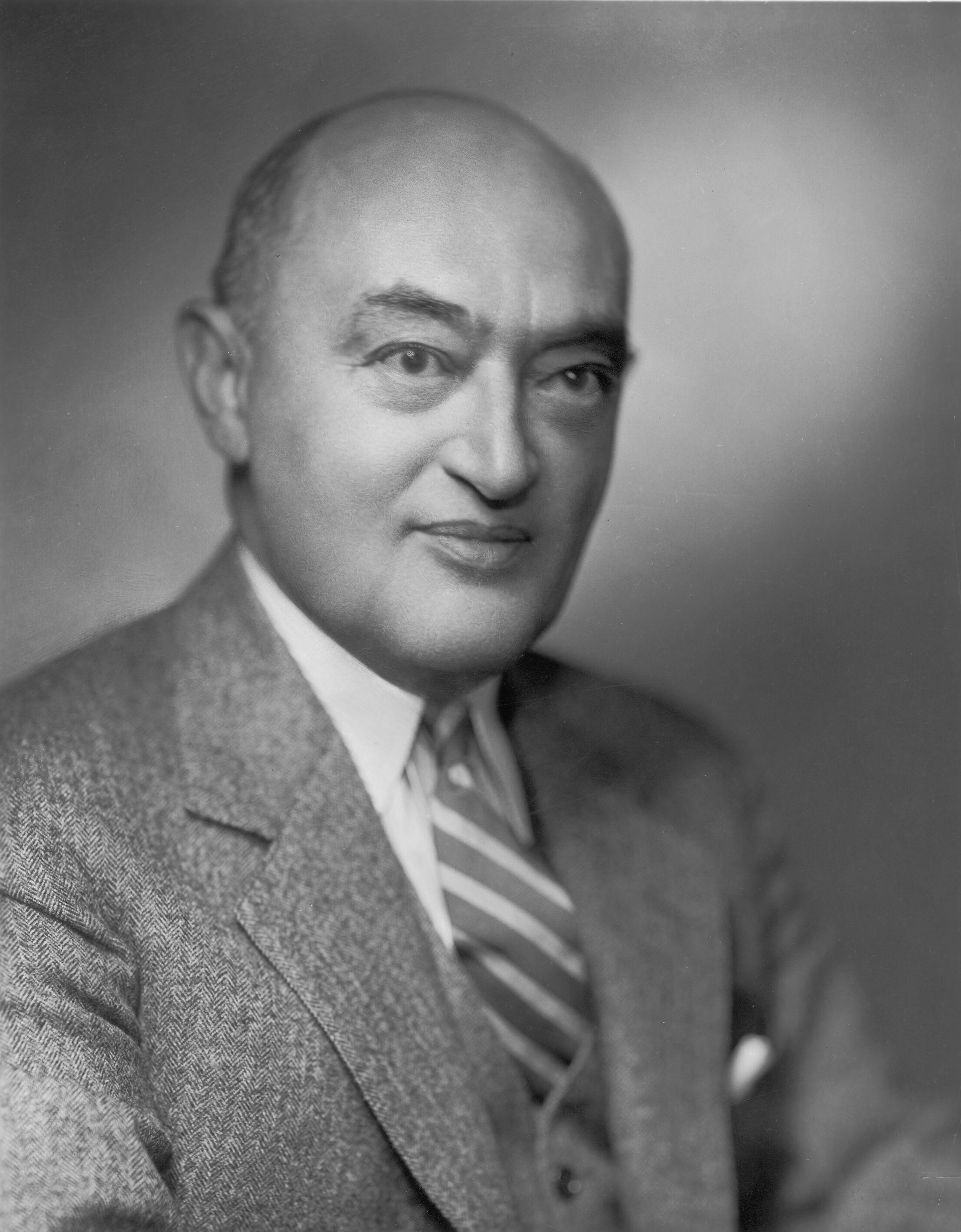
“Disruption” has an older, sharper name, and it comes with a warning the modern version usually drops. In 1942, the Austrian-born economist Joseph Schumpeter published Capitalism, Socialism and Democracy and gave the market economy’s central drama its enduring phrase: creative destruction. Capitalism, he argued, is driven by a “perennial gale of creative destruction” — a process that incessantly revolutionizes the economic structure from within, destroying the old and creating the new.
Schumpeter’s mechanism is specific. The impulse that keeps the capitalist engine in motion, he wrote, comes from new consumers’ goods, new methods of production and transportation, new markets, and new forms of industrial organization — the organizational leap from the craft shop to the giant concern. This industrial mutation, he insisted, is not an accident that befalls capitalism. It is what capitalism consists in, and what every capitalist concern has got to live in.
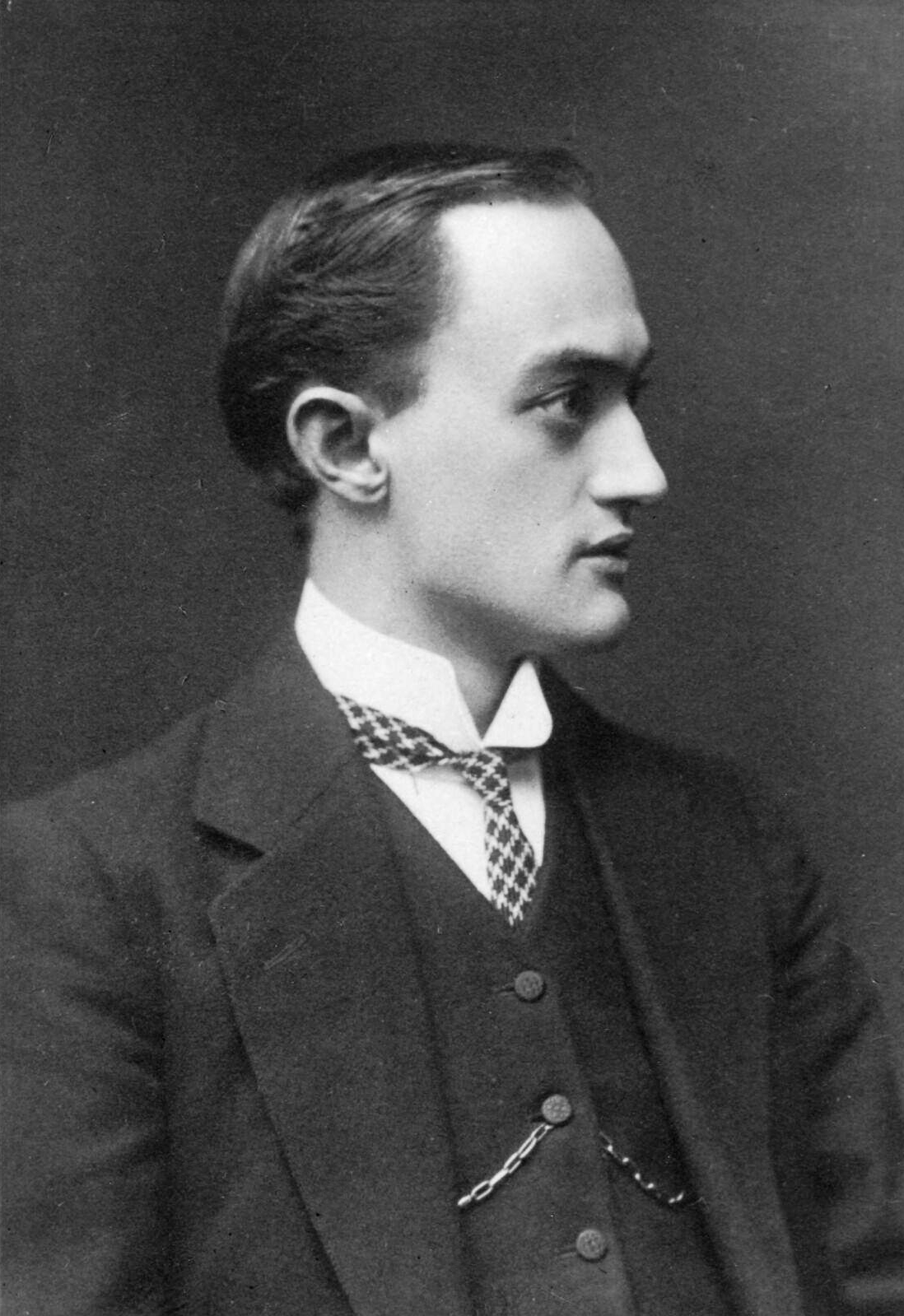
The crucial distinction: for Schumpeter, the competition that matters is not the price war between sellers of the same product. It is the competition from the entirely new thing — the new commodity, the new technology, the new source of supply — that strikes at the foundations and the very lives of existing firms. Price competition is a skirmish. Creative destruction is the war.
The destruction is the point
Modern disruption theory owes Schumpeter its spine, and the debt is usually acknowledged: Christensen’s account of entrants displacing incumbents is creative destruction with the mechanism specified. But Schumpeter’s version is bleaker and more honest. The destruction is not a side effect of progress; it is the progress. Every efficiency gain has a corresponding obsolescence — of products, of skills, of firms, of livelihoods. A theory of innovation that celebrates only the creation is a theory that has stopped reading.
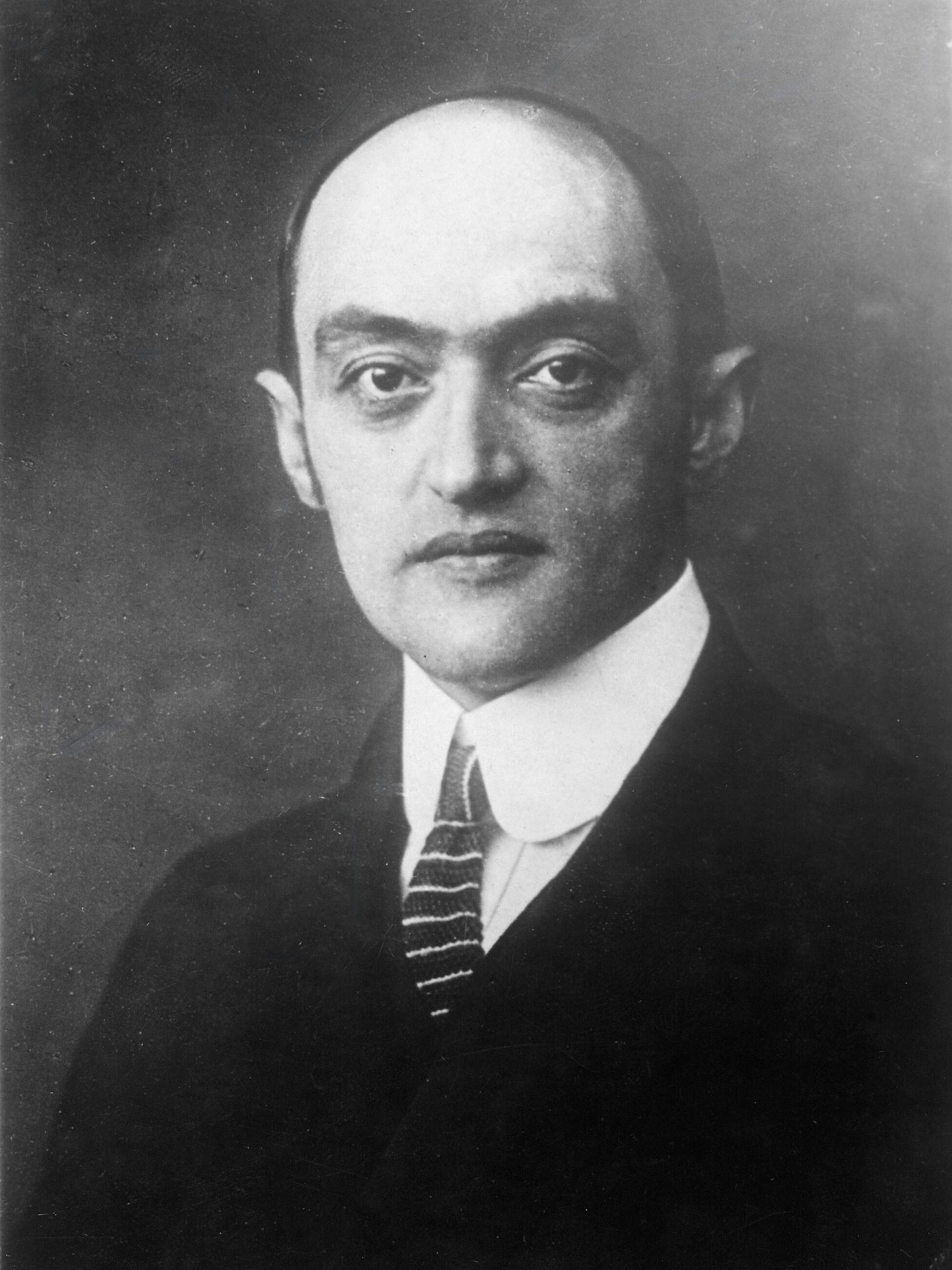
Schumpeter also saw further than his admirers. He argued that capitalism’s very success — its routinization of innovation inside large organizations — would eventually undermine the entrepreneurial function and the social order that sustained it. Whether or not that prophecy holds, it is a useful corrective to the cheerful version of disruption: the gale does not ask permission, and it does not distribute its benefits evenly.
How this magazine uses him
We keep Schumpeter on the desk for two reasons. First, as a test: when we call something disruptive, we ask whether it is merely new or whether it is actually destroying and replacing an existing structure — the Schumpeterian bar. Second, as a discipline: every story of creation in these pages should carry, somewhere, an honest account of what is being destroyed. The gale is perennial. Our job is to report both its directions.

Keep reading
More from the filing cabinet.
Technology · Retrospective · Asia · South Korea
Ten Years After the Note 7: The Recall That Rewired Battery Safety
On October 11, 2016 — ten years ago today — Samsung killed its flagship phone. The industry has spent a decade making sure it never happens again.
Design · Retrospective · North America · Cupertino
The iPod at Twenty-Five: The Object That Taught Apple Everything
On October 23, 2001, Steve Jobs promised “1,000 songs in your pocket.” The device wasn’t the first MP3 player. It was the first one that understood the system.
Business · Retrospective · Middle East · Suez Canal, Egypt
Five Years After the Ever Given: Six Days That Taught Supply Chains Everything
In March 2021, a single ship blocked the Suez Canal for six days and held up $9.6 billion of trade a day. The world learned what its supply chains were really made of.