
DISRUPTIVE / INNOVATION / NEWS
FILE Nº 004
Innovation · News
Washington’s $350 Million Quantum Wager: From Blueprints to Hardware
DARPA advanced four more companies to the final stage of its Quantum Benchmarking Initiative, while the Pentagon lined up a conditional $150 million loan for PsiQuantum’s factory.
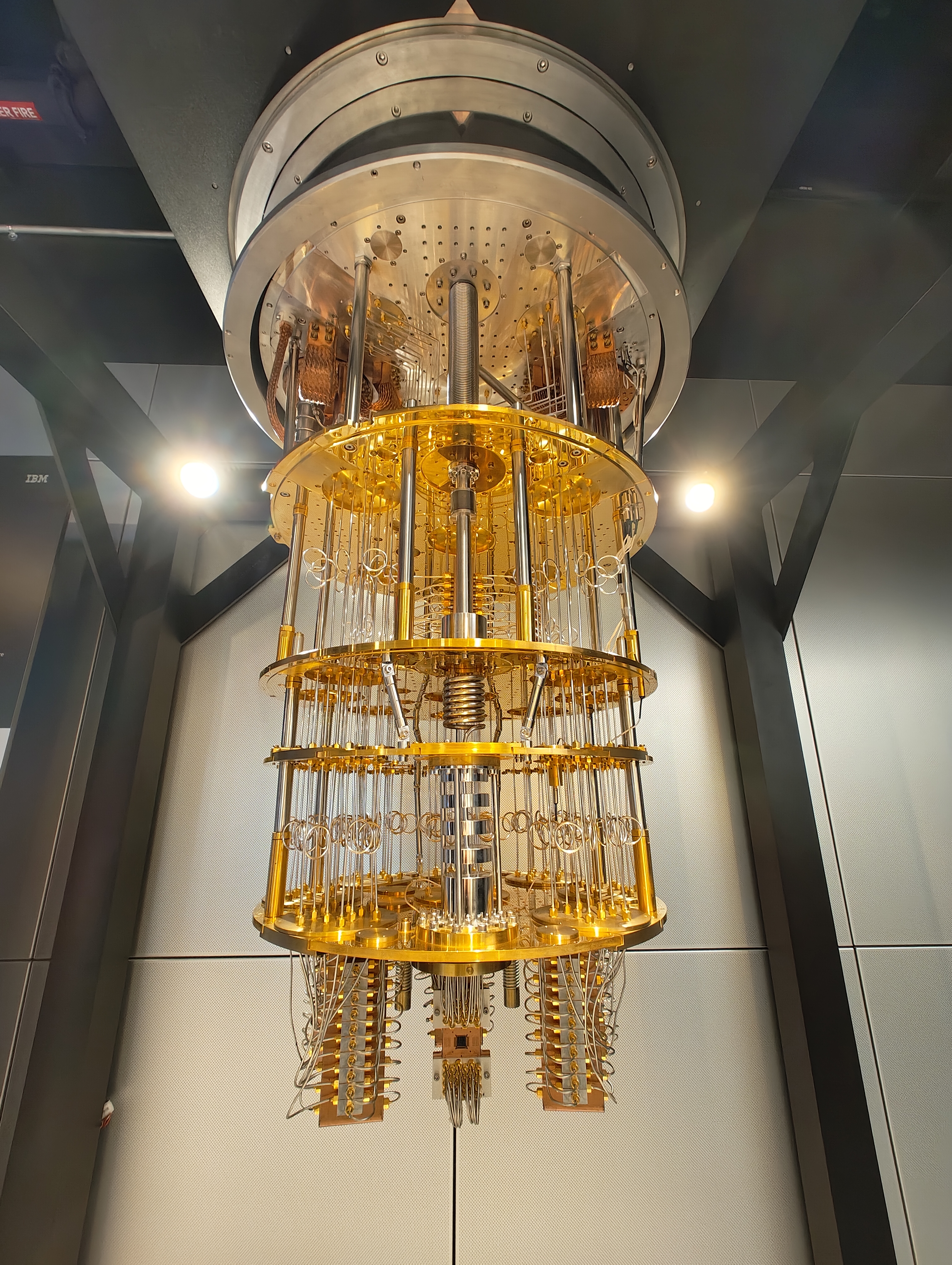
On October 8, the U.S. Department of War announced approximately $350 million in quantum computing initiatives: roughly $200 million in new DARPA funding and a conditional loan commitment of up to $150 million for PsiQuantum — aimed at accelerating national-security applications and securing domestic manufacturing for fault-tolerant quantum computing.
A day earlier, DARPA had named the four newest entrants to Stage C of its Quantum Benchmarking Initiative: Atom Computing, Diraq, IBM, and IonQ. They join Microsoft and PsiQuantum in the program’s final verification phase.
Stage C: where plans meet proof
“Stage C is where we begin moving from plans to proof.”
— Micah Stoutimore, who runs the Quantum Benchmarking Initiative at DARPA
In Stage C, a government team works with each company to verify whether its proposed system can actually be built as designed and operated as intended — a shift from auditing theoretical blueprints to testing physical hardware. DARPA’s stated objective is to determine whether any quantum approach can reach utility-scale operation by 2033, with computational value exceeding cost. The agency stresses it is not a competition and is not meant to pick winners.
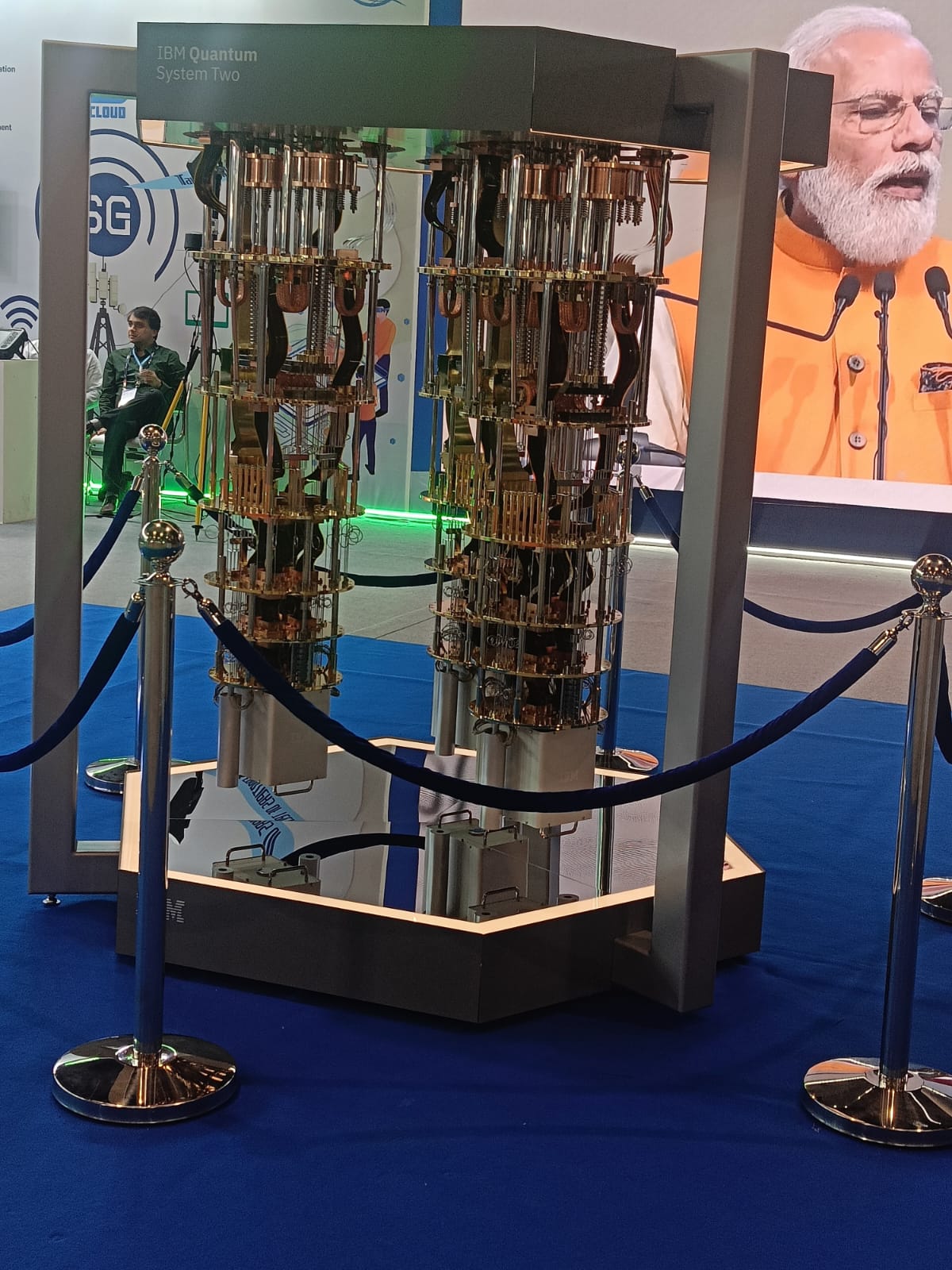
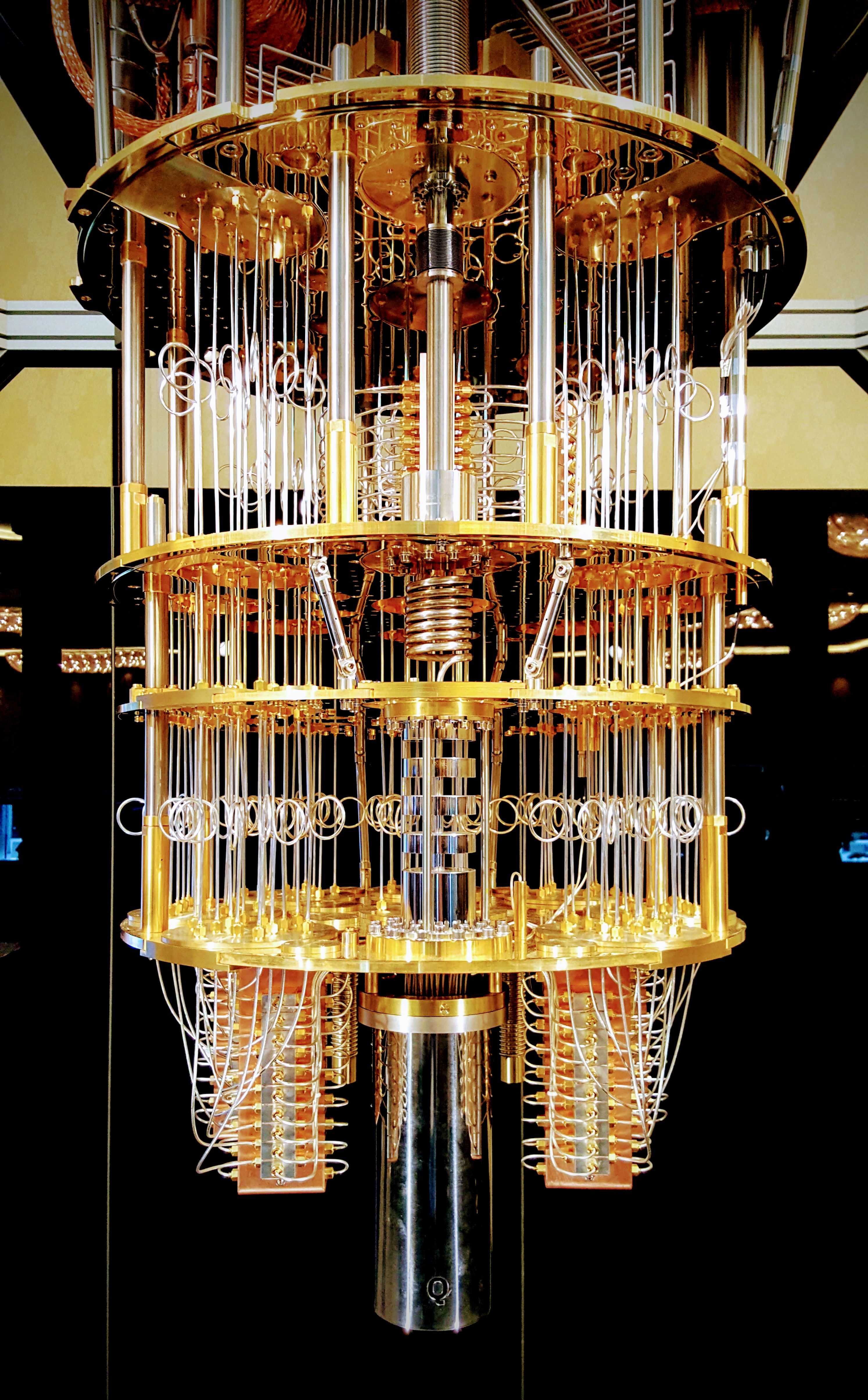
The four newcomers span the field’s competing technologies: Atom Computing works with neutral atoms, Diraq with silicon spin qubits, IBM with modular superconducting processors, and IonQ with trapped ions.
The Department of War said the Stage C advances represent about $200 million in new funding, building on more than $650 million DARPA says it has already invested in prospective quantum providers. One honest accounting note: IonQ separately said its own Stage C agreement has a potential value of up to $300 million — a ceiling, not committed money, subject to future appropriations — and the two figures have not been reconciled.

The factory loan
The other half of the package is industrial policy. The Office of Strategic Capital’s conditional loan of up to $150 million would support PsiQuantum’s 140,000-square-foot advanced manufacturing, testing, and system integration hub — “PsiFactory” — in Milpitas, California: validation equipment, subassembly integration infrastructure, and advanced cryogenic systems for large-scale photonic prototype testing.
PsiQuantum, a Palo Alto-based developer of photonic quantum hardware, has been stacking public capital: a $125 million expanded DARPA QBI contract in July 2026 and a $100 million CHIPS and Science Act award in September 2026 preceded the loan commitment, which remains subject to customary legal, financial, technical, and regulatory due diligence.
To ground the hardware push in real missions, the Pentagon’s research and engineering office and DARPA will co-host application workshops with the Department of Energy, the National Nuclear Security Administration, and the Laboratory for Physical Sciences before January 2027, targeting use cases in chemistry, materials science, and physics.
Keep reading
More from the filing cabinet.
Technology · Evergreen · Global · the industry, not a place
Moore’s Law at Sixty: What Gordon Moore Actually Predicted
It wasn’t a law, it wasn’t about speed, and the doubling period changed. The most famous prediction in technology, read properly.
Features · Retrospective · Global · five continents
2026’s Disruption Map, Continent by Continent
A tour of the technologies that actually moved this year: memory for machines in Asia, sovereign silicon in Europe, gigawatt-scale AI in the Gulf, quantum capital in America, and checkout data as infrastructure in Latin America.
Features · Retrospective · Global · the physical world
The Year Compute Went Physical
2026 was the year the chip industry stopped designing for the cloud and started building for the world of atoms — robots, factories, and machines that sense, think, act, and communicate.