
DISRUPTIVE / FEATURES / RETROSPECTIVE
FILE Nº 007
Features · Retrospective
2026’s Disruption Map, Continent by Continent
A tour of the technologies that actually moved this year: memory for machines in Asia, sovereign silicon in Europe, gigawatt-scale AI in the Gulf, quantum capital in America, and checkout data as infrastructure in Latin America.

Disruption is easy to claim and hard to locate. So once a year, this magazine draws the map: not the technologies that generated the most headlines, but the ones that moved something real — a supply chain, a balance sheet, a national strategy. Here is 2026, continent by continent.
Asia: the robot gets a memory
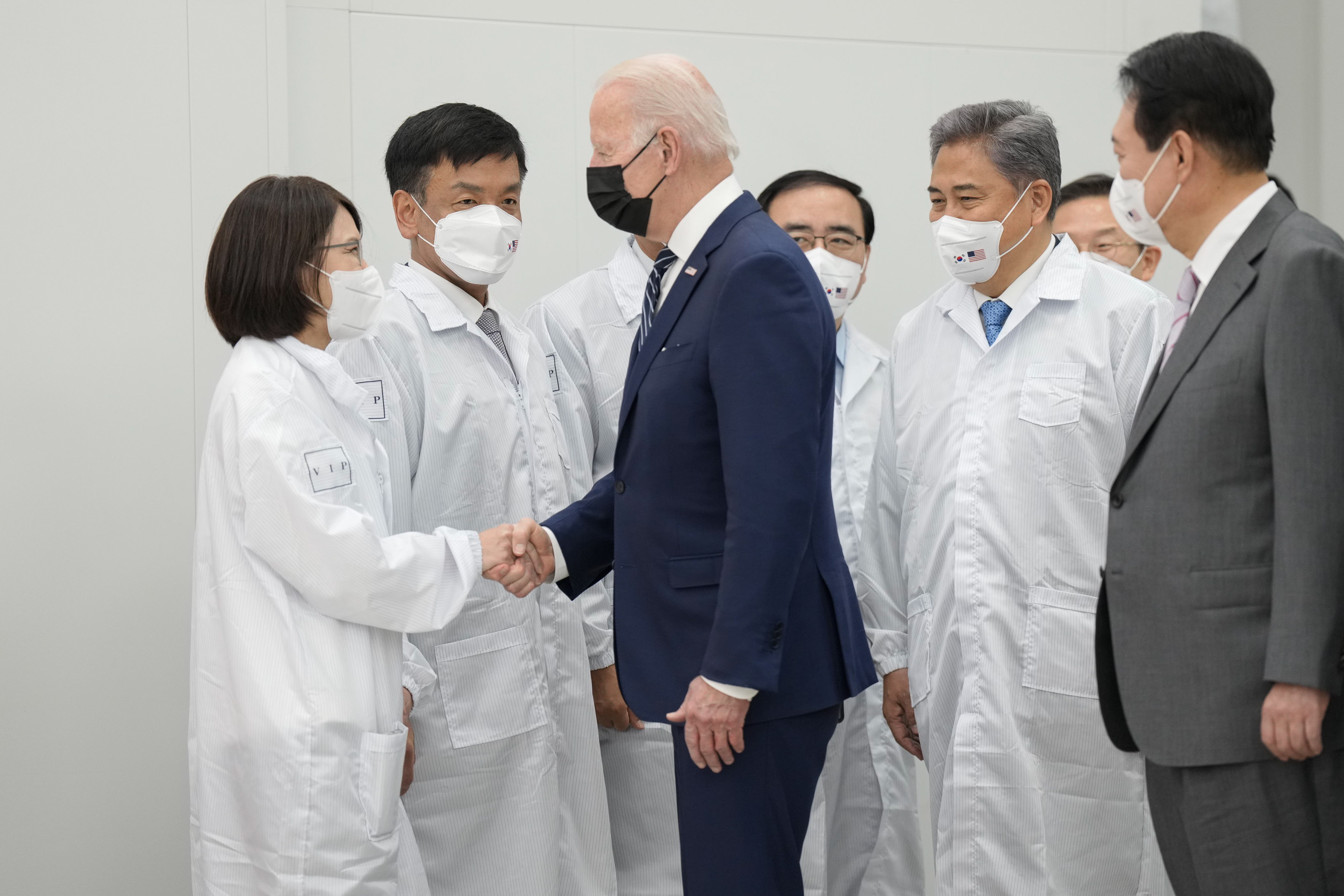
In South Korea, the memory industry found its post-data-center growth story. Counterpoint Research expects DRAM demand from humanoid robots to rise from roughly 8,300 terabits in 2026 to about 172,000 terabits by 2030 — more than twenty times over — with average per-robot capacity doubling from 19 to 39 gigabytes. Samsung and SK Hynix, which together held 83 percent of the high-bandwidth-memory market in the second quarter, want the AI playbook to repeat in robotics.
Europe: sovereign silicon, poured in concrete
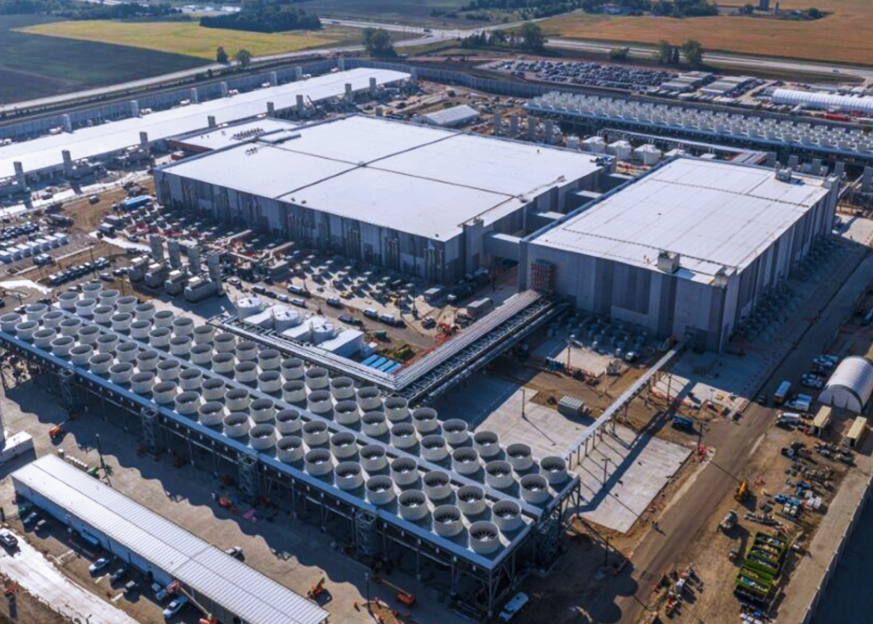
In Dresden, GlobalFoundries topped out its €1.1 billion SPRINT fab expansion and unveiled FDX Fusion, a 7-nanometer-class FD-SOI platform for what the industry calls Physical AI — chips that sense, think, act, and communicate. Target: more than one million 300mm wafers a year by the end of 2028, which the company says would make Dresden Europe’s largest foundry site. Development of the new platform still needs German federal approval — a reminder that industrial policy now moves at the speed of parliaments.
The Middle East: the gigawatt build-out
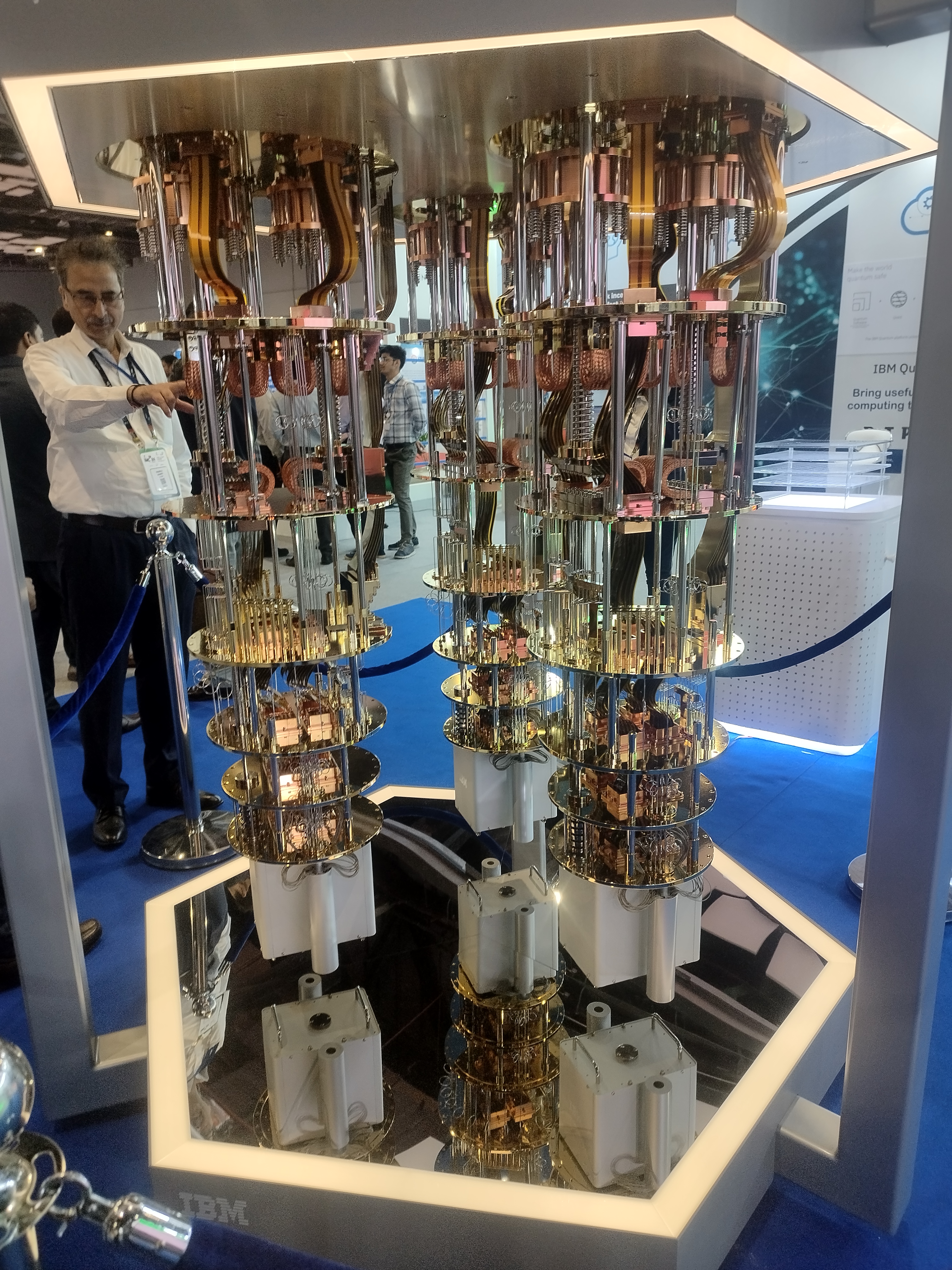
Microsoft committed more than $10 billion through 2030 across the UAE, Saudi Arabia, Qatar, and Kuwait — cloud, AI infrastructure, and connectivity, framed explicitly around digital resilience and sovereignty. S&P Global’s early-October analysis put the physical scale beneath the announcement: Middle East data-center capacity tripling by 2030, with the UAE and Saudi Arabia adding 2 to 3 gigawatts of IT power, and the 5-gigawatt UAE–US AI Campus rising through the Stargate program.
North America: quantum gets its factory money
Washington’s October quantum package — about $350 million, split between roughly $200 million in new DARPA funding and a conditional $150 million loan for PsiQuantum’s Milpitas “PsiFactory” — marked a shift in how governments fund deep tech: less prize money for papers, more capital for manufacturing. DARPA’s Quantum Benchmarking Initiative moved Atom Computing, Diraq, IBM, and IonQ into Stage C, where government teams verify whether proposed machines can actually be built. The target: utility-scale quantum computing by 2033.
Latin America: data as infrastructure
In Uruguay-born, Brazil-scaled Scanntech, investors led by L Catterton put approximately $180 million behind a thirty-three-year-old company that turns supermarket scanner data into commercial intelligence — processing information associated with more than R$1 trillion in annual retail sales. The deal’s structure was the story: roughly half the sum was secondary, buying out early backers like Warburg Pincus, in a market learning to manufacture liquidity without IPOs.
The pattern
Five continents, one through-line: 2026 was the year compute went physical. Memory for machines that move. Fabs for chips that sense. Data centers as energy infrastructure. Factories for quantum hardware. Checkout data as a moat. The cloud didn’t disappear — it just stopped being the whole story.
Keep reading
More from the filing cabinet.
Technology · Evergreen · Global · the adoption curve
The S-Curve: Why Technologies Arrive Slowly, Then All at Once
Every technology feels inevitable after the fact. The most useful model of how adoption actually unfolds is more than sixty years old — and still explains why the future arrives late, then early.
Technology · Evergreen · Global · the instruction set
Open Source Comes to Silicon: The RISC-V Explainer
The most important layer of the computer is the one nobody sees. For sixty years it was proprietary. A 2010 summer project at Berkeley set out to change that.
Business · Evergreen · Global · the valuation
What “Unicorn” Actually Means: A Field Guide to Startup Valuations
The most overused word in venture capital began as a statistical joke about rarity. Reading it properly means understanding what a valuation is — and isn’t.