
DISRUPTIVE / FEATURES / RETROSPECTIVE
FILE Nº 008
Features · Retrospective
The Year Compute Went Physical
2026 was the year the chip industry stopped designing for the cloud and started building for the world of atoms — robots, factories, and machines that sense, think, act, and communicate.

For a decade, the technology industry’s imagination lived inside the data center. The defining stories of 2026 were about compute leaving it — moving into robots, factories, vehicles, and power grids. Call it Physical AI, edge computing, or simply the world of atoms: the industry’s center of gravity shifted this year from bits to things.
Chips that sense, think, act, and communicate
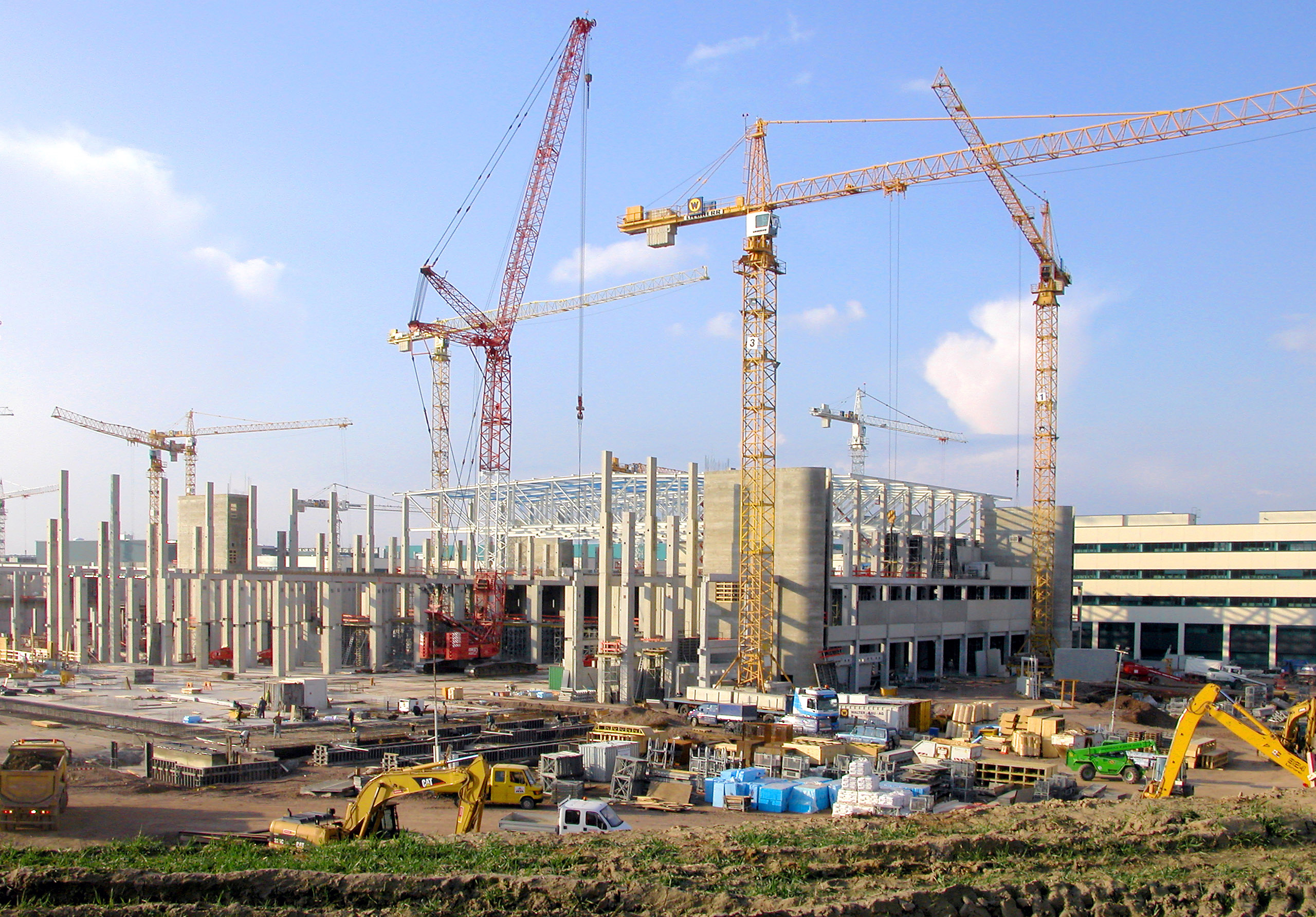
The clearest statement came from Dresden. GlobalFoundries’ FDX Fusion — a 7-nanometer-class FD-SOI platform unveiled alongside the topping-out of the company’s €1.1 billion SPRINT fab expansion — is designed explicitly for STAC workloads: Sense, Think, Act, Communicate. One technology for processing, sensing, real-time control, and secure connectivity: the silicon stack for machines that operate in the physical world rather than the cloud.
Memory for machines that move
The demand story followed the same migration. Counterpoint Research’s October forecast has DRAM for humanoid robots rising from about 8,300 terabits this year to 172,000 terabits by 2030 — a twentyfold increase driven by real-time sensor fusion and on-device AI. After the data-center boom made high-bandwidth memory the industry’s growth engine, the robot is auditioning to be the next one. Samsung and SK Hynix are building for it.
Data centers as energy infrastructure
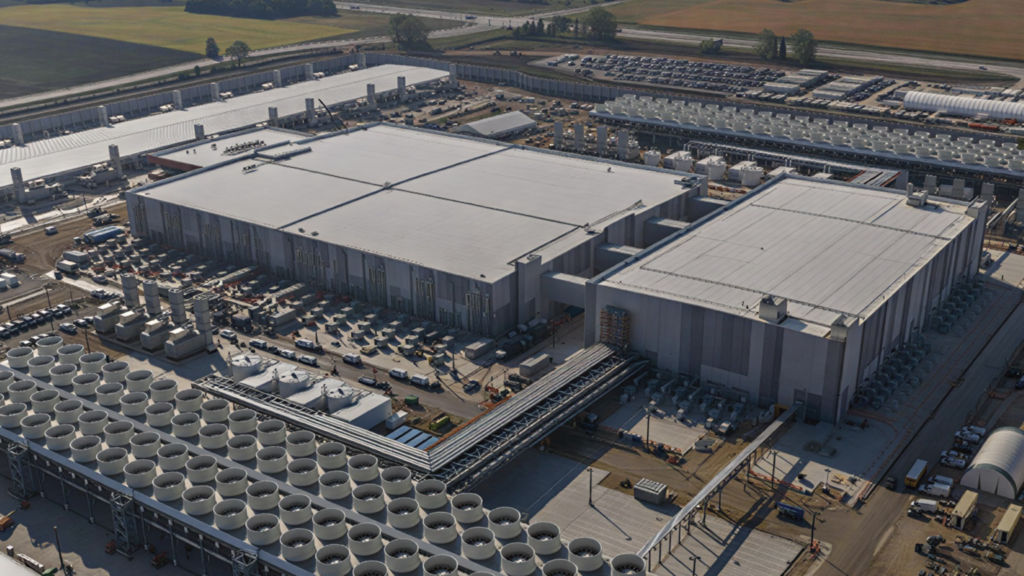
Even the data center itself went physical this year. In the Gulf, Microsoft’s $10 billion-plus framework and S&P Global’s forecast of 2 to 3 gigawatts of new IT power by 2030 recast data centers as what they have always been: very large, very steady consumers of electricity — anchor demand around which power systems get built. Compute is no longer just a tenant of the grid; it is a reason to expand it.
Quantum grows a factory
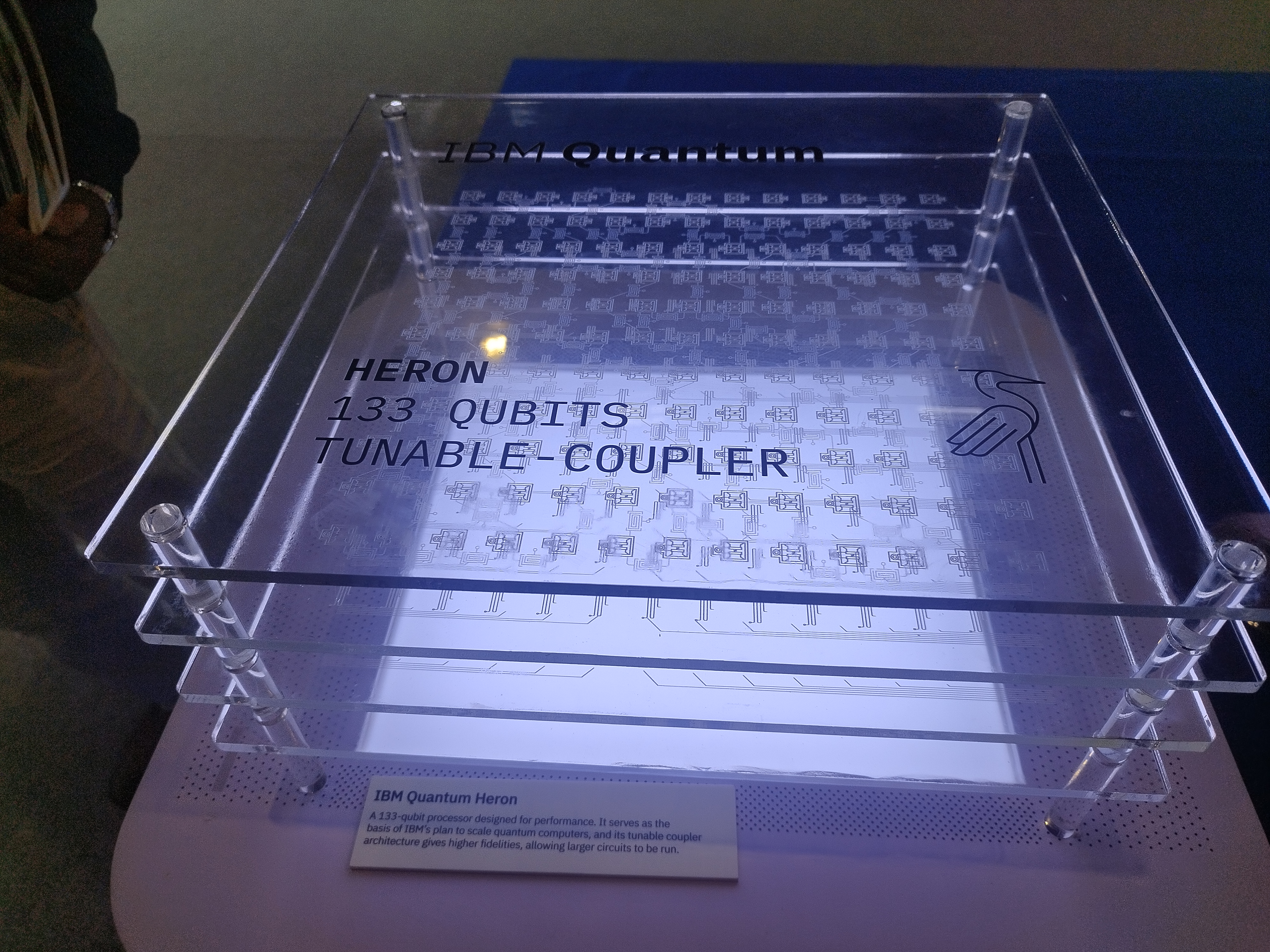
And in the United States, the year’s biggest quantum announcement was not a paper but a building: the Pentagon’s conditional $150 million loan for PsiQuantum’s 140,000-square-foot “PsiFactory” in Milpitas, part of a $350 million package that also pushed four more companies into DARPA’s final hardware-verification stage. “Stage C is where we begin moving from plans to proof,” DARPA’s Micah Stoutimore said — as good a summary of 2026’s industrial mood as any.
The through-line
The through-line is not a single technology. It is a direction: value migrating from software that lives nowhere to systems that live somewhere — in a fab in Saxony, a warehouse robot’s memory bus, a gigawatt campus in the desert, a cryogenic test hall in California. The cloud didn’t disappear in 2026. It just stopped being the whole story.
Keep reading
More from the filing cabinet.
Technology · Evergreen · Global · the instruction set
Open Source Comes to Silicon: The RISC-V Explainer
The most important layer of the computer is the one nobody sees. For sixty years it was proprietary. A 2010 summer project at Berkeley set out to change that.
Business · Evergreen · Global · the valuation
What “Unicorn” Actually Means: A Field Guide to Startup Valuations
The most overused word in venture capital began as a statistical joke about rarity. Reading it properly means understanding what a valuation is — and isn’t.
Design · Evergreen · Global · the trade system
The Box That Shrank the World: How the Container Remade Trade
The most disruptive object of the twentieth century is a steel box with no moving parts. Its inventor wasn’t a sailor — he was a trucker who hated waiting.