
DISRUPTIVE / INNOVATION / EVERGREEN
FILE Nº 030
Innovation · Evergreen
Three Scientists, One Battery: The Forty-Year Relay Behind Lithium-Ion
An oil company's lab, an Oxford professorship, and a Japanese chemical firm passed a single idea between them for two decades. In 2019 it won the Nobel Prize — and it now powers the world.
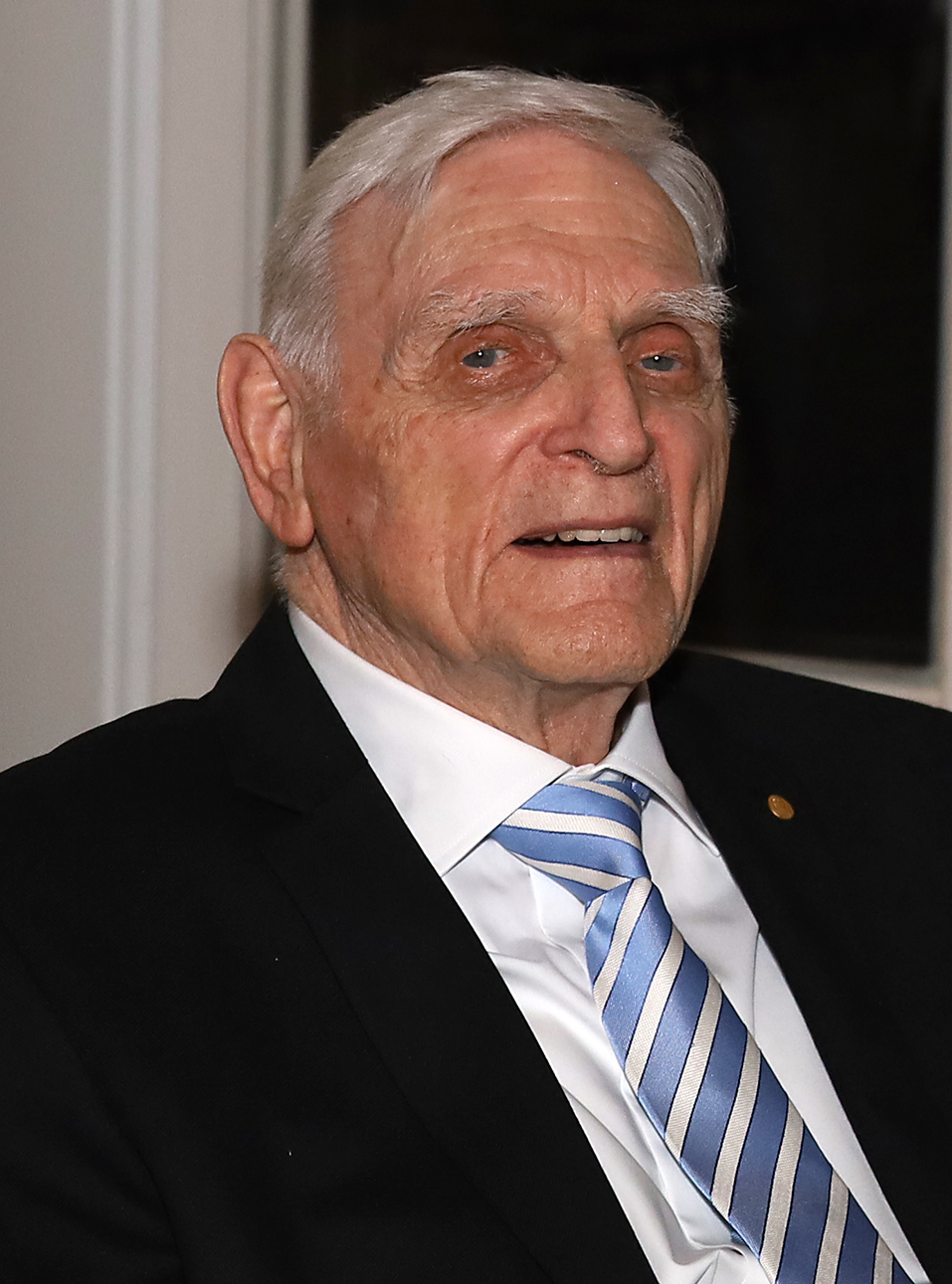
The lithium-ion battery was not invented. It was relayed — built in three legs by three men who never worked together, across two decades and three countries, each solving the problem the previous one had left behind. In 2019, the Nobel Prize in Chemistry went to all three: M. Stanley Whittingham, John B. Goodenough, and Akira Yoshino, “for the development of lithium-ion batteries.”
The first leg ran at an oil company. In the 1970s, at Exxon, Whittingham built the first functional rechargeable lithium battery: a cathode of titanium disulfide, whose layered structure could host lithium ions, paired with a lithium-metal anode. It worked — at about two volts, and with a dangerous flaw. Metallic lithium is reactive; over repeated charging, whiskers of lithium could grow across the battery and short it, sometimes explosively.

The Oxford improvement
The second leg ran at the University of Oxford. In 1980, Goodenough reasoned that a metal oxide cathode, rather than a sulfide, would accept a higher voltage — and demonstrated a cobalt oxide cathode that produced as much as four volts, roughly doubling the battery's potential. It was the breakthrough that made lithium-ion powerful enough to matter.
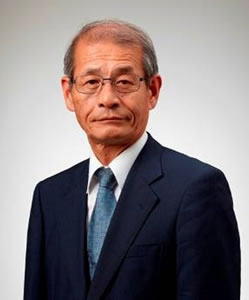
But the anode problem remained. The third leg ran at Asahi Kasei in Japan, where Yoshino, in 1985, replaced the reactive lithium metal with petroleum coke — a carbon material that, like the cathode, could host lithium ions passing back and forth. The battery became lighter, safer, and durable enough to sell. Yoshino's design was the first commercially viable lithium-ion battery, and in 1991 Sony brought it to market.
Why the relay matters
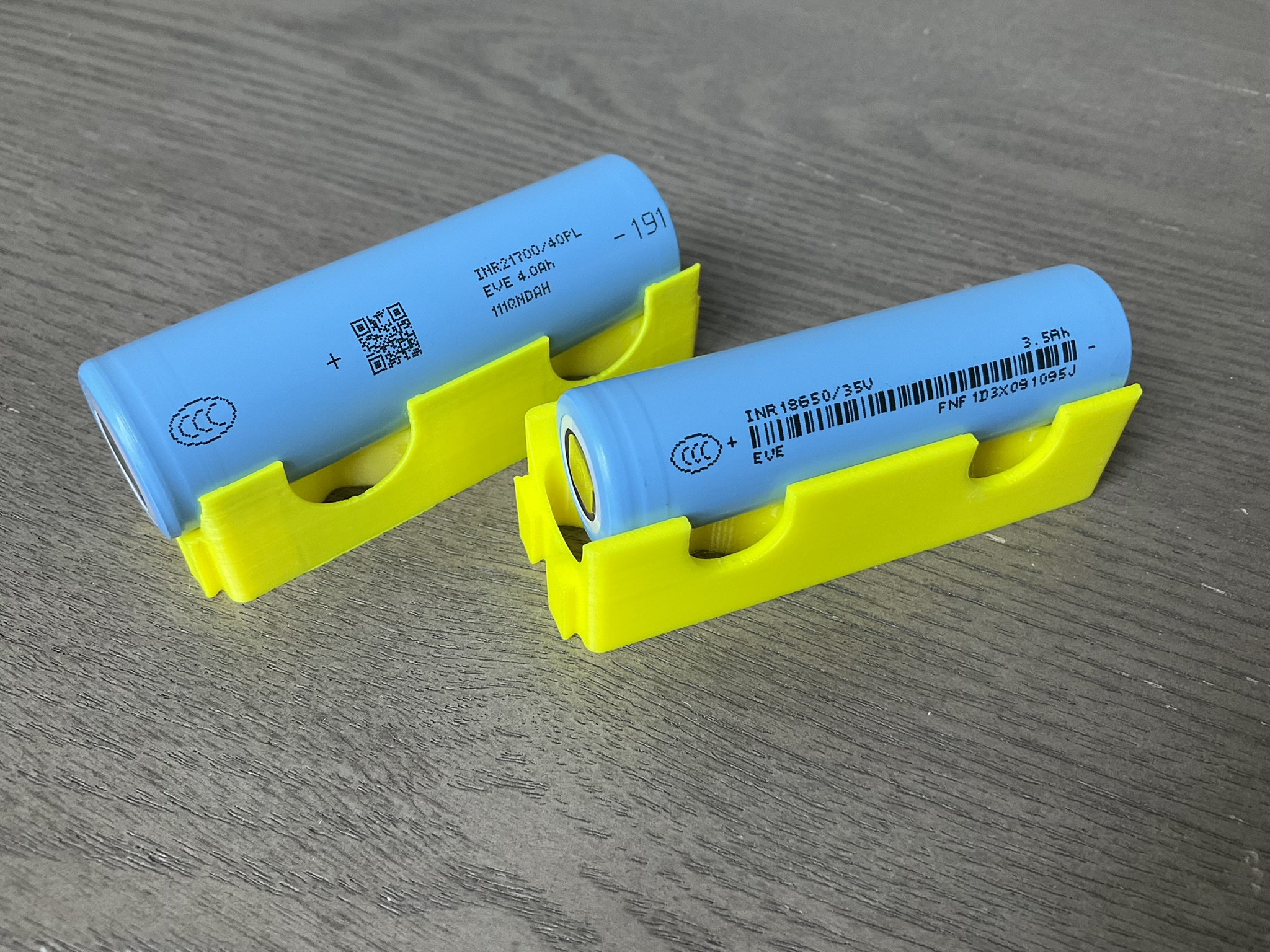
The consequences need no embellishment: the battery that resulted untethered consumer electronics, made the modern smartphone possible, and now stores the output of wind and solar farms and drives the electric vehicle fleet. The Nobel committee's summary was plain — the laureates had created a rechargeable world.
Goodenough was 97 when the prize was announced, the oldest laureate in Nobel history — a fitting footnote for a technology whose lesson is patience. No single laboratory could have shipped the lithium-ion battery in a product cycle. It took an oil major's curiosity, a university's insight, and a chemical company's engineering, in sequence, over forty years. Disruption is usually told as a lightning strike. This one was a relay race — and the baton was an idea each runner improved before passing on.
Keep reading
More from the filing cabinet.
Technology · News · Europe · Dresden, Germany
Dresden’s Billion-Euro Bet on Chips for the Physical World
GlobalFoundries has topped out its €1.1 billion SPRINT fab expansion and unveiled FDX Fusion — a chip platform designed for what the industry now calls Physical AI.
Business · News · Middle East · Gulf states
Microsoft’s $10 Billion Gulf Framework: the AI Build-Out Goes Sovereign
Redmond’s decade-long commitment to the UAE, Saudi Arabia, Qatar, and Kuwait is about more than capacity — it is about who controls the region’s AI infrastructure.
Innovation · News · North America · United States
Washington’s $350 Million Quantum Wager: From Blueprints to Hardware
DARPA advanced four more companies to the final stage of its Quantum Benchmarking Initiative, while the Pentagon lined up a conditional $150 million loan for PsiQuantum’s factory.