
DISRUPTIVE / INNOVATION / NEWS
FILE Nº 033
Innovation · News
Quantum’s Bottleneck Is a Classical Computer: IBM, Oak Ridge and AMD Build the Room Where They Meet
A new co-design platform in Poughkeepsie pairs IBM’s 120-qubit Nighthawk processors with Oak Ridge’s AMD-powered Umbra supercomputer, so researchers can attack quantum error correction with the quantum and classical machines in the same room.
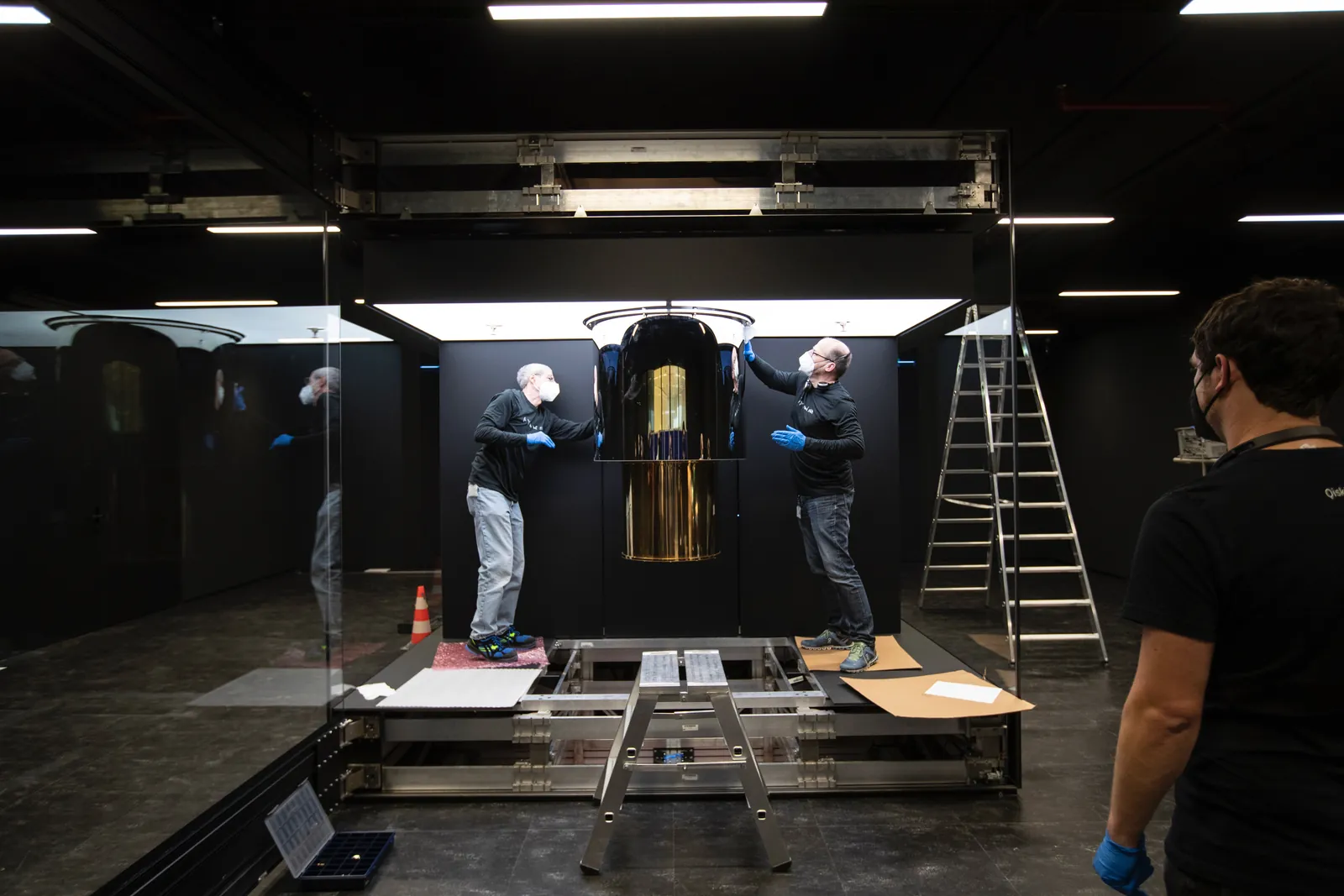
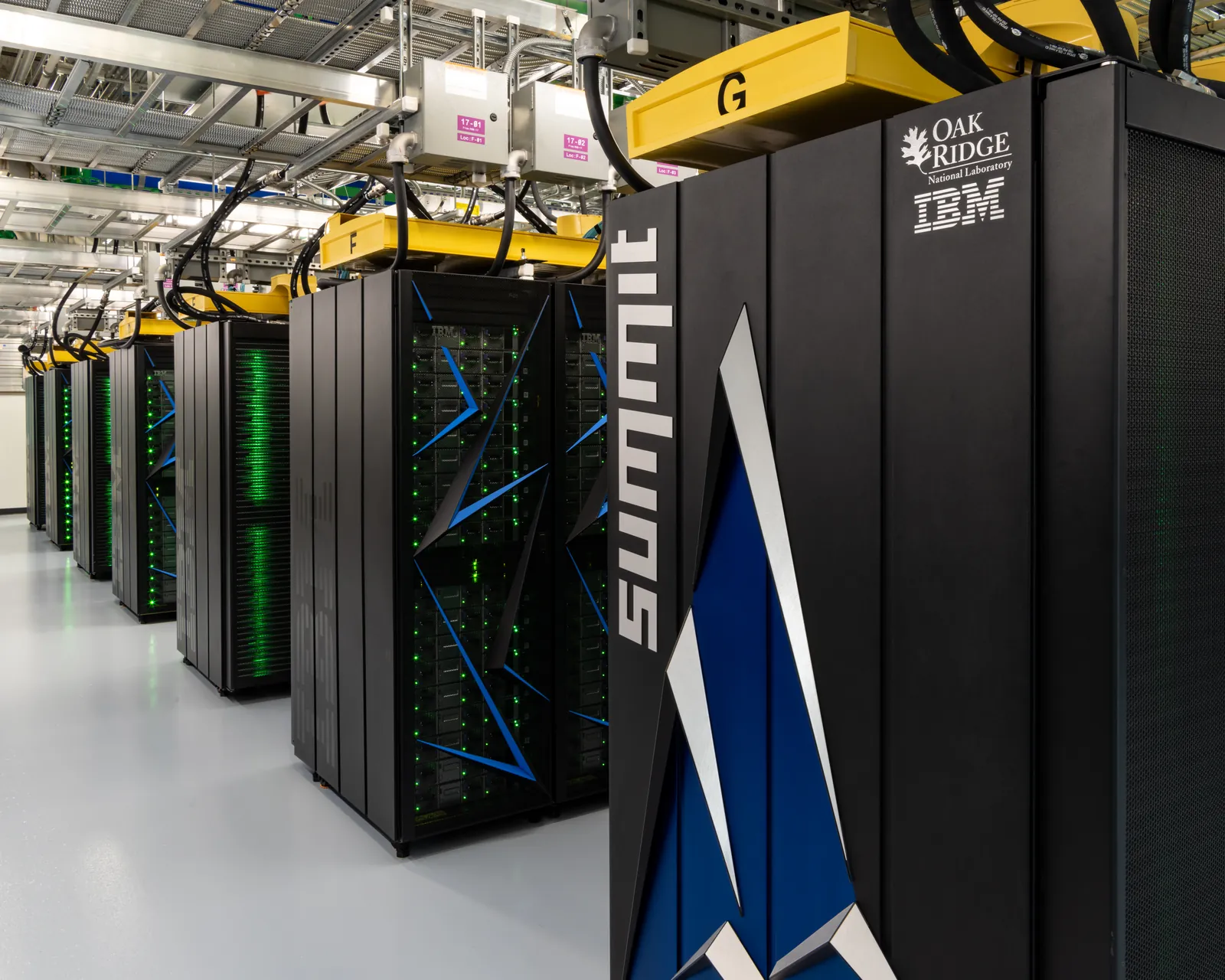
IBM, the U.S. Department of Energy’s Quantum Science Center at Oak Ridge National Laboratory, and AMD unveiled a co-design platform for quantum error correction on 5 November 2026. The platform sits at IBM’s site in Poughkeepsie, New York, and its first deployment co-locates IBM quantum computers, including its 120-qubit Quantum Nighthawk processor, with Umbra, the Quantum Science Center’s high-performance computing system, built on AMD Instinct MI355X GPUs and 5th Gen AMD EPYC CPUs. The Quantum Science Center and AMD are the platform’s inaugural partners.
The decoder problem
Quantum error correction exists because qubits, the units of quantum computation, make errors. An error-correcting code trusts no single qubit: it distributes the information over a group of physical qubits and interrogates the group again and again, hunting for the fingerprints of faults; a classical computer then reads the results of each round of checks and works out which errors occurred. The software that does that job is called a decoder, and IBM’s own account of the platform is blunt about the constraint: the decoder has to keep up with the quantum processor. It is fast, demanding, computationally intensive work, and until now the machines doing it have rarely shared a building with the quantum hardware. Researchers typically reach a quantum computer through the cloud, run the classical work somewhere else, and stitch the two together across separate interfaces, with every handoff adding delay.

“Solving the challenges of quantum error correction is essential to making quantum computing a practical tool for scientific discovery”
, Travis Humble, Director of the Quantum Science Center at Oak Ridge National Laboratory
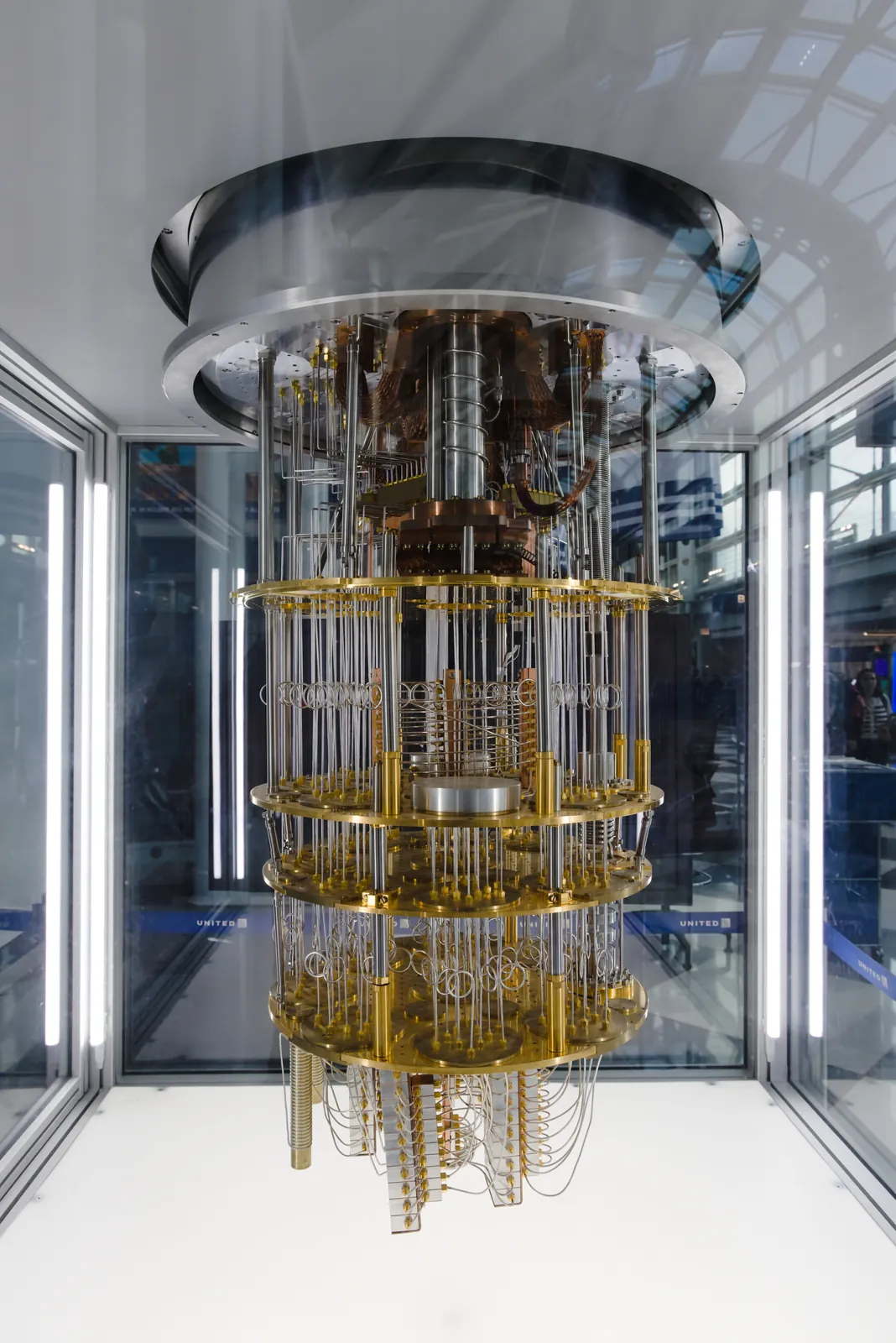
Co-location is the platform’s whole argument. With ORNL’s classical hardware beside the IBM processors, researchers get the low-latency quantum-classical execution that decoding and conditional operations need: a quantum program can measure qubits mid-calculation, act on the result in real time, and feed one layer of error correction into the next. IBM highlights one approach the platform is built to test, hierarchical error correction, which layers an inner code protecting qubits inside a module under an outer code wrapping the inner code’s logical qubits. IBM research suggests a machine built this way could sustain a trillion logical operations while its physical qubits go wrong only once in every thousand operations, provided the classical computing underneath it is powerful enough, which is precisely what the platform is there to measure.
A 230-fold gap, stated plainly
The announcement is unusually specific about the distance still to travel. The work feeds the Department of Energy’s Genesis Mission, whose Q Competition targets a scientifically relevant quantum computer: 100 logical qubits running 100,000 hard operations by late 2028. IBM states that experiments so far have run up to 70 logical qubits through 438 such operations. By IBM’s own arithmetic, the competition target is a roughly 230-fold jump from that mark. The platform’s results will also feed Starling, the fault-tolerant system IBM has promised for 2029.
“the question is how to accelerate and optimize error correction”
, Jay Gambetta, Director of IBM Research
“The next era of computing will bring the new quantum paradigm together with decades of innovation across the classical hardware and software ecosystem”
, Mark Papermaster, Chief Technology Officer, AMD
On the quantum side, the platform runs Nighthawk r2 processors, which IBM describes as offering square-lattice connectivity, high circuit throughput and real-time pulse control, with raw measurement signals open to researchers. On the classical side, Umbra’s GPUs let teams train and evaluate decoders at large scale. No funding figures or commercial terms were disclosed with the announcement. The disruption to watch is architectural: the centre of gravity in quantum computing is shifting from the qubit count on a slide to the hybrid machine, quantum processor, GPUs and CPUs engineered as one system, and this platform is a shared room where that machine gets designed.
Keep reading
More from the filing cabinet.
Science · Retrospective · North America · United States
Viking at Fifty: The Summer NASA Landed on Mars, Twice, and Asked Whether Anything Lived There
Fifty years ago two identical spacecraft landed on Mars seven weeks apart, returned the first photographs from its surface, and ran the only direct search for life ever flown. The answer they brought back is still being argued with.
Technology · Explainer · Asia · Japan
The Train That Floats on Cold: How Japan’s Superconducting Maglev Works
JR Central’s SCMaglev carries its magnets at minus 269 degrees, floats ten centimetres above its guideway, and holds the world rail speed record at 603 km/h. With the Shizuoka Alps tunnel approved in July 2026, the line it was built for is unblocked at last.
Technology · News · Europe · Dresden, Germany
Dresden’s Billion-Euro Bet on Chips for the Physical World
GlobalFoundries has topped out its €1.1 billion SPRINT fab expansion and unveiled FDX Fusion, a chip platform designed for what the industry now calls Physical AI.