
DISRUPTIVE / BUSINESS / NEWS
FILE Nº 028
Business · News
Helion Raised $500 Million to Put Fusion Power on the Grid by 2028
The Everett startup's Series G closed oversubscribed at $500 million, valuing Helion at $15.5 billion — capital pointed at a single promise: fusion electricity for Microsoft in 2028.
Helion has closed its Series G at $500 million — upsized from an initial $465 million announced June 4, oversubscribed, and capped despite additional investor interest, the company confirmed in September. The round, led by Thrive Capital, values the Everett, Washington fusion company at $15.5 billion post-money and brings its total funding to about $1.5 billion.
New investors Alta Park Capital, Anti Fund, BoxGroup, Lux Capital, Peak XV Partners, and Ford Motor Company executive chairman Bill Ford joined existing backers including Capricorn Technology Impact Funds, Lightspeed Venture Partners, Mithril Capital, Dustin Moskovitz's Good Ventures Foundation, SoftBank Vision Fund 2, and a university endowment fund.
“Fusion is no longer a future idea, but a path to clean, reliable, affordable always-on electricity at scale. This funding accelerates our ability to deliver on that promise.”
— David Kirtley, CEO of Helion
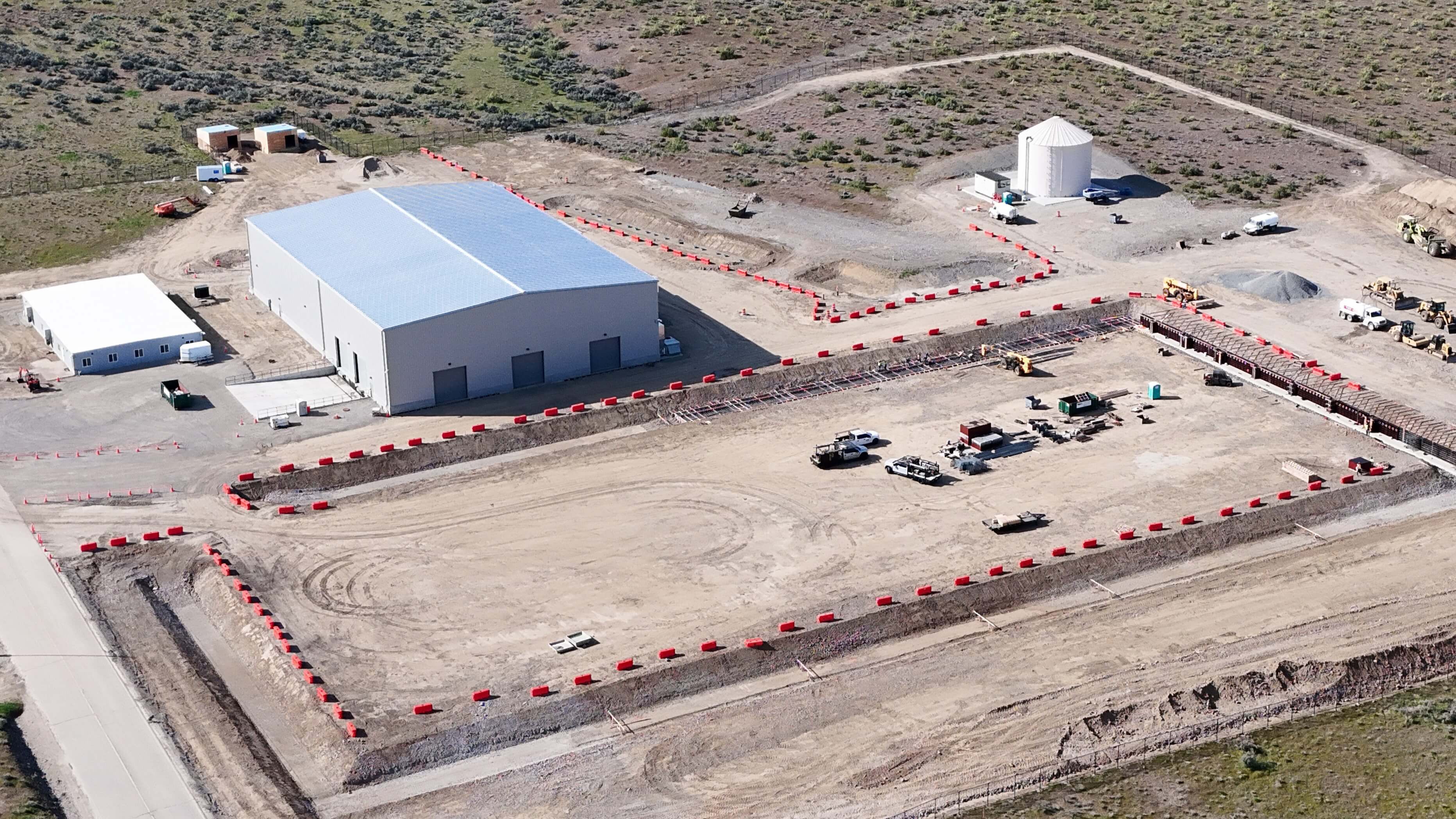
The money has one destination: Orion, Helion's first power plant, rising in Malaga, Washington — a 50-megawatt machine intended to supply Microsoft under a power purchase agreement signed in 2023, the first commercial fusion PPA ever struck, with deliveries slated to begin in 2028. In June, Helion also became the first fusion company to clear the Washington state regulatory licenses — radioactive materials and air emissions — needed to build and operate such a plant.
A different machine, a nearer deadline
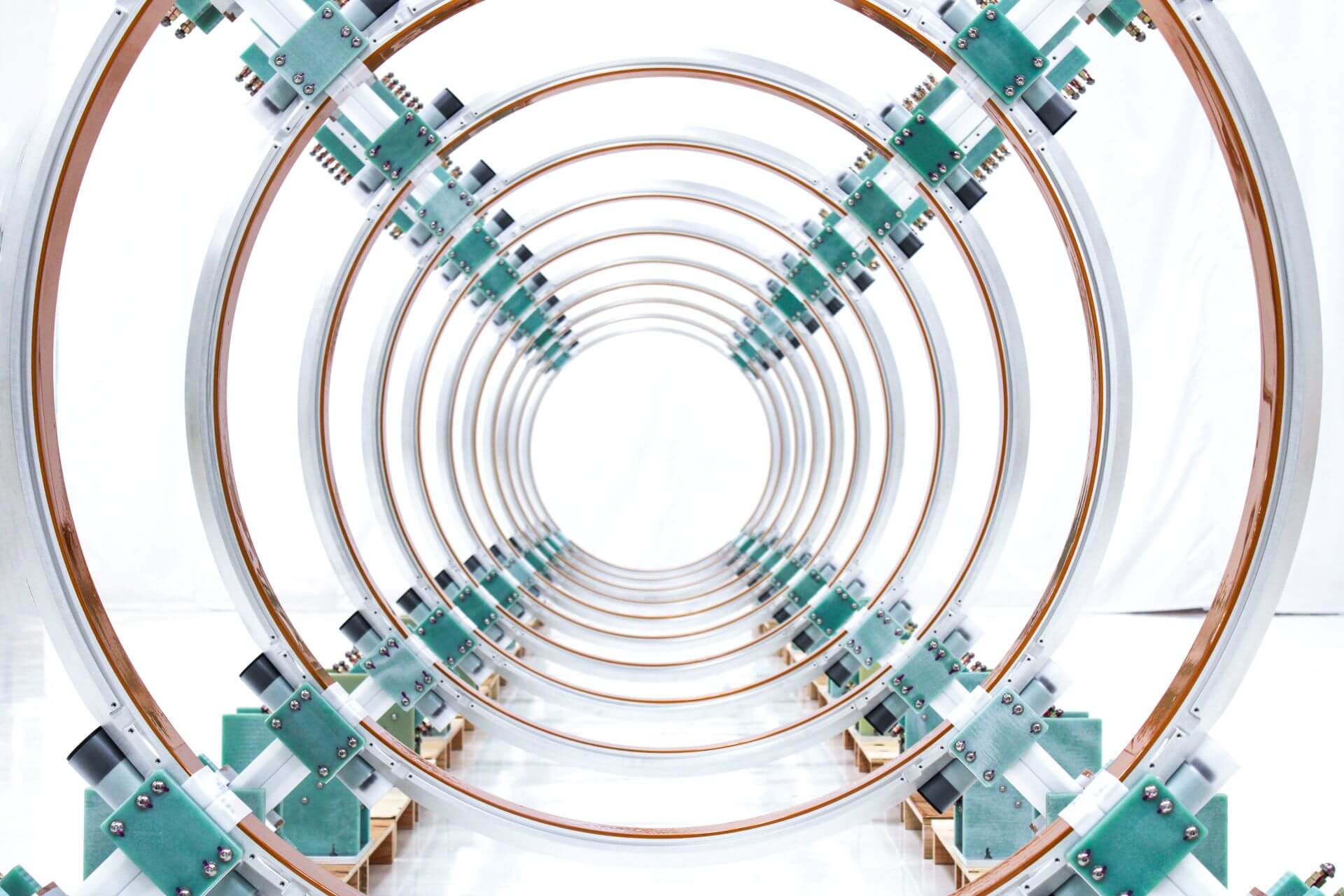
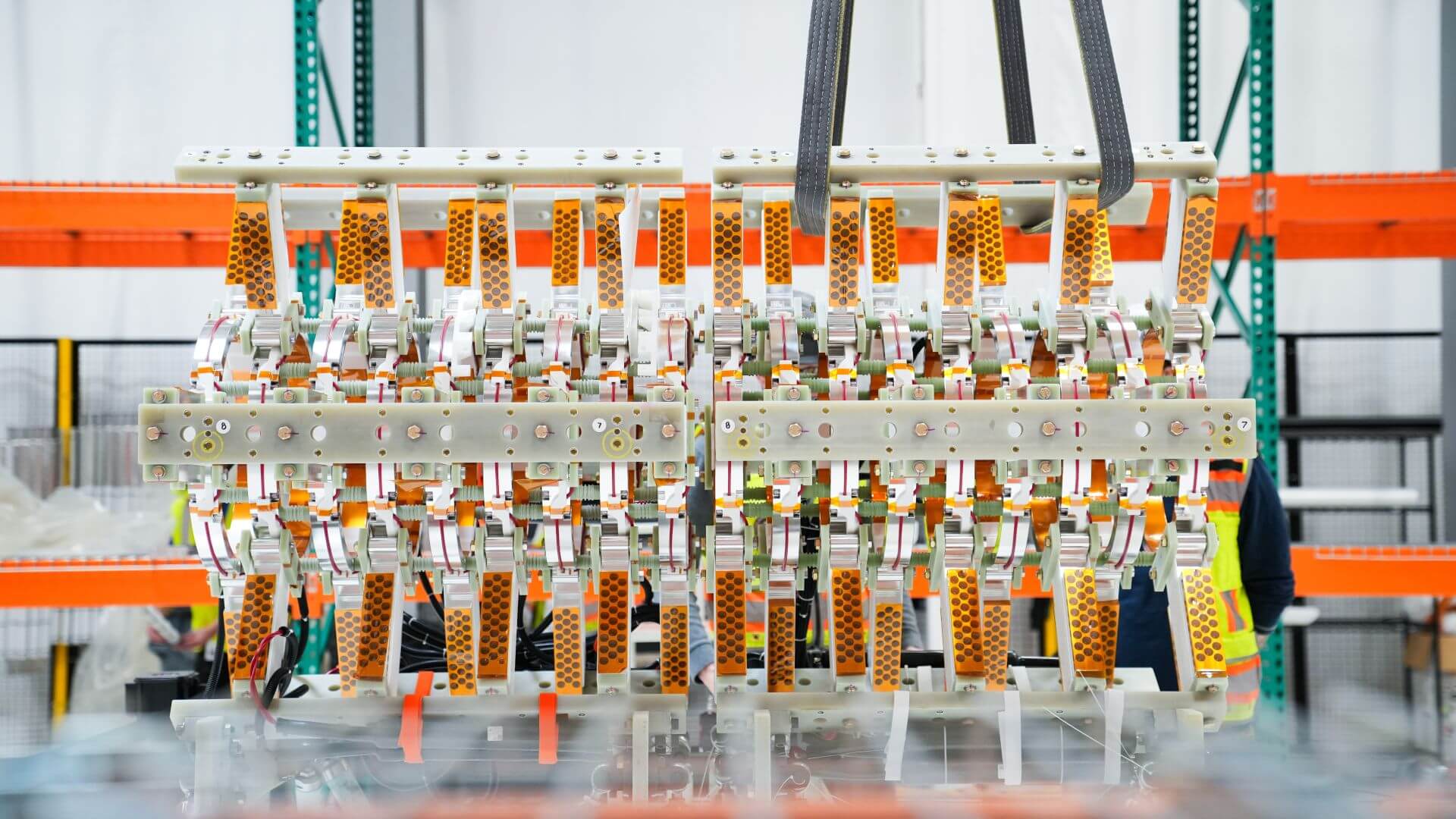
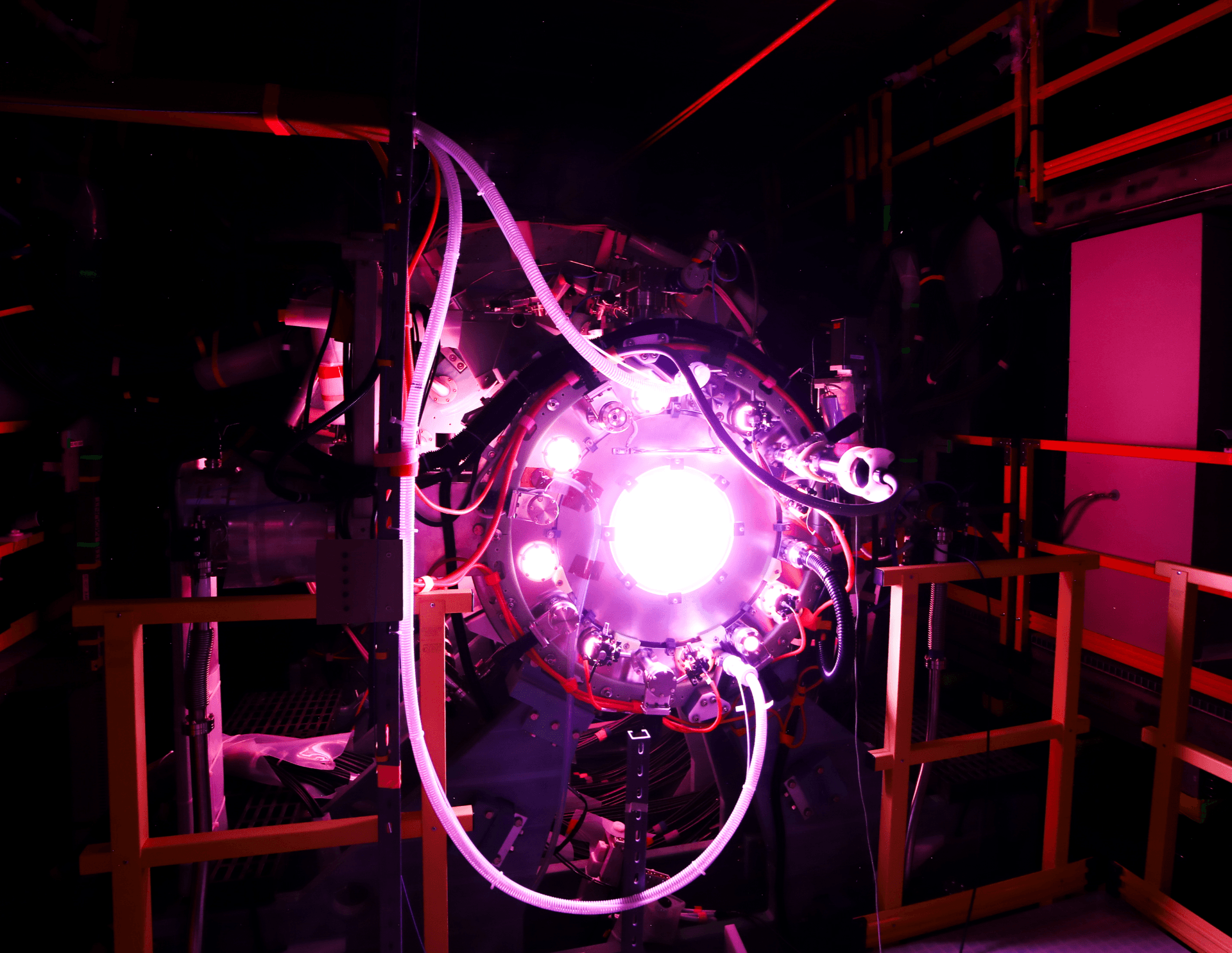
Helion's approach diverges from the tokamaks most of the industry is building. Its pulsed, field-reversed-configuration device compresses plasma magnetically and aims to recover electricity directly from the magnets as the plasma expands — no steam turbine in the loop. In February 2026, its seventh prototype, Polaris, demonstrated measurable deuterium-tritium fusion and reached plasma temperatures of 150 million degrees Celsius.
The skepticism is structural, and Helion's investors know it: no fusion device has yet delivered net electricity to a grid, and 2028 is close enough to grade. But that is also the disruption. A power plant with a named customer, a signed PPA, state licenses in hand, and half a billion dollars of fresh capital is no longer a science project with a funding round — it is a construction project with a deadline. Fusion's long bet is being repriced accordingly.
Keep reading
More from the filing cabinet.
Innovation · Evergreen · Global · the battery
Three Scientists, One Battery: The Forty-Year Relay Behind Lithium-Ion
An oil company's lab, an Oxford professorship, and a Japanese chemical firm passed a single idea between them for two decades. In 2019 it won the Nobel Prize — and it now powers the world.
Business · News · Asia · South Korea
Humanoids Are Becoming the Memory Industry’s Next Growth Engine
Counterpoint Research expects DRAM demand from humanoid robots to rise more than twentyfold by 2030 — and Samsung and SK Hynix want the AI data-center playbook to repeat.
Technology · News · Europe · Dresden, Germany
Dresden’s Billion-Euro Bet on Chips for the Physical World
GlobalFoundries has topped out its €1.1 billion SPRINT fab expansion and unveiled FDX Fusion — a chip platform designed for what the industry now calls Physical AI.