
DISRUPTIVE / TECHNOLOGY / NEWS
FILE Nº 031
Technology · News
Chennai’s Driverless Era Begins as Metro Phase II Carries Its First Passengers
The first stretch of Chennai Metro Phase II — 11 elevated stations on Corridor 4, served by Alstom’s made-in-India driverless Metropolis trainsets — opened to passengers on 11 October 2026.
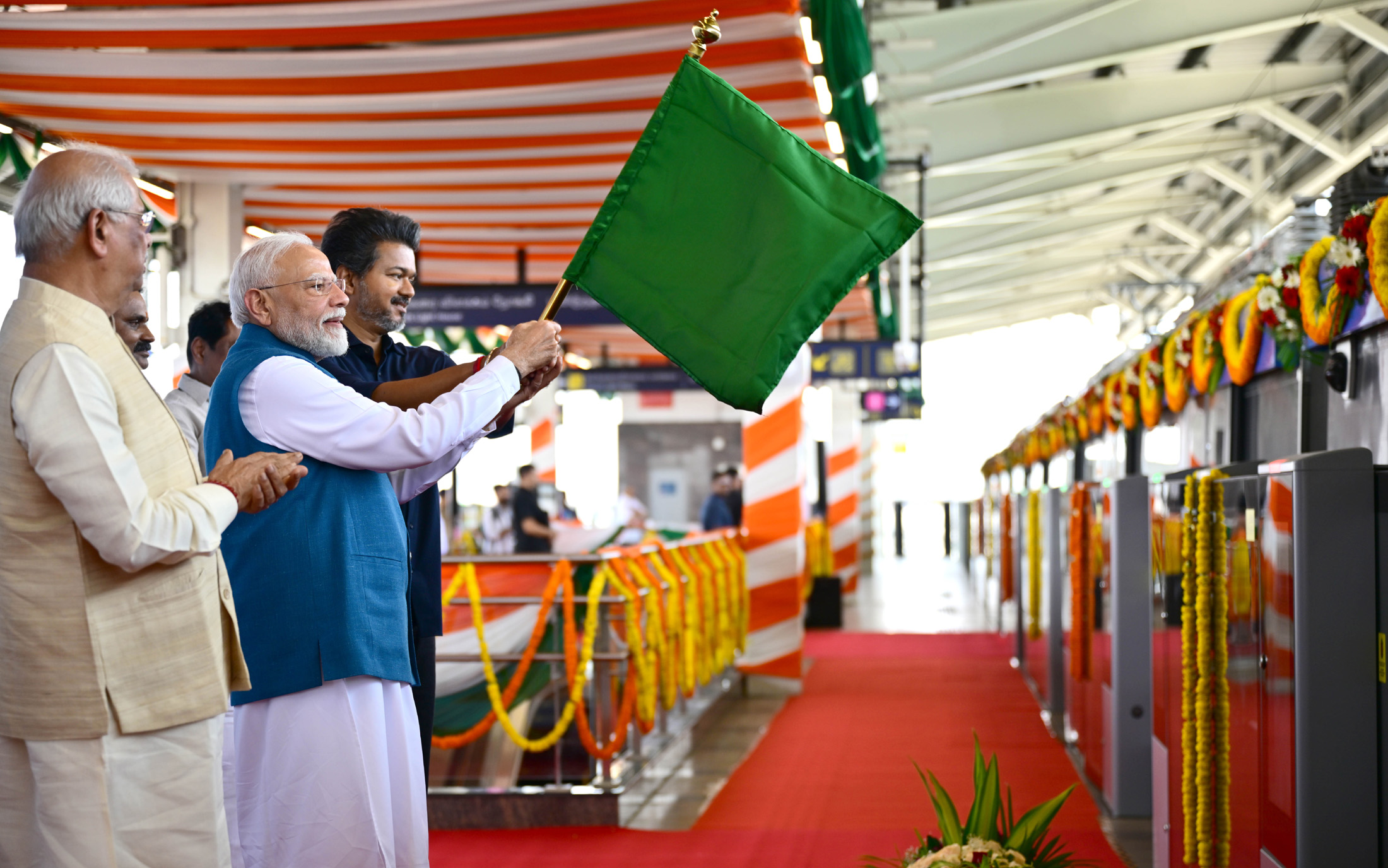
Chennai’s metro grew westward on 11 October 2026, when the first operational stretch of Chennai Metro Rail Phase II was inaugurated and its first train flagged off from Porur Bypass station. Prime Minister Narendra Modi and Tamil Nadu Chief Minister C. Joseph Vijay jointly inaugurated the stretch and rode the inaugural service between Porur Bypass and Poonamallee Bypass.
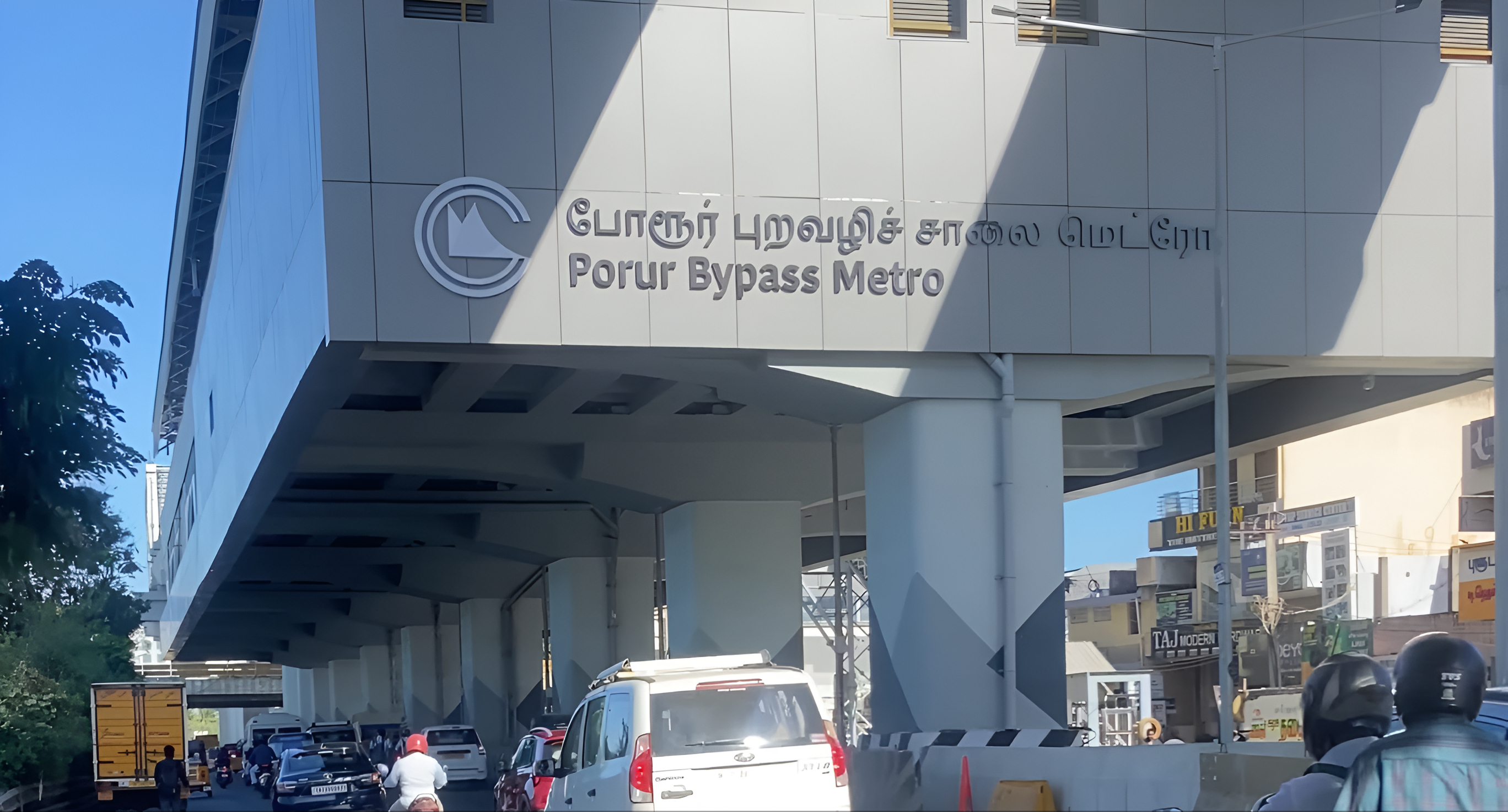
The opened section runs from Poonamallee Bypass to Vadapalani — approximately 14.6 kilometres with 11 elevated stations — built at an estimated cost of around Rs 4,900 crore. It extends the metro into the city’s western suburbs along the Mount-Poonamallee corridor, one of Chennai’s most congested road axes.
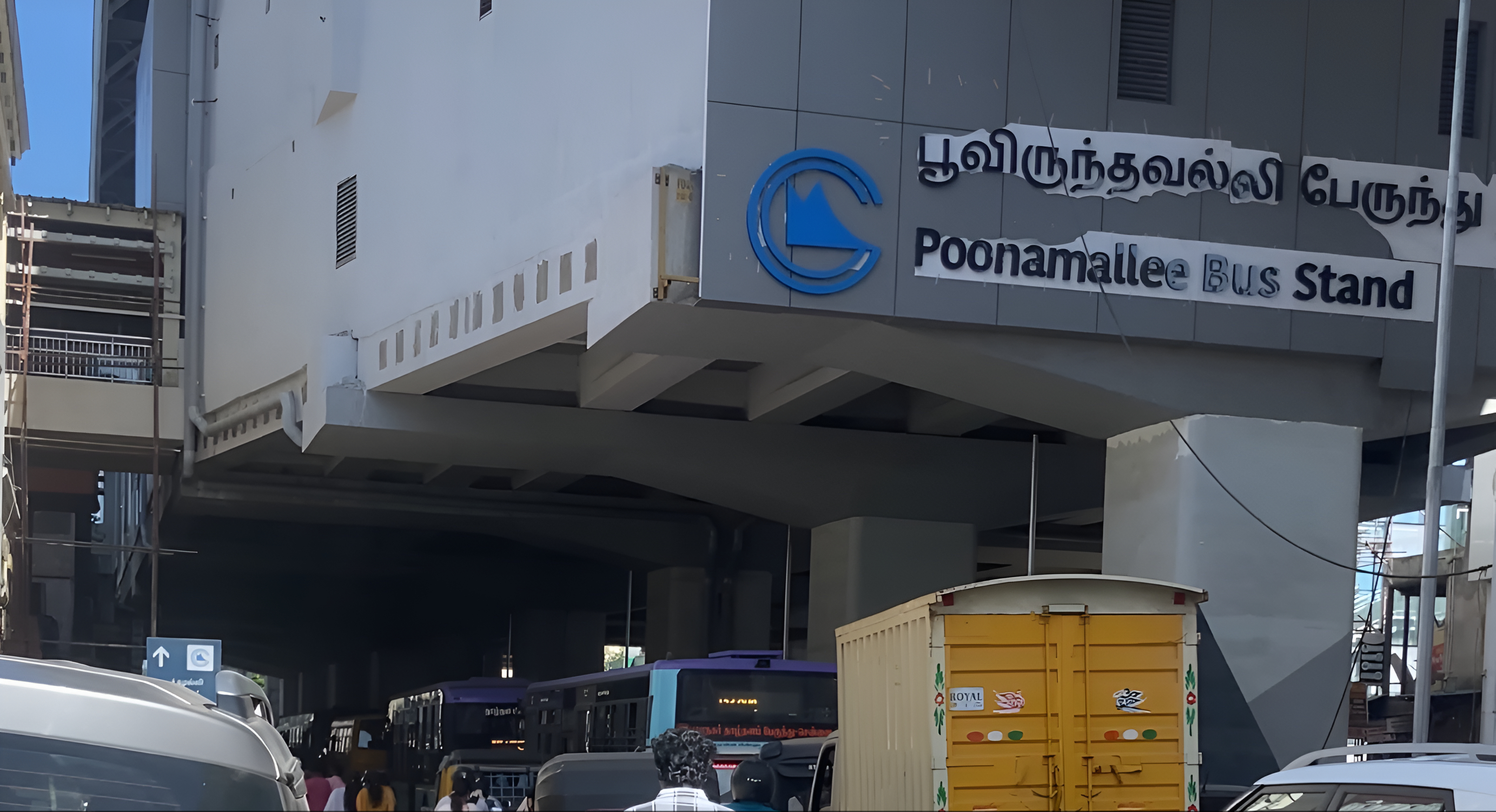
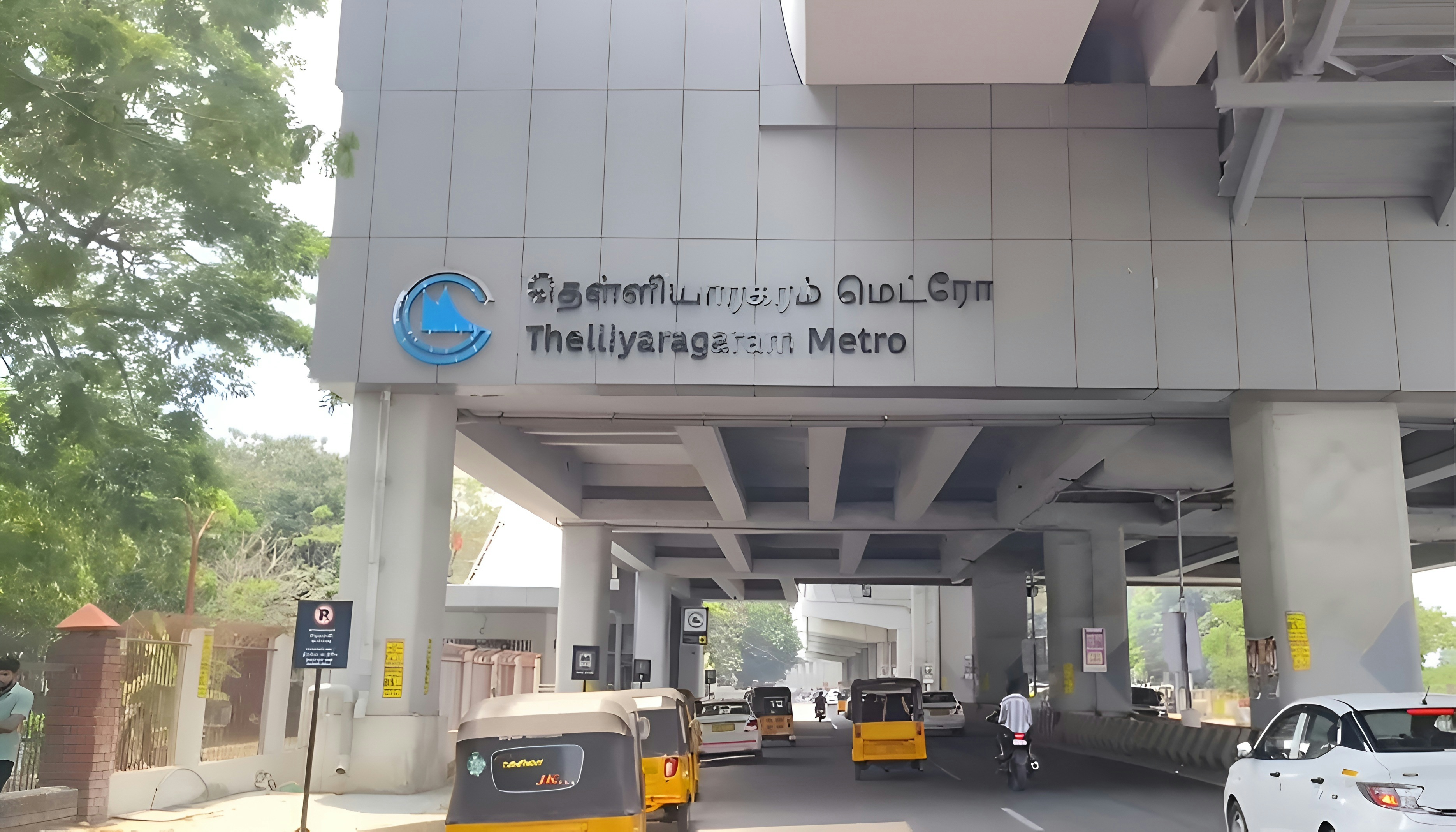
The 11 stations are Poonamallee Bypass, Poonamallee Bus Stand, Poonamallee Government Hospital, Karayanchavadi, Kumananchavadi, Kattupakkam, Iyappanthangal, Thelliyaragaram, Porur Bypass, Porur Junction and Vadapalani, where riders can transfer to the existing Phase I network. Passenger services began at 4 pm on opening day; from 12 October, trains run from 7 am to 9 pm, every 10 minutes in peak hours and every 15 minutes off-peak and on Sundays and public holidays.
Trains designed in Bengaluru, built in Sri City
The trains are Alstom Metropolis trainsets, designed at the company’s Bengaluru engineering centre and manufactured at its Sri City plant in Andhra Pradesh. Alstom announced on 12 October that manufacturing of all 36 trainsets for Corridor 4 — 108 cars in total — is complete. The fleet was supplied under a contract awarded in 2023 and valued at €124 million, covering design, manufacture, supply, testing, commissioning and driver training; the 36th and final trainset is to be delivered by the end of October 2026.
“The commencement of passenger service on Chennai Metro Phase II is a proud moment for Alstom”
— Olivier Loison, Managing Director, Alstom India
Each three-car trainset accommodates up to 1,000 passengers and uses regenerative braking. The design is deliberately local in its references: Alstom says the exterior front mask draws from the mudras of Bharatanatyam, the classical dance form of Tamil Nadu, while interior screen patterns take their geometry from the state’s Kolam art.
Driverless by design, opened in stages
Alstom describes the fleet as driverless Metropolis trainsets, designed and configured for driverless operations at up to 80 km/h. The corridor itself is being completed in stages: it includes a 3.7-kilometre double-decker section, between Porur Junction and Vadapalani, equipped with advanced signalling designed to support driverless train operations — a section whose six stations are not yet operational.
Phase II builds on a long supply relationship. Alstom previously supplied 208 metro cars, plus signalling and power systems, for Chennai’s 54-kilometre Phase I network, and a further 96 driverless Metropolis cars ordered in 2025 are commencing manufacture at Sri City. In full, Corridor 4 will run 26 kilometres from Poonamallee Bypass to Light House across 28 stations — 18 elevated and 10 underground. The disruption here is cumulative rather than sudden: a second Indian megacity corridor where the train, the signalling and the factory are all products of the same domestic industrial base.
Keep reading
More from the filing cabinet.
Technology · Explainer · Europe · Netherlands
How a Container Moves Through a Port With Almost No One Driving: Inside Rotterdam’s Automated Terminals at Maasvlakte 2
At Maasvlakte 2, on land reclaimed from the North Sea, remotely controlled ship-to-shore cranes hand containers to battery-powered driverless vehicles, which hand them to automated stacking cranes — the chain, step by step, terminal by terminal.
Science · Explainer · Europe · Franco-Swiss border
How the Large Hadron Collider Works: A Proton’s Journey Through CERN’s 27-Kilometre Ring
A proton at CERN is not accelerated once but five times, by five different machines, before it enters a ring colder than outer space and collides inside detectors the size of buildings. The journey, stage by stage.
Features · Retrospective · Europe–North America · transatlantic
Concorde at Fifty: The Airliner That Flew at Twice the Speed of Sound — and Outran Its Own Economics
On 21 January 1976 two Concordes lifted off at the same moment, from London and Paris, and passenger flight went supersonic for 27 years. Fifty years on, with NASA’s X-59 supersonic and the FAA rewriting the rule that confined Concorde to the oceans, the question it posed — how much is time worth? — is open again.