
DISRUPTIVE / TECHNOLOGY / NEWS
FILE Nº 002
Technology · News
Dresden’s Billion-Euro Bet on Chips for the Physical World
GlobalFoundries has topped out its €1.1 billion SPRINT fab expansion and unveiled FDX Fusion — a chip platform designed for what the industry now calls Physical AI.
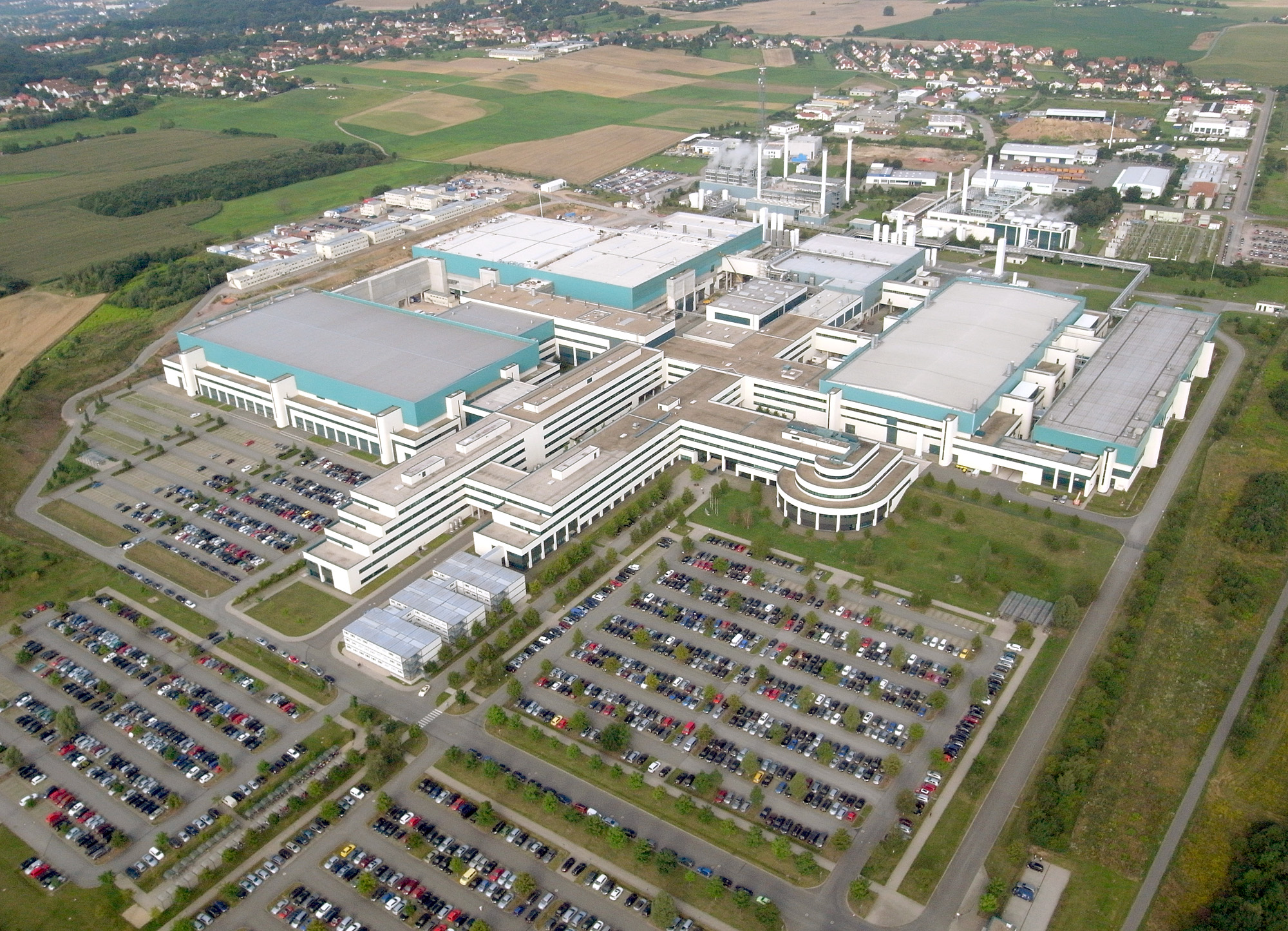
DRESDEN, Germany — GlobalFoundries marked two milestones on October 9: the topping-out of its €1.1 billion SPRINT fab expansion in Dresden, and the unveiling of FDX Fusion, a next-generation chip platform the company plans to develop and manufacture at the site for demanding Physical AI applications. The company’s announcement frames both as one project: European capacity for the chips the physical world will run on.
“Europe’s industrial base depends on chips that have to be available, trusted and built close to the customers who rely on them. SPRINT expands that capacity in Dresden while giving customers a path to the next generation of energy-efficient computing for Physical AI.”
— Tim Breen, CEO of GlobalFoundries
Under SPRINT, the company is investing €1.1 billion to expand manufacturing capacity at Dresden, with annual production expected to exceed one million 300mm wafers by the end of 2028 — which the company says would make Dresden Europe’s largest foundry site. The additional capacity will support GF’s differentiated technologies for automotive, aerospace, industrial IoT, and defense: markets, the company notes, increasingly shaped by Physical AI.
FDX Fusion: 7nm-class performance for the physical world
FDX Fusion is the next generation of GF’s fully depleted silicon-on-insulator (FD-SOI) technology. It targets 7-nanometer-class digital performance combined with analog, mixed-signal, embedded-memory, and high-performance RF capabilities — intended to enable energy-efficient processing, sensing, real-time control, and secure connectivity within a single technology.
The platform is designed for STAC workloads — Sense, Think, Act, Communicate — the shorthand for what chips inside robots, vehicles, and industrial systems must do. Independent technical coverage described it as the first process technology in Europe to deliver single-digit-nanometer digital performance optimized for the physical world, with manufacturing planned to begin in 2028 at more than twice the density of first-generation FDX.
One condition attaches: GF says development of FDX Fusion will proceed through the upcoming IPCEI Advanced Semiconductor Technologies program, subject to German federal government approval — so the roadmap’s start depends on a decision in Berlin, not just in Dresden.
Why Dresden matters
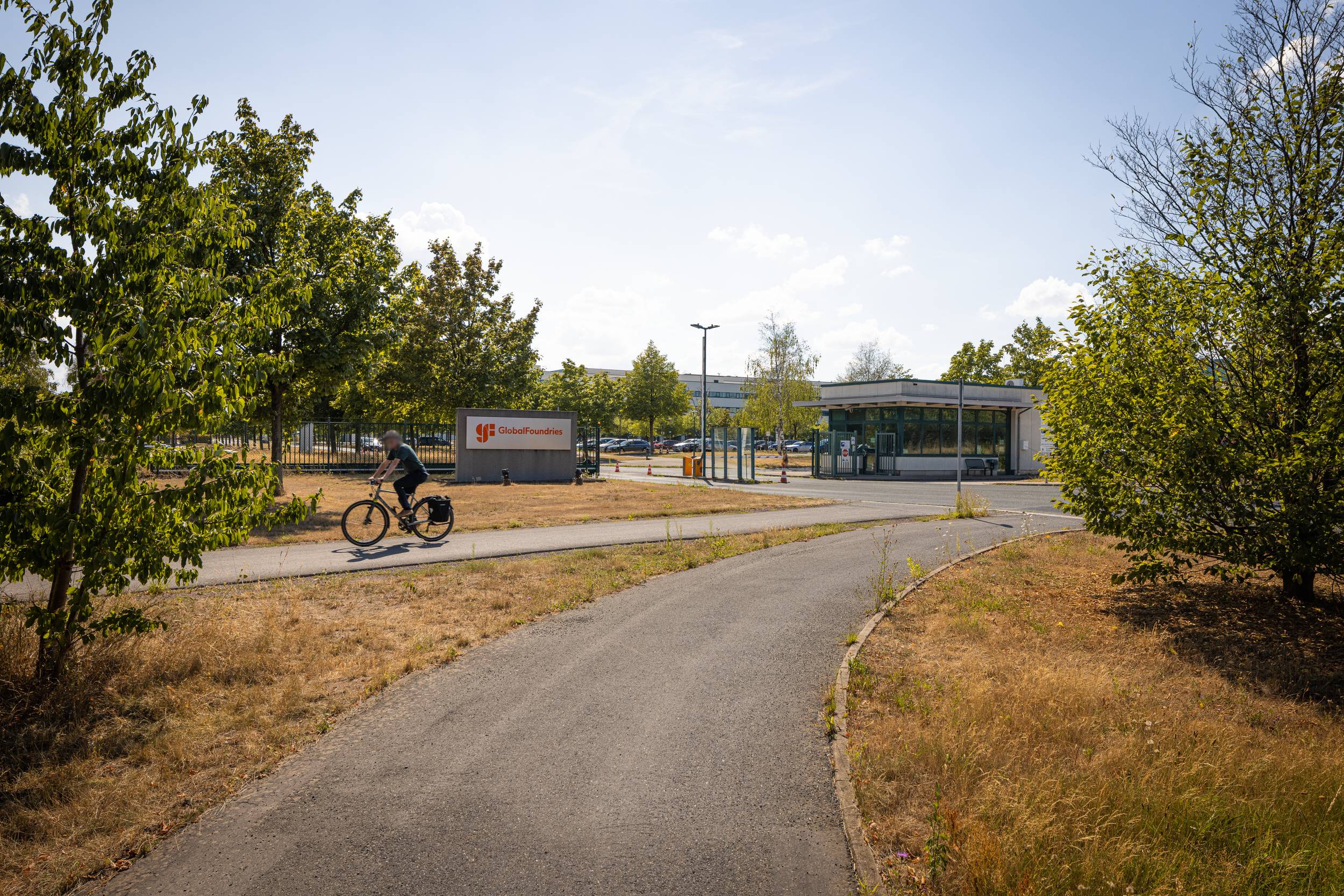
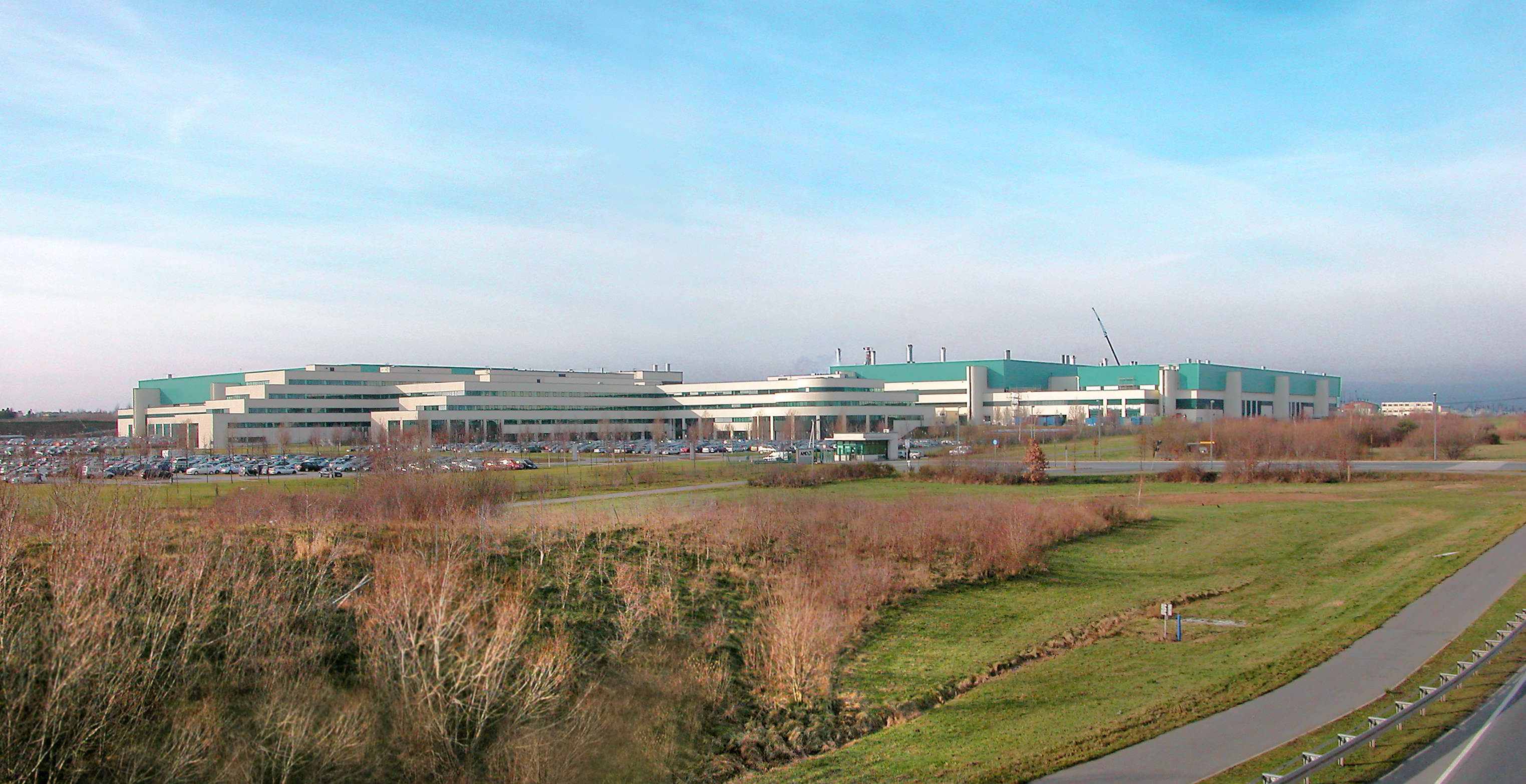
GF employs around 3,000 people in Dresden and operates roughly 60,000 square meters of cleanroom and laboratory space, with current annual capacity of up to 950,000 300mm wafers depending on product mix. Since 2009, the company says it has invested more than €10 billion in the site — one of the largest industrial investments in Germany.

The SPRINT project is supported by the European Union, the German federal government, and the Free State of Saxony under the European Chips Act, and the expansion will let GF offer Europe-only processes and data flows for customers with stringent security requirements, including critical infrastructure and aerospace.
Keep reading
More from the filing cabinet.
Innovation · News · North America · United States
Washington’s $350 Million Quantum Wager: From Blueprints to Hardware
DARPA advanced four more companies to the final stage of its Quantum Benchmarking Initiative, while the Pentagon lined up a conditional $150 million loan for PsiQuantum’s factory.
Features · Evergreen · Global · the idea, not a place
What “Disruptive” Actually Means
The word on our masthead has a precise definition — and most people use it wrong. A field guide to Clayton Christensen’s theory, thirty years on.
Technology · Evergreen · Global · the industry, not a place
Moore’s Law at Sixty: What Gordon Moore Actually Predicted
It wasn’t a law, it wasn’t about speed, and the doubling period changed. The most famous prediction in technology, read properly.