
DISRUPTIVE / FEATURES / EVERGREEN
FILE Nº 005
Features · Evergreen
What “Disruptive” Actually Means
The word on our masthead has a precise definition — and most people use it wrong. A field guide to Clayton Christensen’s theory, thirty years on.

Every publication should be able to defend the word on its masthead. Ours comes from Clayton Christensen, the Harvard Business School professor who gave “disruptive innovation” its precise meaning — a meaning the business world has spent three decades stretching out of shape.
Christensen introduced the theory in “Disruptive Technologies: Catching the Wave,” a 1995 article in the Harvard Business Review written with his HBS colleague Joseph Bower, and expanded it in his 1997 book The Innovator’s Dilemma.
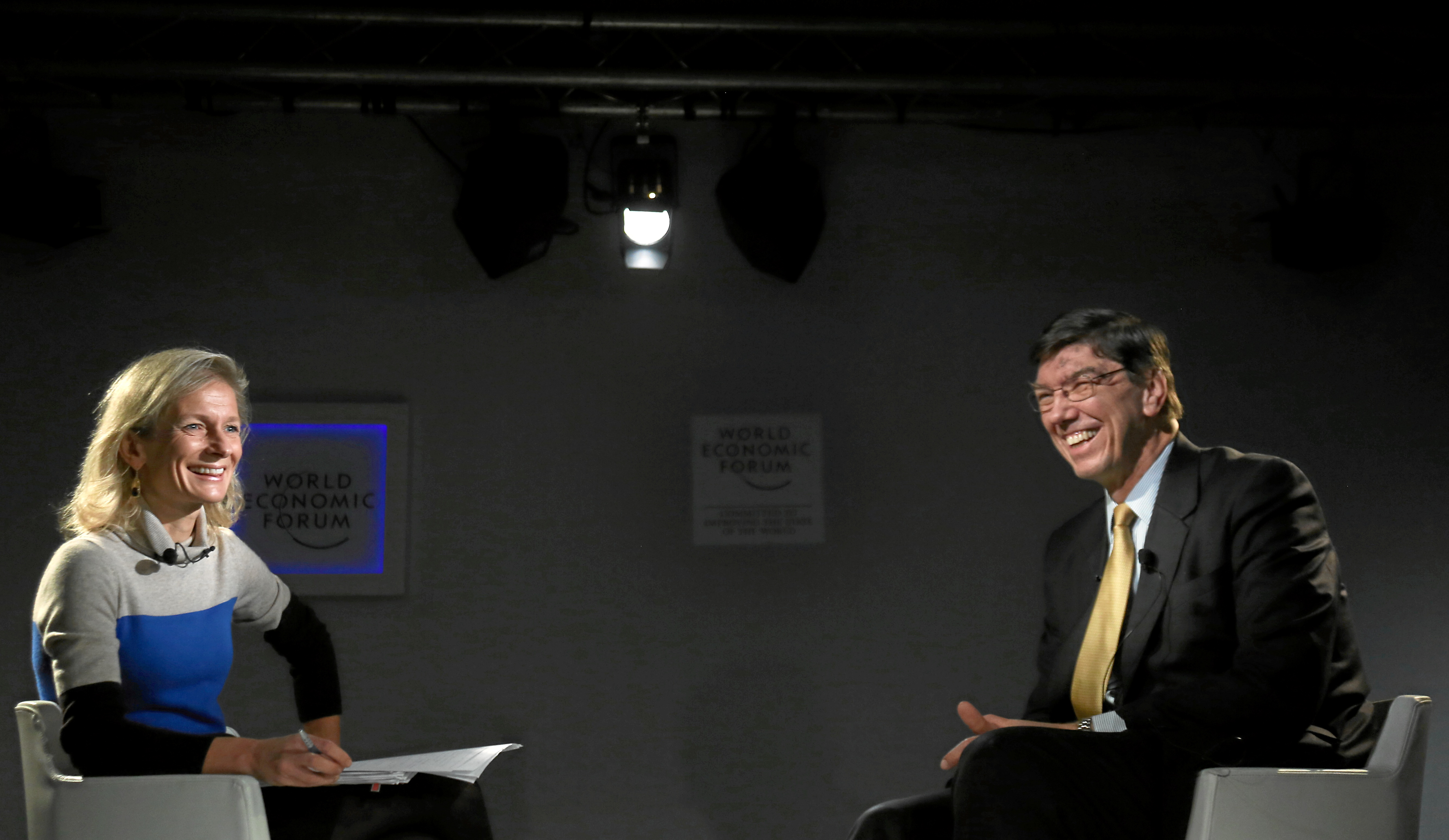
The theory describes a process, not an event: start-ups can displace incumbents not by beating them at their own game, but by serving overlooked customers with a different package of performance attributes — attributes existing customers don’t yet value — and then improving until they invade the established market.
“The technological changes that damage established companies are usually not radically new or difficult from a technological point of view.”
— Clayton Christensen, in the 1995 Harvard Business Review article

The correction
Twenty years later, Christensen felt compelled to take his own theory back. In “What Is Disruptive Innovation?,” published in the Harvard Business Review’s December 2015 issue with Michael Raynor and Rory McDonald, the authors wrote that disruption theory was “in danger of becoming a victim of its own success” — its core concepts “widely misunderstood and its basic tenets frequently misapplied.”

Their complaint was specific: “disruptive” had become a synonym for “ambitious” or “clever,” applied to any successful entrant. But in the theory, disruption unfolds over time, and not every challenger qualifies — however impressive the product.
How this magazine uses the word
We use “disruptive” the way Christensen defined it: for technologies and companies that change who can participate in an industry and how value is created — not as a synonym for “new” or “exciting.” When we call something disruptive, we are making a claim about a process, and we expect to be held to it.
Christensen died in January 2020 at the age of 67. Harvard Business Review later established the Clayton M. Christensen Prize for influential articles about innovation — a small sign of how far one precise idea can travel.
Keep reading
More from the filing cabinet.
Features · Retrospective · Global · five continents
2026’s Disruption Map, Continent by Continent
A tour of the technologies that actually moved this year: memory for machines in Asia, sovereign silicon in Europe, gigawatt-scale AI in the Gulf, quantum capital in America, and checkout data as infrastructure in Latin America.
Features · Retrospective · Global · the physical world
The Year Compute Went Physical
2026 was the year the chip industry stopped designing for the cloud and started building for the world of atoms — robots, factories, and machines that sense, think, act, and communicate.
Technology · Evergreen · Global · the adoption curve
The S-Curve: Why Technologies Arrive Slowly, Then All at Once
Every technology feels inevitable after the fact. The most useful model of how adoption actually unfolds is more than sixty years old — and still explains why the future arrives late, then early.