
DISRUPTIVE / BUSINESS / RETROSPECTIVE
FILE Nº 018
Business · Retrospective
Five Years After the Ever Given: Six Days That Taught Supply Chains Everything
In March 2021, a single ship blocked the Suez Canal for six days and held up $9.6 billion of trade a day. The world learned what its supply chains were really made of.
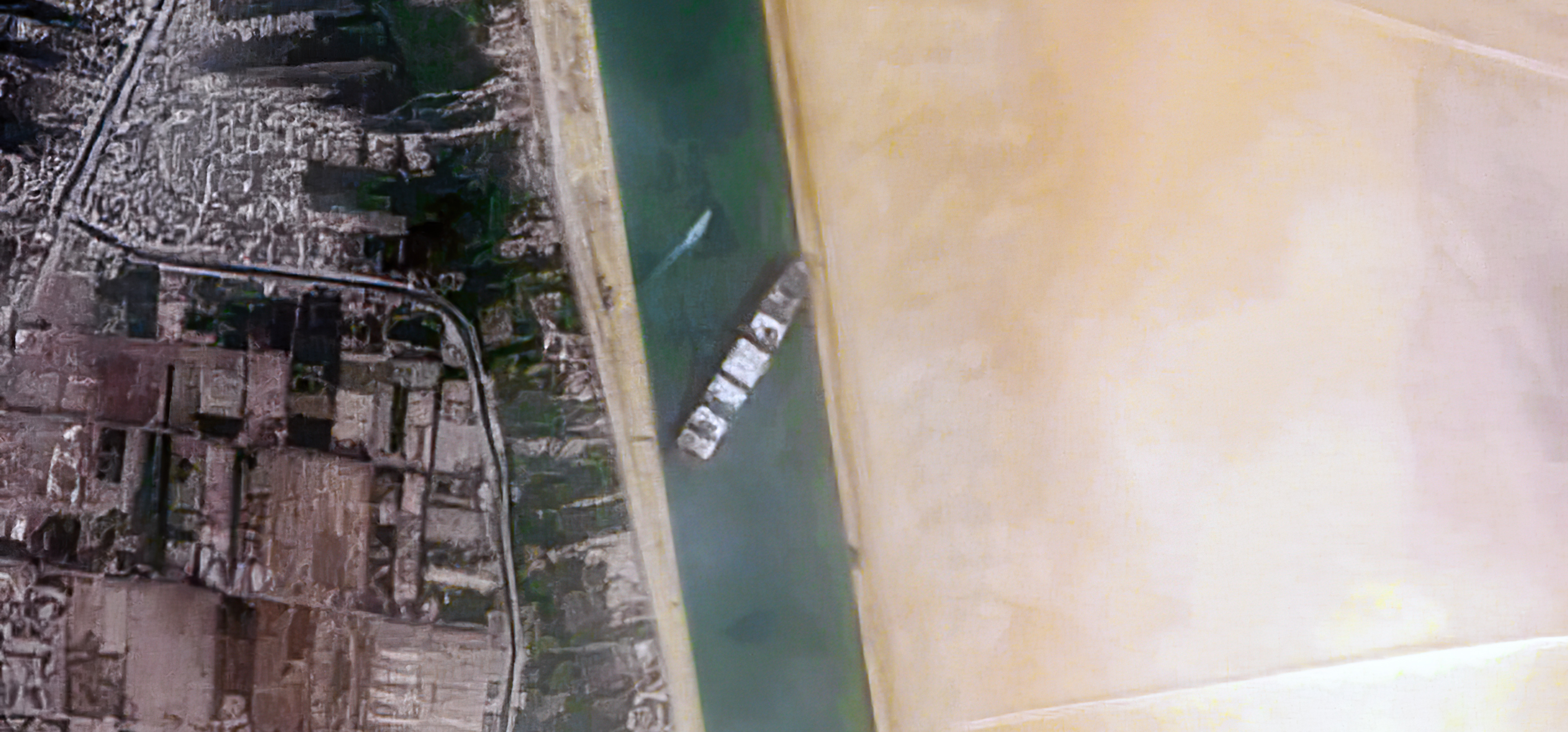
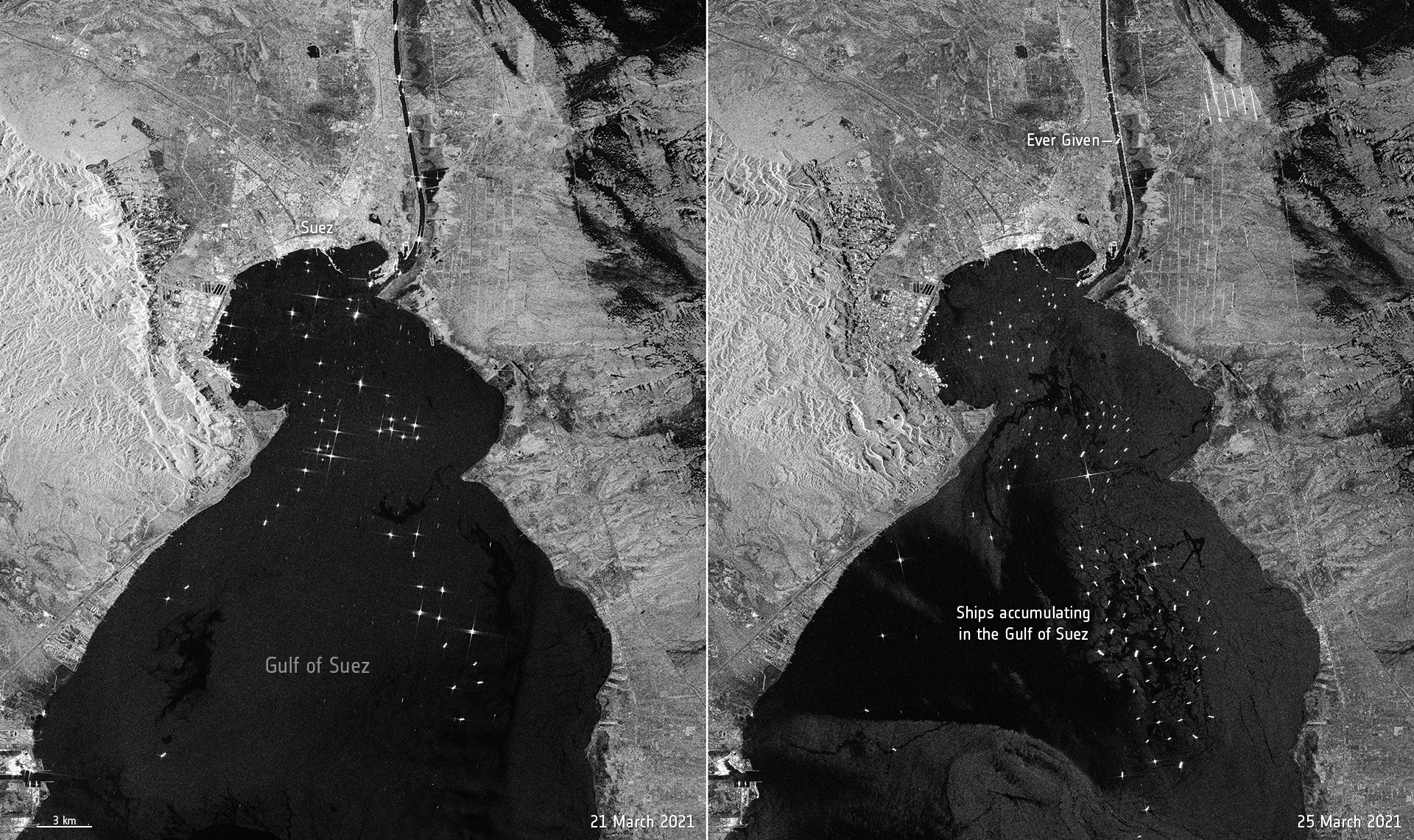
On the morning of March 23, 2021, the container ship Ever Given — 400 metres long, 224,000 tons, rated for 20,000 containers — ran aground in the Suez Canal and wedged herself across the waterway, bow on one bank and stern near the other. For six days, one of the world’s busiest trade routes simply stopped. By March 28, more than 369 ships were queued on either side, and an estimated $9.6 billion of goods a day was going nowhere.
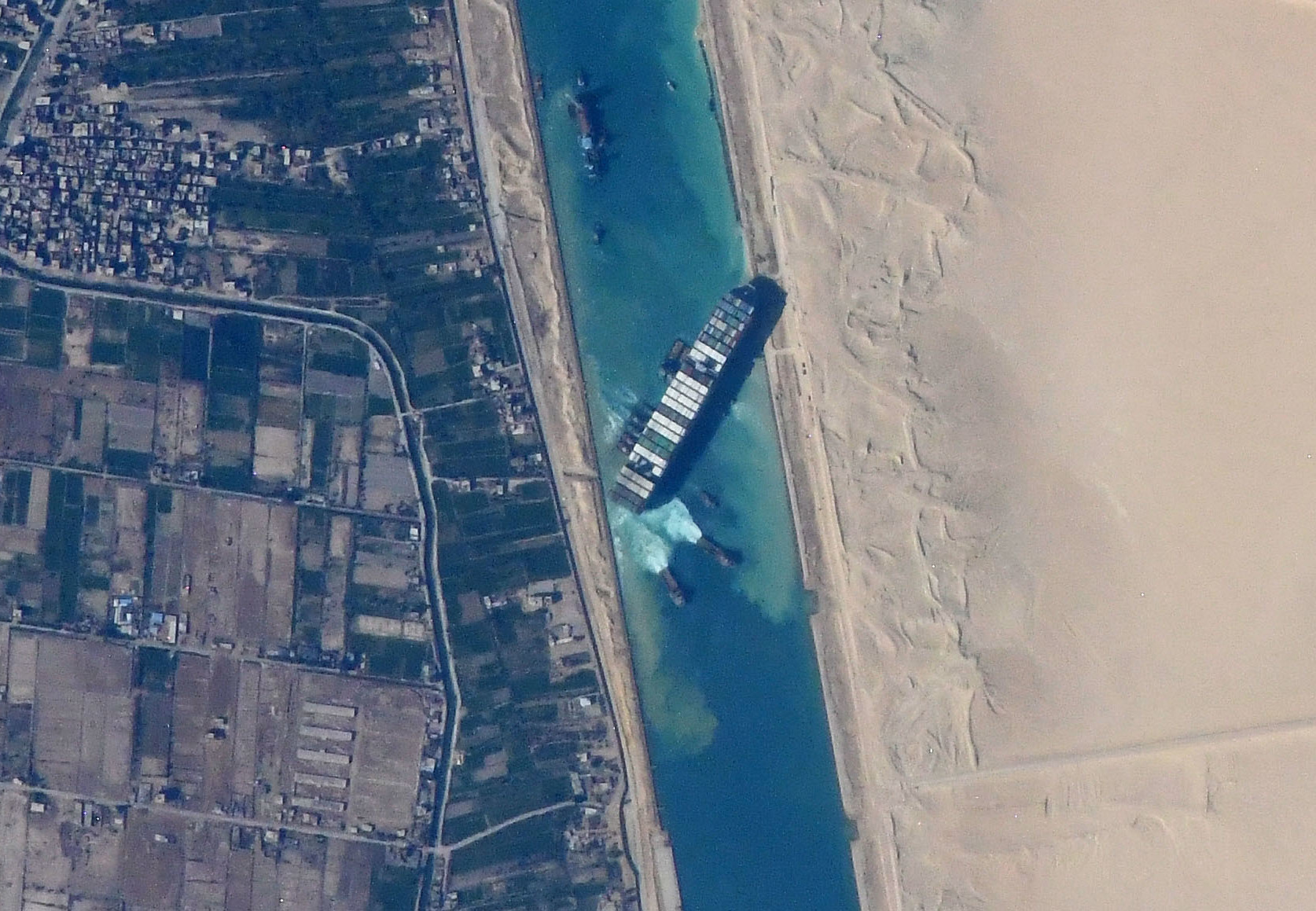
The refloating was a study in applied physics and patience. After days of dredging — some 30,000 cubic metres of sand — and tugging, the stern came free in the early hours of March 29; by 15:05 local time, fourteen Egyptian, Dutch, and Italian tugs had the ship fully afloat. She was towed to the Great Bitter Lake for inspection, and at 19:00 the canal reopened. No one was injured. The world’s supply chains exhaled.
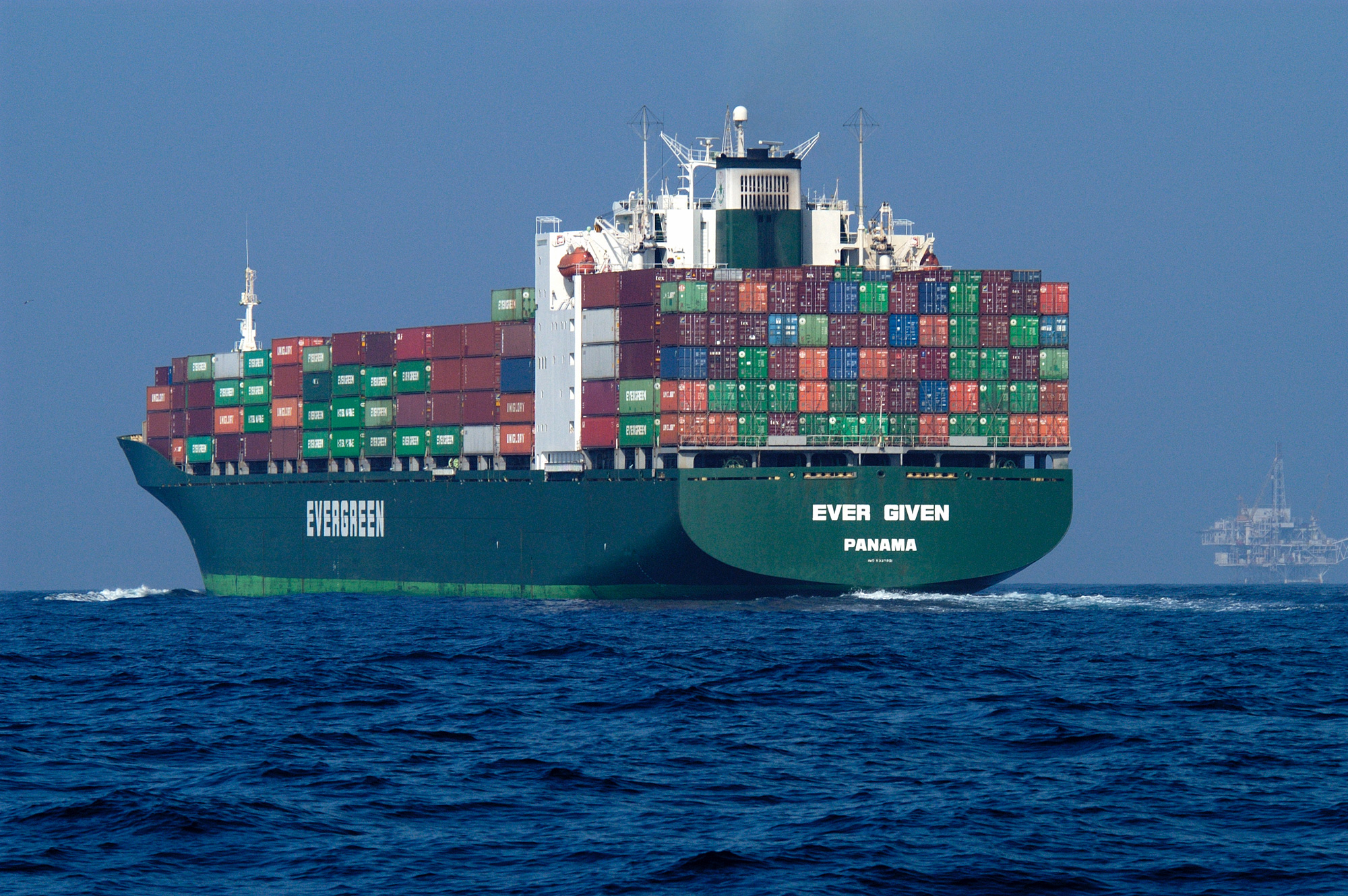
The aftermath was pure maritime law. Egypt impounded the vessel on April 13 after her owners and insurers balked at the compensation demand; in July, a $540 million settlement was reached with the Suez Canal Authority, and on July 7 the Ever Given set sail again for Rotterdam. Egypt announced it would widen the canal’s narrower stretches — the infrastructural equivalent of learning from the accident report.
What changed
Six days rewrote a decade of boardroom assumptions. Just-in-time — the doctrine that inventory is waste and the canal will always be open — was revealed as a bet on a world without wind. Companies that had optimized their supply chains for cost began optimizing for resilience: dual sourcing, buffer stocks, mapped dependencies, and a new executive vocabulary in which “resilience” stopped being a euphemism for inefficiency. The canal taught the global economy something the container had taught it seventy years earlier: the system is only as strong as its narrowest point, and the narrowest point is always narrower than you think.
The honest footnote
For all the lessons, the deeper truth is uncomfortable: the world kept building bigger ships for the same canal. Efficiency is a ratchet; resilience is a cost; and costs get cut the moment the memory fades. Five years on, the Ever Given is remembered as a meme — the tiny excavator against the giant hull. The meme was the most honest part. It showed the scale of the system, and the scale of the single point of failure holding it together.
Keep reading
More from the filing cabinet.
Innovation · Retrospective · Europe · Paris, France
The Paris Agreement at Ten: A Decade of the World’s Climate Constitution
Adopted in December 2015, in force since November 2016, the Paris Agreement rebuilt global climate diplomacy around pledges instead of punishments. Ten years on, the design is the story.
Technology · Retrospective · North America · Hanover, New Hampshire
Seventy Years After Dartmouth: The Summer That Named Artificial Intelligence
In the summer of 1956, a handful of scientists met at Dartmouth College and gave a field its name. Seventy years later, the name is on everything — and the conjecture is still open.
Business · Retrospective · North America · United States
AWS at Twenty: The Accidental Cloud That Ate the Industry
On March 14, 2006, Amazon launched a storage service. Nobody called it a revolution. Twenty years later, it is the infrastructure the internet runs on.