
DISRUPTIVE / TECHNOLOGY / RETROSPECTIVE
FILE Nº 021
Technology · Retrospective
Seventy Years After Dartmouth: The Summer That Named Artificial Intelligence
In the summer of 1956, a handful of scientists met at Dartmouth College and gave a field its name. Seventy years later, the name is on everything — and the conjecture is still open.
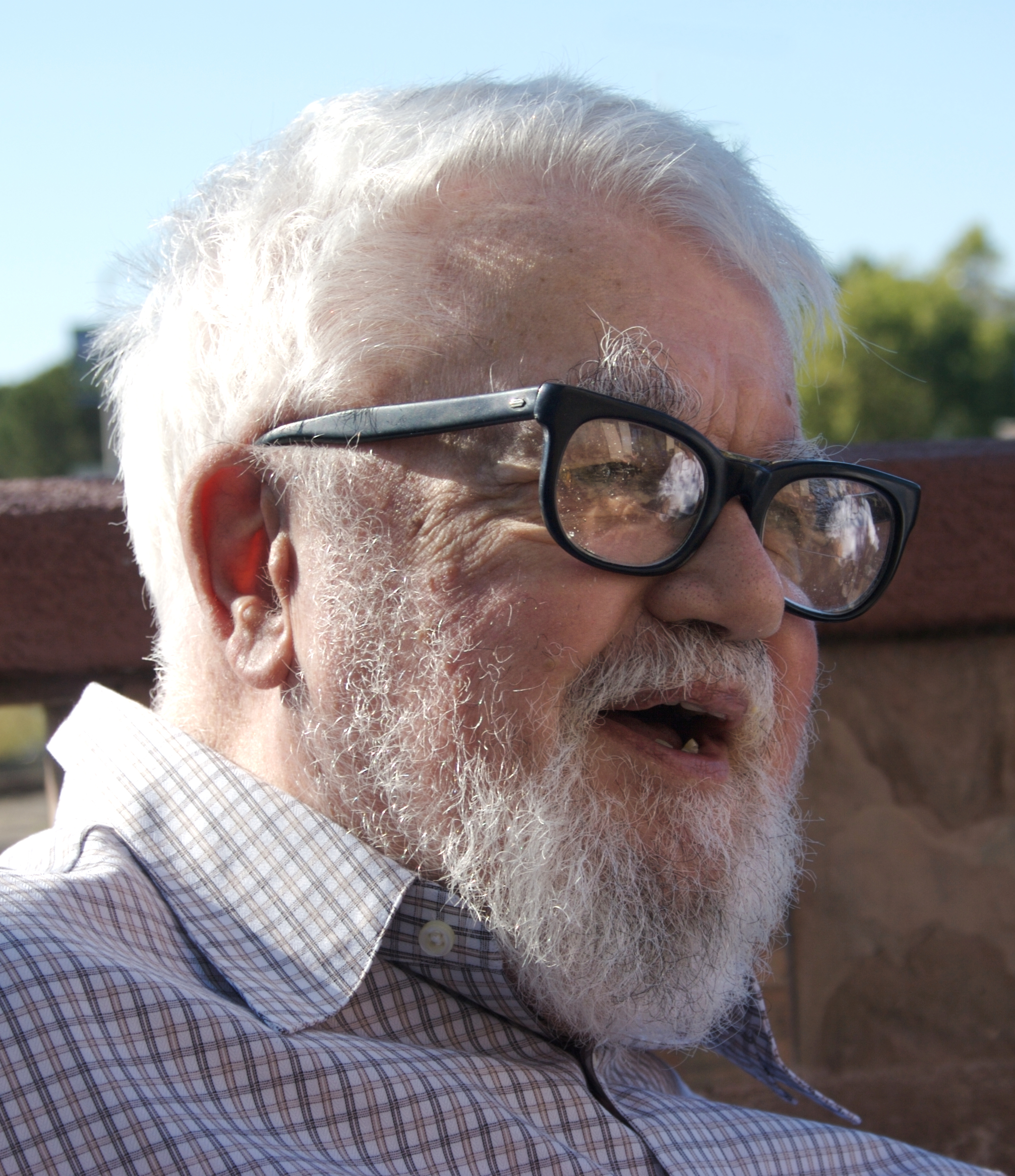
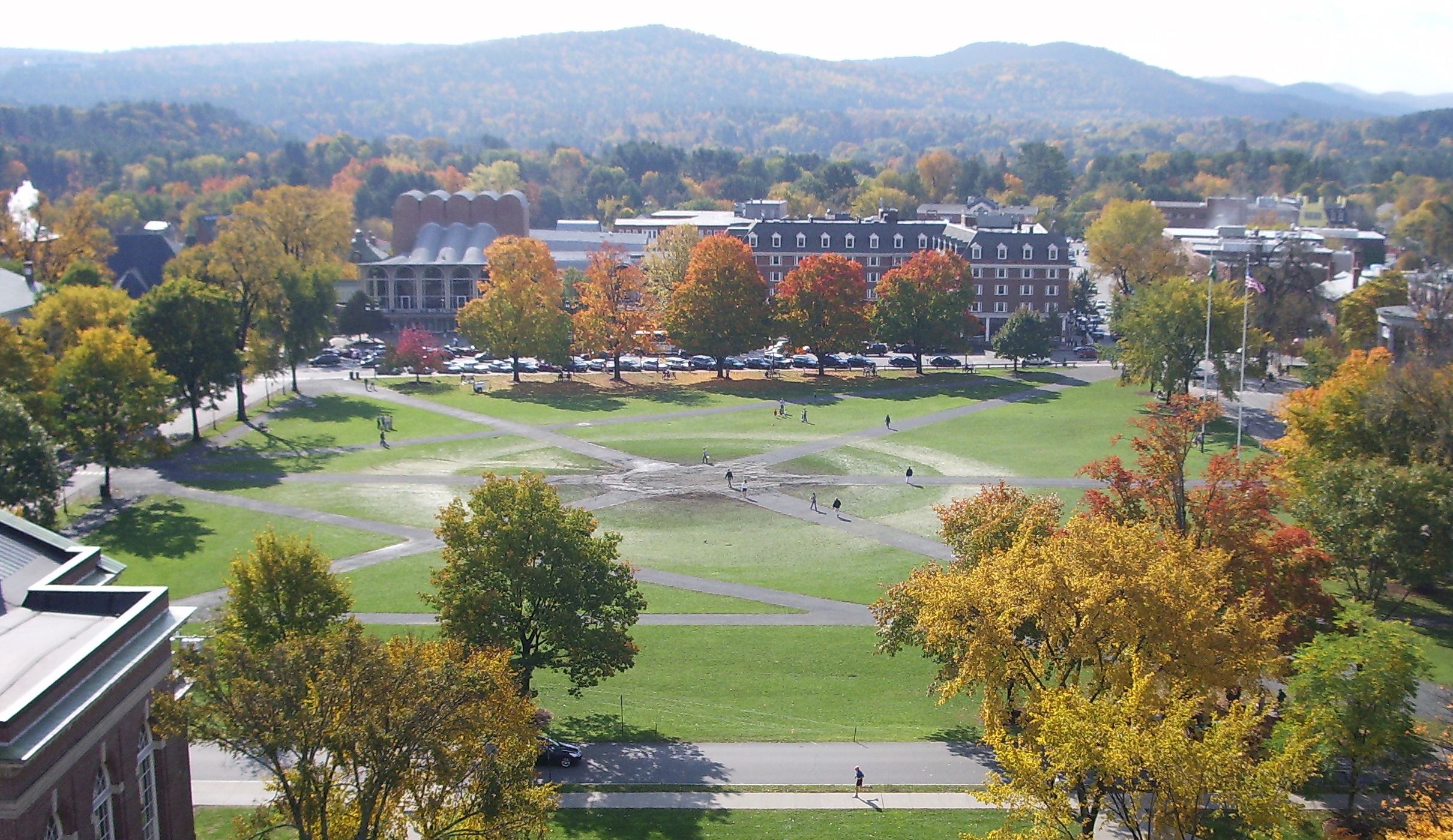
Seventy years ago this summer, the most consequential academic workshop in computing history convened at Dartmouth College in Hanover, New Hampshire — and almost nothing went according to plan. The Dartmouth Summer Research Project on Artificial Intelligence had been proposed on August 31, 1955, by John McCarthy, Marvin Minsky, Nathaniel Rochester, and Claude Shannon. Their proposal opened with a sentence that named a field: “We propose that a 2-month, 10-man study of artificial intelligence be carried out during the summer of 1956 at Dartmouth College in Hanover, New Hampshire.”
The proposal’s conjecture — that every aspect of learning or any other feature of intelligence could in principle be so precisely described that a machine could be made to simulate it — was breathtaking in its confidence. The organizers imagined that a carefully selected group of scientists, working together for a single summer, could make significant advances on machine language, abstraction, and self-improvement. The attendees drifted in and out; some planned participants never came; the grand synthesis didn’t happen.
What did happen was the naming. The proposal is credited with the first use of the term “artificial intelligence,” and the workshop is remembered as the founding event of AI as a research discipline. Within a few years, dedicated AI laboratories were forming, and the field had an identity, a community, and a shared conjecture to argue about.

Why the name mattered
Fields are made of names before they are made of results. “Artificial intelligence” gave a scattered set of researchers — working on logic, language, games, and machines — a single banner and a single bet. It also set the field’s ambition at the maximum from day one: not better calculators, but machines that simulate intelligence itself. Every subsequent AI winter and every subsequent boom has been an argument about that original conjecture, restaged with new hardware.

Seventy years on
The conjecture is still open. Seventy years after a summer workshop that mostly failed to do what it planned, the term it coined is on every product launch and every policy agenda on earth. McCarthy’s group thought the problem might yield to one summer of concentrated thought; it has instead absorbed the largest scientific and commercial effort in human history — and the question at its center, what intelligence is and whether a machine can simulate it, remains as alive as it was in Hanover. Some summers echo longer than others.
Keep reading
More from the filing cabinet.
Technology · News · Asia · Japan
Rapidus Builds Its 2nm Alliance: Seventeen Partners, One Missing Piece
Japan’s $15 billion chipmaker unveiled a 17-company design ecosystem this week. The partners are real. The customers are still the question.
Technology · News · North America · New York
GlobalFoundries Will Build TSMC's CoWoS Interposers in New York
A $2 billion agreement puts GlobalFoundries' Malta fab inside the AI supply chain's tightest bottleneck: the silicon interposers that stitch GPUs to memory in TSMC's CoWoS packages.
Business · News · North America · Massachusetts
Fusion's Supply Chain Just Got Real: CFS Orders 10,000 Kilometres of Superconducting Tape
Commonwealth Fusion Systems has placed the largest single purchase order of high-temperature superconducting tape on record — 10,000 km of it, from Japan's Fujikura, for its ARC power plants.