
DISRUPTIVE / BUSINESS / NEWS
FILE Nº 003
Business · News
Microsoft’s $10 Billion Gulf Framework: the AI Build-Out Goes Sovereign
Redmond’s decade-long commitment to the UAE, Saudi Arabia, Qatar, and Kuwait is about more than capacity — it is about who controls the region’s AI infrastructure.
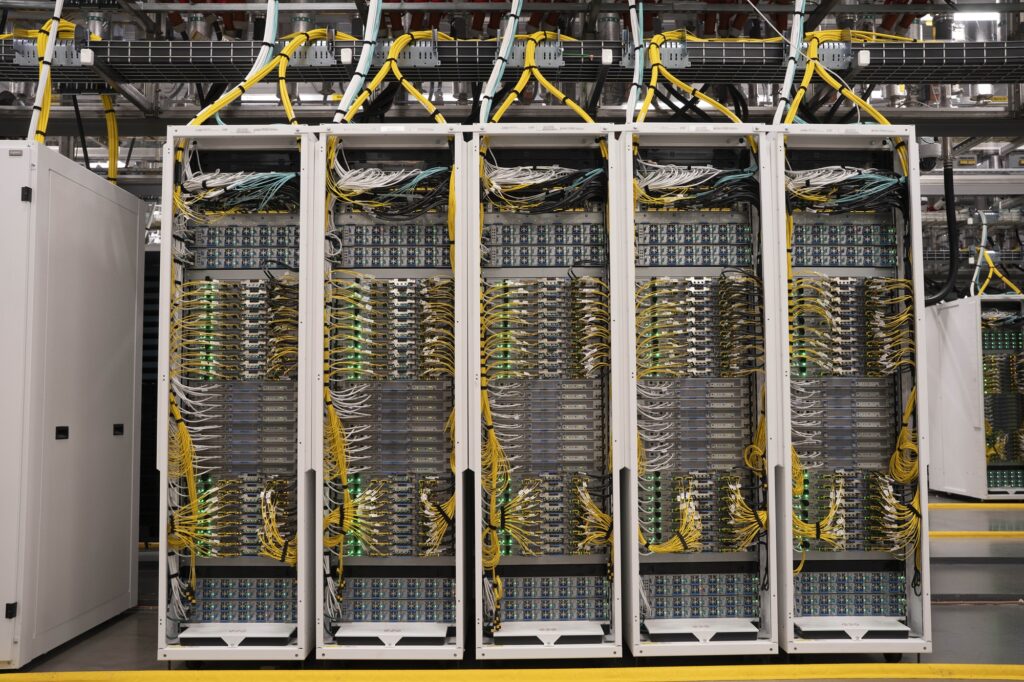
Microsoft plans to invest more than $10 billion across the United Arab Emirates, Saudi Arabia, Qatar, and Kuwait between now and 2030, covering cloud and AI infrastructure, network capacity, and operating expenditure. The commitment was unveiled on the sidelines of the United Nations General Assembly in New York, presented by vice-chair and president Brad Smith alongside Microsoft Middle East and Africa president Naim Yazbeck at a roundtable attended by senior government representatives from all four countries.
The framing Microsoft chose is resilience. The company is making digital resilience — the ability to keep cloud systems running through disruption — a central plank of its Gulf strategy, alongside cybersecurity and workforce development.
“We’re sustaining all the investments we planned to make before this conflict started, and we’re in fact adding to them ... It’s an aggressive spending schedule.”
— Brad Smith, vice-chair and president of Microsoft, to Reuters
Reuters reported that the resilience emphasis comes as conflict in the region has put infrastructure at risk, including data-center facilities. Microsoft declined to break down the planned investment by country or project, citing security.
Sovereign by design
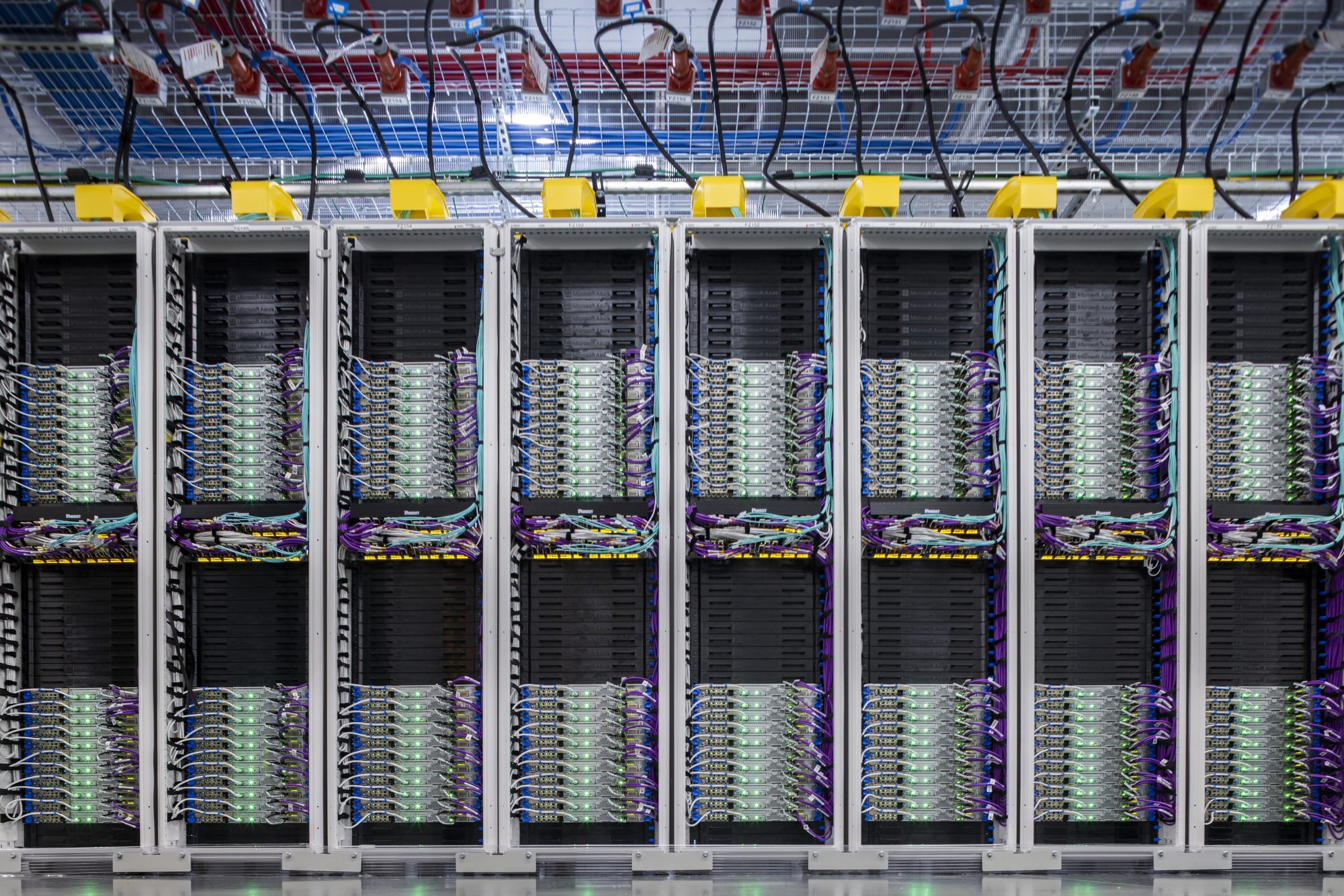
“Microsoft’s economic ties to the Middle East run deep, and our commitment to the region has always been, and will remain, steadfast. As AI reshapes economies around the world, the Middle East has an important opportunity to lead.”
— Brad Smith, vice-chair and president of Microsoft
The technology program deepens partnerships with national AI champions: Saudi Arabia’s Humain, the UAE’s G42, Qatar’s QAI, and the government of Kuwait. Microsoft invested $1.5 billion for a minority stake in G42 in 2024, giving it a board seat currently held by Smith; it says it does not plan capital investments in Humain or QAI themselves.
Eligible governments and organizations will get access to sovereign cloud offerings — Sovereign Public Cloud, Sovereign Private Cloud, and Project Digital Shield — aimed at keeping critical data and services under national control.
The gigawatt context
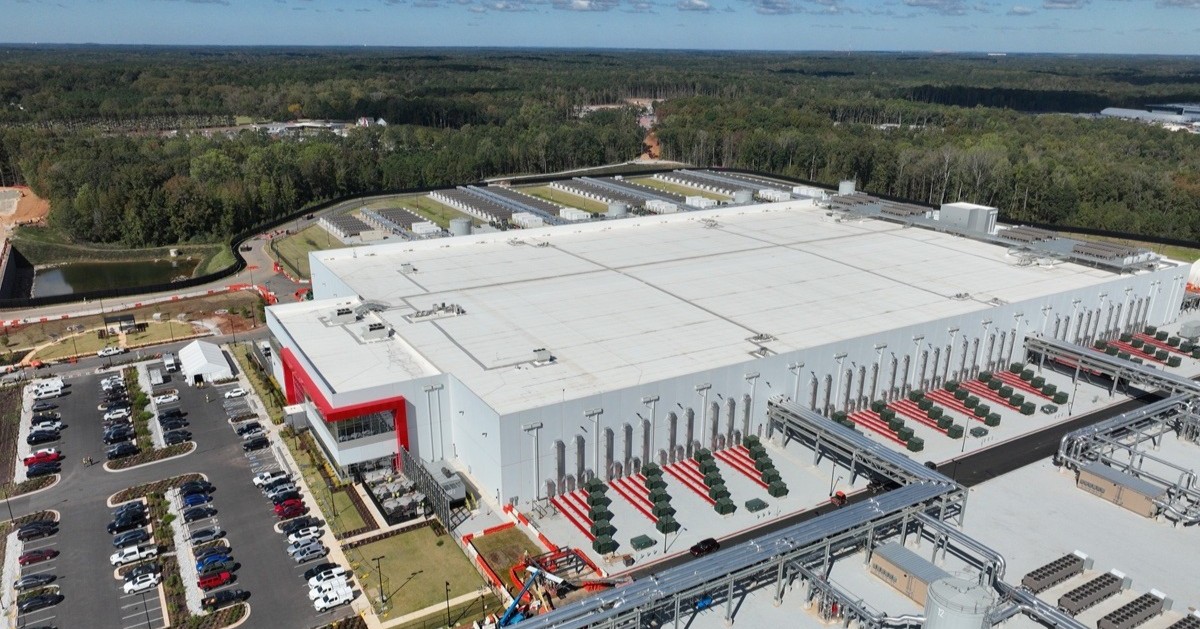
The framework lands as analysts map the region’s physical build-out. S&P Global said in a report in early October that the Middle East’s data-center capacity is set to triple by 2030, led by the UAE and Saudi Arabia, which it expects to add 2 to 3 gigawatts of IT power — more than 80 percent of the region’s share, though less than 2 percent of global additions over 2026–2030.
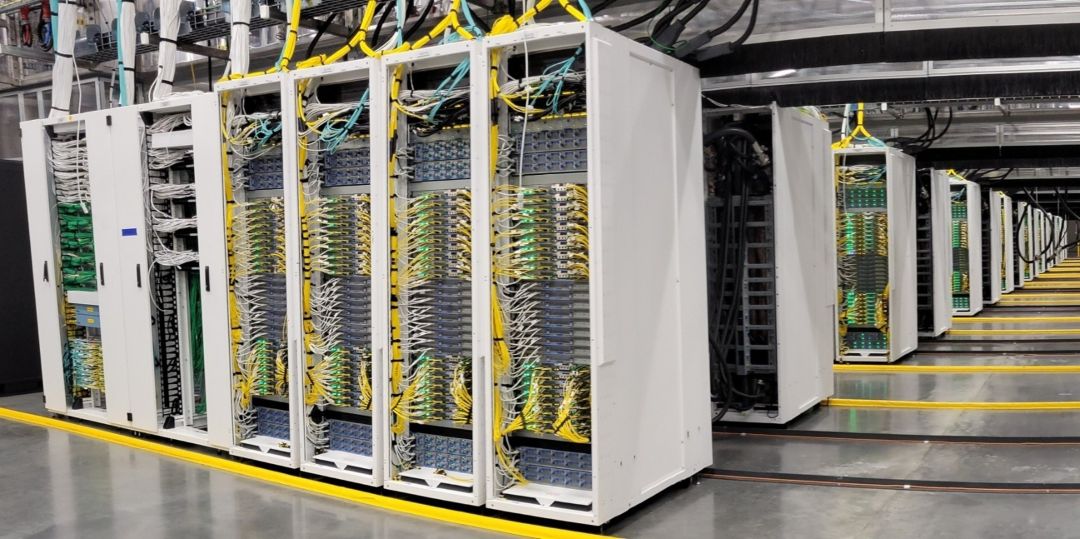
The pipeline includes the 5-gigawatt UAE–US AI Campus in the Emirates — developed through the Stargate UAE program — with the first gigawatt expected within three years, and Saudi projects developed by HUMAIN, the AI company backed by the Public Investment Fund, reaching up to 1.9 gigawatts by 2030 and 6 to 6.6 gigawatts by 2034.
Costs are competitive: 451 Research puts average data-center build costs at about $13 million per megawatt in Saudi Arabia and $11 million in the UAE for 2026–2030, against $12 million in Europe and $13 million in North America — which makes cheap, abundant energy the differentiator. That is exactly the bet Gulf states are making as they diversify their economies beyond oil and gas.
Microsoft’s talent pledge rounds out the framework: the company says it aims to help equip more than 4.2 million people across the four countries with AI-related skills by 2030.
Keep reading
More from the filing cabinet.
Features · Evergreen · Global · the idea, not a place
What “Disruptive” Actually Means
The word on our masthead has a precise definition — and most people use it wrong. A field guide to Clayton Christensen’s theory, thirty years on.
Technology · Evergreen · Global · the industry, not a place
Moore’s Law at Sixty: What Gordon Moore Actually Predicted
It wasn’t a law, it wasn’t about speed, and the doubling period changed. The most famous prediction in technology, read properly.
Features · Retrospective · Global · five continents
2026’s Disruption Map, Continent by Continent
A tour of the technologies that actually moved this year: memory for machines in Asia, sovereign silicon in Europe, gigawatt-scale AI in the Gulf, quantum capital in America, and checkout data as infrastructure in Latin America.