
DISRUPTIVE / BUSINESS / NEWS
FILE Nº 027
Business · News
Anduril's Ohio Mega-Factory Started Building Combat Drones Four Months Early
Arsenal-1, a five-million-square-foot bet on software-age weapons manufacturing, began Fury drone production in March — ahead of schedule, with almost no robots on the floor.
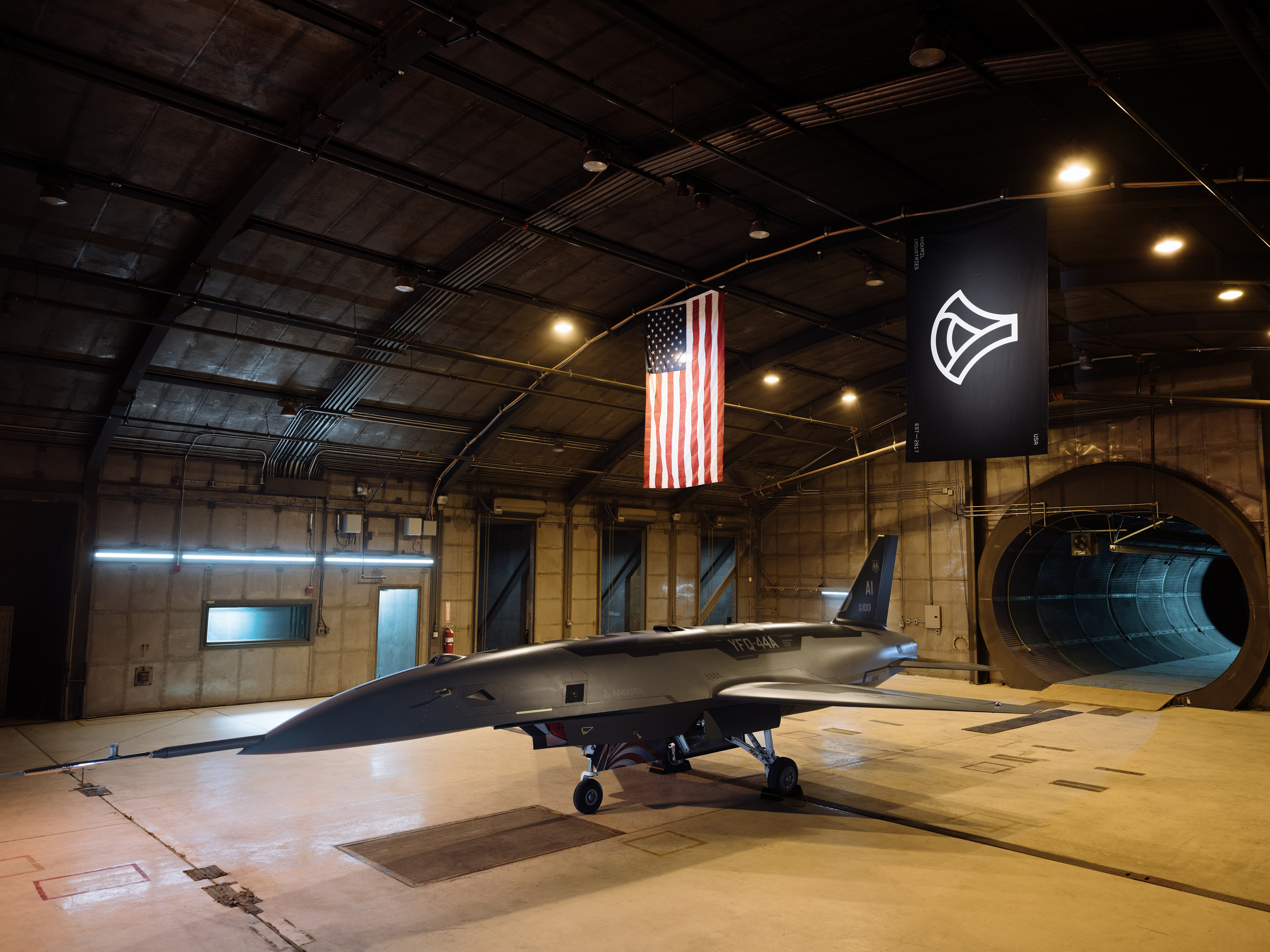
The floor went hot four months early. Anduril Industries began production of its YFQ-44A Fury drone at Arsenal-1 — its five-million-square-foot factory in Pickaway County, Ohio — in late March 2026, well ahead of the July 2026 target the company had publicly committed to. COO Matt Grimm called the project “ahead of schedule and under budget.”
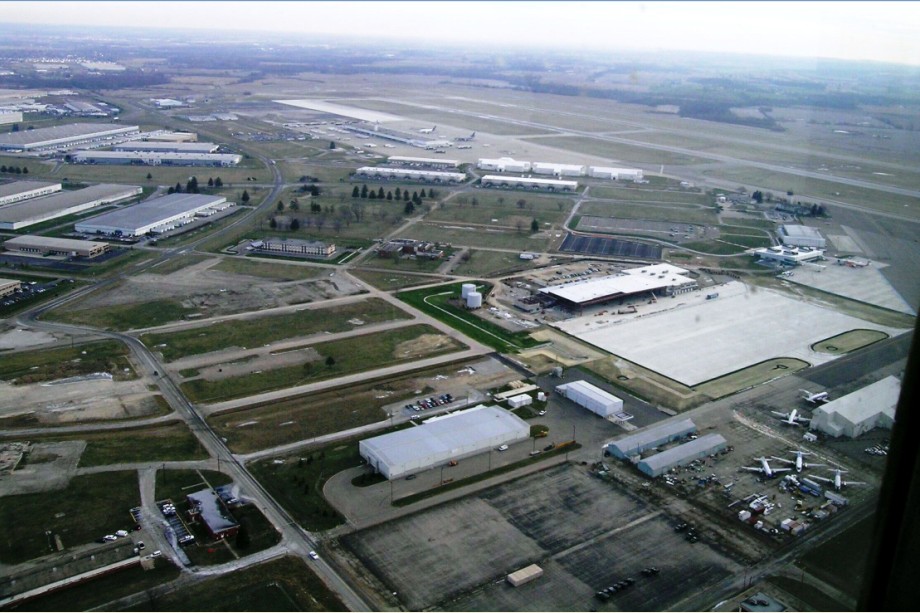
The scale is the strategy. Arsenal-1 covers some 500 acres near Rickenbacker International Airport, about 16 miles southeast of Columbus, in a deal built on a $310 million JobsOhio grant: 4,008 new jobs and more than $530 million in payroll over the deal's first decade, against at least $910.5 million in capital investment by Anduril — the largest single new-payroll project in Ohio history when Governor Mike DeWine announced it in January 2025.
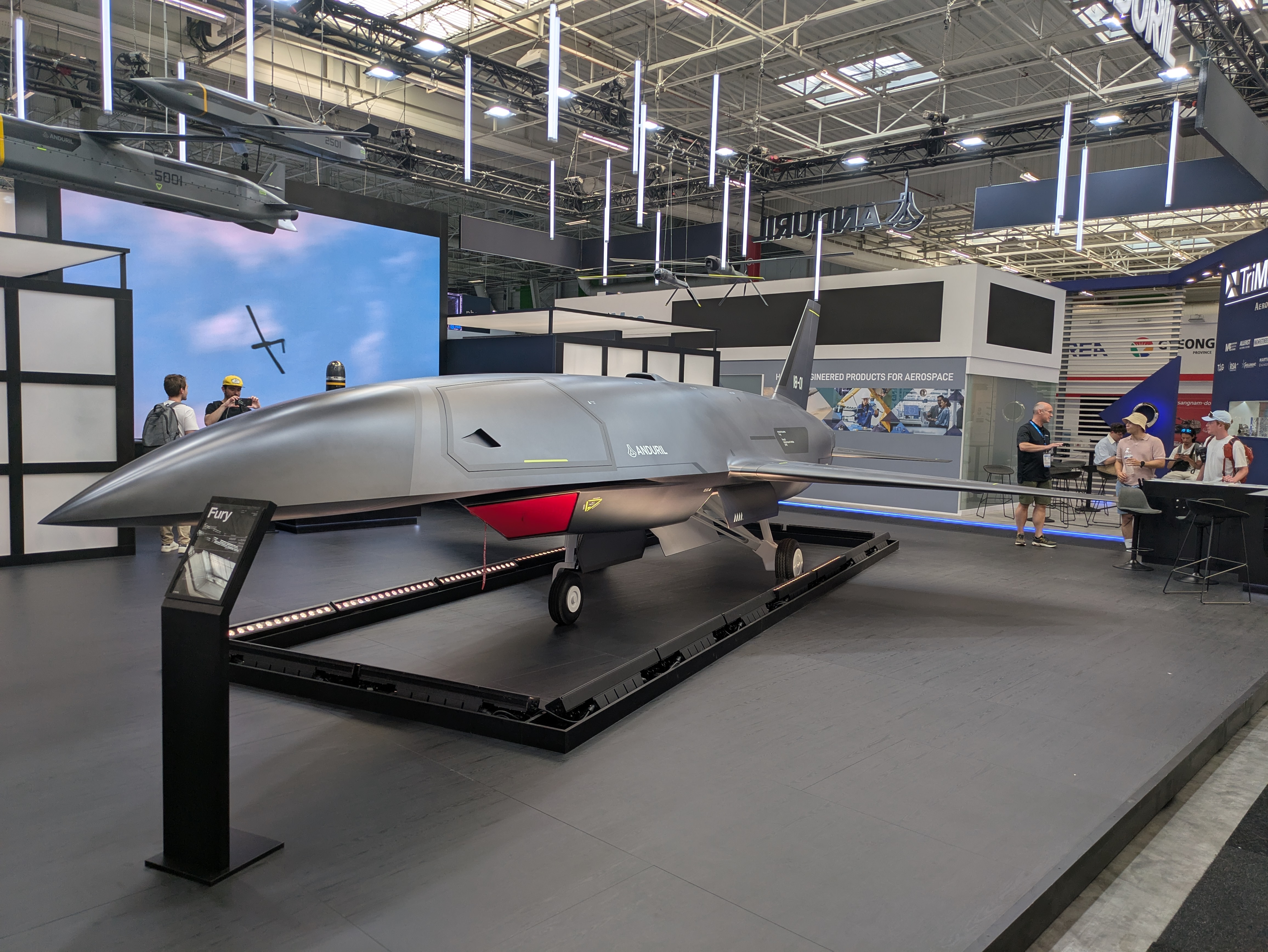
Inside, the surprise is what is missing. The Fury line runs through roughly 22 workstations — structure first, then hydraulics, fuel lines and avionics, landing gear at the halfway point, wings and engine after — and it is deliberately, almost defiantly, low-tech. Around 30 workers, trained at Anduril's California facilities, are building the first Ohio batches.
“You're not going to see complex equipment. You're not going to see a bunch of robotics.”
— Keith Flynn, Anduril's senior vice president of production
The reasoning is manufacturing heresy with a Silicon Valley logic: capacity that can be rearranged beats capacity that is optimized. Grimm describes factories designed “to have as few monuments as possible and to be as flexible as possible” — no giant gantry cranes, no fixed test rigs, everything movable, so the same floor can swing between products as orders change. The company says 94 percent of the Fury's roughly 5,000 line-item parts are commercially available, and the aircraft is powered by a commercial business-jet engine.
Capacity ahead of contracts
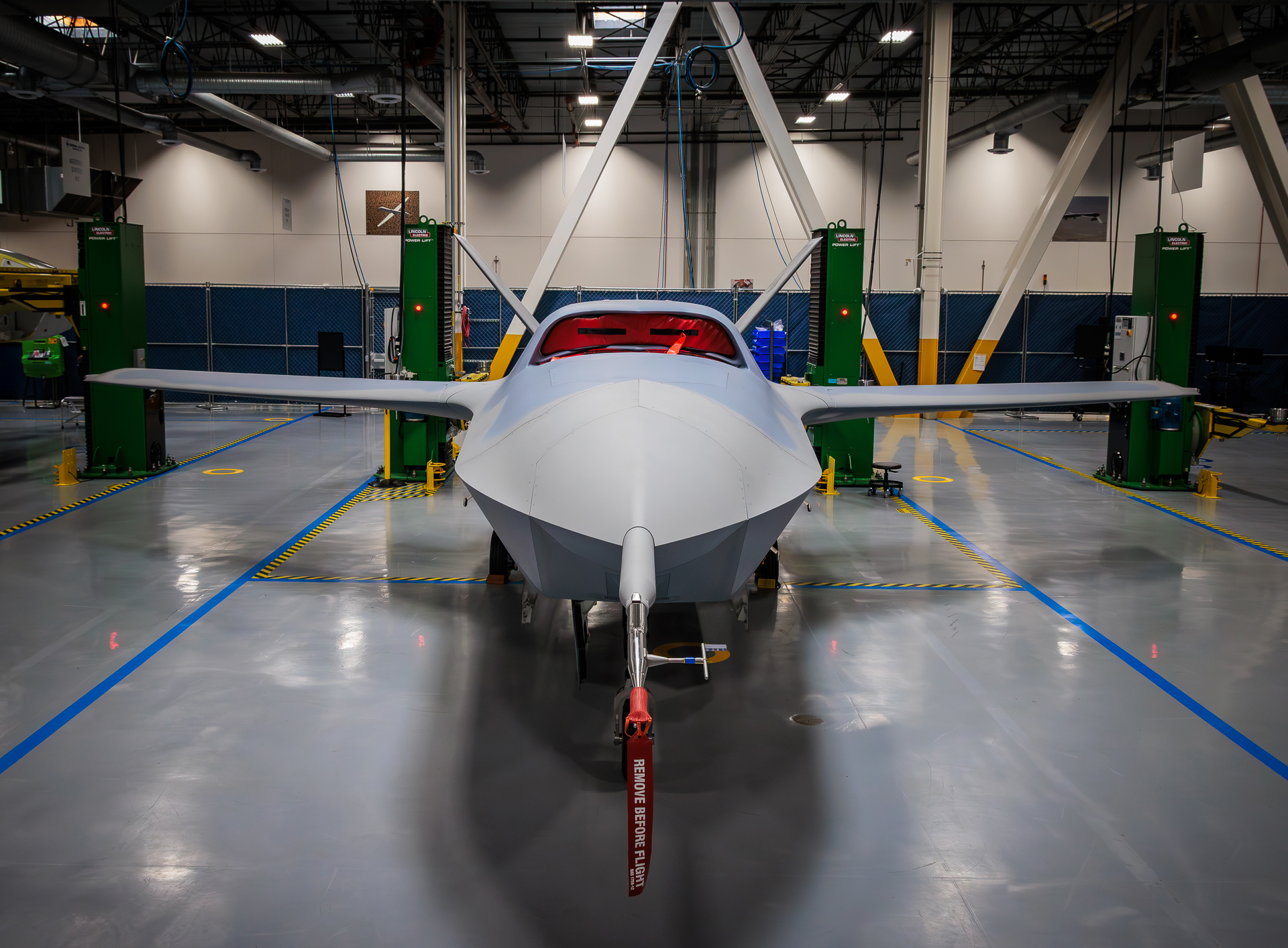
Anduril expects to employ about 250 people at Arsenal-1 by the end of 2026, on the way to 4,000 over the decade. Its initial goal is some 50 aircraft a year, expandable to 150 with additional shifts. The Fury is competing — alongside General Atomics' YFQ-42A — for the first increment of the Air Force's Collaborative Combat Aircraft program, and the same floor is slated to build the Roadrunner interceptor and Barracuda cruise missiles by the end of the year.
The disruption is the inversion of defense economics. The old model waited for a contract, then built a bespoke plant around a bespoke weapon, then defended the arrangement for forty years. Anduril is building hyperscale capacity ahead of orders, with commercial parts and a fungible floor — a consumer-electronics playbook pointed at the arsenal. Whether the Air Force buys at the volume the factory assumes is the open question. The factory, notably, is not waiting for the answer.
Keep reading
More from the filing cabinet.
Innovation · Evergreen · Global · orbit
The Military System That Became the World's Clock: How GPS Ate Everything
Built to guide weapons, opened to civilians after a tragedy, unleashed by a single policy decision in May 2000 — GPS is now load-bearing infrastructure for nearly every industry on Earth.
Innovation · Evergreen · Global · the battery
Three Scientists, One Battery: The Forty-Year Relay Behind Lithium-Ion
An oil company's lab, an Oxford professorship, and a Japanese chemical firm passed a single idea between them for two decades. In 2019 it won the Nobel Prize — and it now powers the world.
Business · News · Asia · South Korea
Humanoids Are Becoming the Memory Industry’s Next Growth Engine
Counterpoint Research expects DRAM demand from humanoid robots to rise more than twentyfold by 2030 — and Samsung and SK Hynix want the AI data-center playbook to repeat.